
Postoperative delirium is an emerging priority in perioperative care, particularly for older patients and those with complex conditions. Preventing it calls for a coordinated, hospital- wide approach, from preoperative screening to supportive recovery environments, backed by trained teams and clear protocols. Dräger supports this with anaesthesia workstations,integrated monitoring and Smart Pilot View solutions that inform clinical decisions,
within an ecosystem of education and lifecycle service. Guided by Technology for Life, Dräger helps hospitals make cognitive recovery a true measure of surgical success.
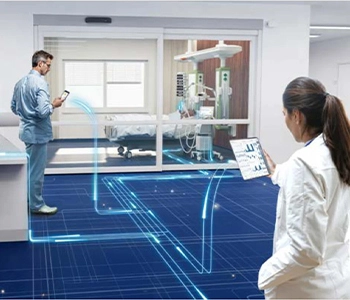
The success of surgery is traditionally assessed through clinical outcomes, procedural safety and recovery. However, an important dimension of patient recovery continues to demand greater attention – like cognitive health. Postoperative delirium characterised by an acute and often fluctuating disturbancein attention, awareness and cognition, remains a significant challenge in perioperative care, particularly among older patients and those with complex medical conditions.
As healthcare systems expand surgical capacity,addressing delirium must become an integral part of the broader conversation on patient safety, quality of care and hospital performance.
An Emerging Priority in Perioperative Care
Ageing populations, rising surgical volumes and the growing complexity of procedures are increasing the importance of effective perioperative management. Healthcare providers are investing in advanced operating rooms, critical care facilities and specialised clinical capabilities. The next priority is ensuring that these investments translate into consistently better patient outcomes.
Postoperative delirium is associated with longer hospital stays, increased care requirements and possible loss of functional independence. Its causes are multifactorial, involving patient vulnerability, underlying llness, surgical stress, medication exposure, pain and environmental factors.
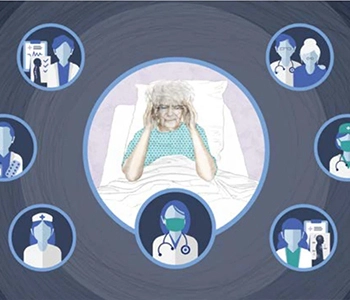
Preventing delirium therefore requires a coordinated clinical approach rather than reliance on an isolated intervention. Identifying at-risk patients, maintaining physiological stability, applying appropriate anaesthesia practices and establishing consistent postoperative assessment protocols are important components of this approach.
The Role of Anaesthesia and Monitoring
Anaesthesia management is a critical component of perioperative care. Clinicians must balance adequate anaesthesia and analgesia with individual patient requirements, while maintaining appropriate physiological parameters throughout surgery.
Dräger’s anaesthesia workstations support controlled anaesthetic delivery and ventilation, while integrated patient monitoring provides clinicians with important information to guide their decisions. Our Smart Pilot View digital solutions offer real-time insights into anaesthetic effects and support individualised management. These technologies form part of clinical decision-making; however, they do not independently predict or prevent every episode of delirium.
The objective is to equip clinical teams with reliable technology that supports informed decisions, consistent practices and safe anaesthesia management.
Building an Integrated Approach to Clinical Excellence
Delirium prevention cannot begin and end with anaesthesia. It requires a hospital wide approach that connects preoperative assessment, intraoperative management, postoperative recovery and care.
Preoperative evaluation is crucial for identifying risk factors and establishing a cognitive baseline. Structured screening and timely clinical assessment support early recognition—even in cases without obvious agitation. In addition, the physical environment plays a significant role in recovery. Appropriate lighting, reduced noise levels, sleep-supportive routines, clear orientation and well-coordinated workflows can help create more supportive clinical environments.Depending on individual needs, measures such as maintaining hydration and nutrition, supporting mobility and managing pain appropriately form part of a comprehensive prevention strategy.
These also highlight the importance of designing hospital infrastructure around clinical workflows and patient needs, rather than treating medical equipment,workplace systems and care environments as independent investments. And for healthcare providers, the challenge is to translate clinical knowledge into consistent practice. This calls for collaboration across disciplines, appropriate staff education, clearly defined protocols and reliable access to medical technology and technical support.
At Dräger, our approach is grounded in the understanding that medical technology delivers its greatest value when it operates within an integrated clinical ecosystem. Anaesthesia systems, patient monitoring, hospital infrastructure, clinical education and lifecycle service all contribute to the conditions in which healthcare professionals deliver care.
The underlying objective remains consistent: support healthcare teams with dependable technology, appropriate training and coordinated systems that enable safer, more effective care.
A Broader Measure of Surgical Success
Delirium prevention is not the responsibility of one department or the function of one device. It requires clinical leadership, multidisciplinary collaboration and hospital systems that recognise cognitive recovery as an essential component of patient care. As healthcare systems continue to modernise, the opportunity is to move beyond measuring progress solely through procedural capability and infrastructure expansion. Greater emphasis must be placed on how effectively hospitals protect patients throughout the perioperative journey.
At Dräger, our commitment to Technology for Life extends beyond providing medical equipment. It is about supporting the clinical environments, workflows and capabilities that help healthcare professionals deliver high-quality care.
Ultimately, the measure of progress is not simply whether a procedure is completed successfully, but whether the patient receives the support needed for the best possible recovery. Making delirium prevention. a more visible and structured priority is an important step towards that goal.