
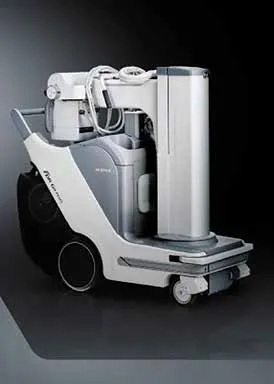
Digital Radiography (DR) has seen remarkable progress in recent years, fueled by continuous technological advancements and the changing demands of healthcare. These innovations are revolutionizing medical imaging by enhancing diagnostic precision, improving patient outcomes, and optimizing workflow efficiency. This article explores the top ten emerging trends in digital radiography, offering an in-depth look at the latest developments and their future impact on medical imaging.
Optimization of Radiation Dose and Safety
Dose optimization and radiation safety remain paramount concerns in digital radiography. The goal is to minimize patient exposure to radiation without compromising image quality. Manufacturers are developing advanced dose reduction techniques, dose monitoring tools, and image processing algorithms to address these concerns.
Innovative dose modulation algorithms adjust the radiation dose based on the specific imaging requirements and patient characteristics. These algorithms ensure that the lowest possible dose is used while maintaining diagnostic image quality. Advanced image processing techniques, such as adaptive statistical iterative reconstruction, further enhance image quality by reducing noise and improving contrast.
Advanced systems include dose reduction technologies and dose monitoring tools, ensuring optimal radiation safety while maintaining high image quality.
Adoption of Wireless and Portable Systems
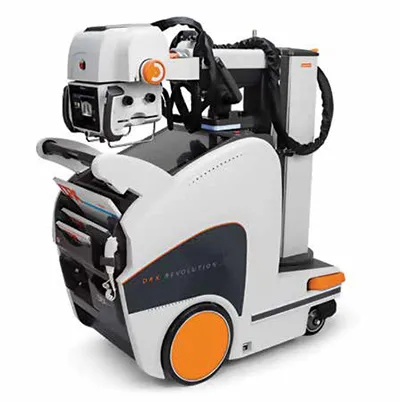
The demand for wireless and portable DR systems has been on the rise, particularly in point-of-care settings, mobile imaging units, and emergency departments. These systems offer unparalleled flexibility, convenience, and faster image acquisition times, which are essential for improving workflow efficiency and patient care.
Wireless and portable DR systems eliminate the need for cumbersome cables, allowing for easier maneuverability and faster setup times. This is particularly beneficial in emergency and critical care settings, where rapid and accurate imaging is crucial. Another notable development is the dual-energy mobile X-ray systems, which integrate advanced detector technology to enable simultaneous acquisition of conventional and dual-energy images with a single exposure. This capability not only improves diagnostic accuracy but also reduces patient radiation dose and enhances workflow efficiency. Moreover, the integration of these enhanced detector technologies into wireless systems further amplifies their utility and cost-effectiveness in medical settings. Wireless detectors are designed to be compatible with both main radiography units and mobile x-ray machines, enabling seamless interchangeability across different imaging modalities within healthcare facilities.
1. Increased Interchangeability: The ability of wireless detectors to be used interchangeably between main radiography units and mobile x-ray machines streamlines workflow efficiency. Healthcare providers can utilize the same detector across various settings, reducing the need for multiple specialized devices and optimizing resource allocation.
2. Cost-Effectiveness: By eliminating the requirement for dedicated detectors for each type of imaging equipment, healthcare facilities can achieve significant cost savings. Wireless detectors reduce equipment procurement costs and maintenance expenses associated with managing multiple devices. Additionally, they enhance operational flexibility by allowing for rapid deployment in different clinical scenarios without logistical constraints.
Enhanced Detector Technology
One of the most notable advancements in digital radiography is the continuous improvement of detector technology. Both direct and indirect conversion detectors have seen significant enhancements in resolution, sensitivity, and dynamic range. These improvements are crucial for producing higher quality images at lower radiation doses, thereby reducing patient exposure while maintaining diagnostic accuracy.
Direct conversion detectors, which convert X-rays directly into electrical signals, have benefited from materials such as amorphous selenium and cadmium telluride. These materials offer higher spatial resolution and sensitivity compared to traditional scintillator-based detectors. On the other hand, indirect conversion detectors, which use a scintillator to convert X-rays into light before converting the light into electrical signals, have seen advancements in scintillator materials and photodiode arrays, enhancing their efficiency and image quality.
Continuous improvements in detector technology enhance resolution, sensitivity, and dynamic range, crucial for reducing radiation doses while maintaining diagnostic accuracy. The integration of advanced image processing algorithms and software solutions further complements these hardware improvements. Manufacturers are developing compact, high-resolution detectors that improve image quality and enhance workflow efficiency. For instance, the use of iterative reconstruction techniques and machine learning algorithms can enhance image quality by reducing noise and artifacts, allowing for better visualization of anatomical structures.
Remote Imaging and Telemedicine
The expansion of telemedicine and remote healthcare services has highlighted the importance of remote monitoring and telediagnosis in digital radiography. Remote access to DR images enables radiologists to provide timely interpretations and recommendations, particularly in underserved or remote areas.
Remote monitoring solutions allow healthcare providers to track patients’ imaging data in real-time, facilitating early detection of changes in their condition and timely intervention. These solutions are particularly valuable for managing chronic diseases and monitoring post-operative recovery, where regular imaging is required.
Telediagnosis leverages digital radiography to extend the reach of radiology services to remote and underserved regions. By enabling radiologists to review and interpret images remotely, telediagnosis improves access to specialized care and reduces the need for patients to travel long distances for imaging services. This capability is essential for addressing healthcare disparities and improving outcomes in rural and low-resource settings.
Artificial Intelligence Integration
Artificial Intelligence (AI) is revolutionizing the field of digital radiography by providing advanced tools for image reconstruction, noise reduction, artifact correction, and automated analysis. AI algorithms can assist radiologists in improving diagnostic accuracy, streamlining workflows, and enhancing overall efficiency.
AI integration in DR systems can significantly reduce the time required for image interpretation and improve diagnostic confidence. For example, AI-powered image reconstruction algorithms can produce high-quality images from low-dose scans, reducing patient exposure to radiation. AI-based noise reduction techniques can enhance image clarity, making it easier to detect subtle abnormalities.
AI also plays a crucial role in automated analysis and decision support. AI algorithms can detect and highlight potential abnormalities, such as fractures, tumors, or pulmonary nodules, providing radiologists with a second opinion and reducing the risk of missed diagnoses. Some systems integrate AI for automated positioning and image quality enhancements, thereby reducing patient setup time and improving diagnostic accuracy.
Artificial intelligence (AI) also continues to drive innovations in digital radiography, particularly in image analysis. AI algorithms are now capable of analyzing images for patterns, anomalies, and specific diagnostic criteria with high accuracy. This capability aids radiologists in making faster and more precise diagnoses, leading to improved patient outcomes.
Streamlined Workflow Integration
Seamless integration of DR systems into the broader healthcare IT ecosystem is crucial for improving workflow efficiency and enhancing communication among healthcare providers. Integration with EMR and PACS systems allows for the automatic transfer of imaging data, reducing the need for manual data entry and minimizing the risk of errors.
Enhanced workflow integration also supports the implementation of advanced imaging protocols and standardized practices. By integrating DR systems with clinical decision support tools, healthcare providers can ensure that imaging procedures are performed consistently and according to best practices. This integration facilitates the use of automated protocols for image acquisition, processing, and interpretation, improving overall efficiency and diagnostic accuracy.
The integration of DR systems with hospital information systems (HIS) and radiology information systems (RIS) further enhances workflow efficiency. It enables the automatic scheduling of imaging procedures, real-time tracking of imaging orders, and streamlined reporting of results. These capabilities are essential for optimizing the utilization of imaging resources and ensuring timely delivery of care.
Market Expansion and Economic Factors
The global digital radiography market has been steadily growing, fueled by the shift from analog to digital imaging systems, the increasing prevalence of chronic diseases, and advancements in healthcare infrastructure in emerging economies. This growth is also fueled by the increasing demand for high-quality, efficient, and cost-effective imaging solutions.
The shift from analog to digital imaging is a significant driver of market growth. Digital radiography offers numerous advantages over analog systems, including faster image acquisition, improved image quality, and enhanced workflow efficiency. As healthcare facilities continue to modernize their imaging capabilities, the demand for digital radiography systems is expected to rise.
The increasing prevalence of chronic diseases, such as cardiovascular diseases, diabetes, and cancer, necessitates frequent diagnostic imaging. Digital radiography provides a reliable and efficient means of monitoring these conditions, contributing to its growing adoption in clinical practice. Additionally, advancements in healthcare infrastructure in emerging economies are expanding access to digital radiography, further driving market growth. Digital long-length imaging has advanced and increased the diagnostic confidence for chiropractic predominantly in full spine evaluations, ensuring comprehensive diagnostic capabilities and treatment planning.
To meet the growing demand for affordable imaging solutions, manufacturers are developing cost-effective digital radiography systems designed for small-to-midsize imaging centers, orthopedic facilities, urgent care centers, and hospitals. These systems offer high-quality imaging and user-friendly features, making them attractive options for budget-conscious healthcare providers.
Patient-Centric System Designs
A growing emphasis on patient-centered care is reshaping the design and functionality of digital radiography systems. Manufacturers are prioritizing initiatives to enhance patient comfort during imaging procedures, minimize wait times, and improve communication of imaging results to patients.
Patient comfort is a critical consideration in the design of DR systems. Ergonomic features, such as adjustable tables and detectors, help accommodate patients of all sizes and conditions, ensuring a more comfortable and efficient imaging experience. Systems are designed with patient comfort in mind, offering compact and versatile configurations for a wide range of imaging procedures.
Pediatric digital radiography presents unique challenges due to the smaller size and higher radiation sensitivity of pediatric patients. Recent advancements focus on dose optimization techniques tailored for pediatric imaging, as well as specialized imaging protocols and ergonomic designs that prioritize patient comfort and safety.
Clear and timely communication of imaging results is also essential for patient-centered care. Advances in image processing and reporting tools enable radiologists to generate easily understandable reports and visualizations, helping patients and their families make informed decisions about their care. Patient portals and mobile applications further enhance communication by providing patients with direct access to their imaging results and educational resources.
Cloud-Based Imaging and Data Management
The adoption of cloud-based imaging solutions is transforming the way digital radiography images are stored, shared, and accessed. Cloud integration offers secure storage, seamless data exchange, and remote access to DR images, facilitating collaboration among healthcare professionals and enabling teleradiology services.
Cloud-based solutions provide several advantages over traditional on-premises storage systems. They offer scalable storage options, allowing healthcare facilities to manage large volumes of imaging data without investing in expensive hardware. Cloud platforms also enable real-time access to images from anywhere, making it easier for radiologists to provide timely interpretations and consultations.
Moreover, cloud-based imaging solutions enhance data security and compliance with regulatory standards. They offer robust encryption, access controls, and audit trails to protect patient data and ensure compliance with privacy regulations. This level of security is essential for maintaining patient trust and safeguarding sensitive medical information.
The integration of cloud-based imaging solutions with other healthcare IT systems further streamlines workflows and improves efficiency. It enables automatic transfer of imaging data to electronic medical records (EMR) and picture archiving and communication systems (PACS), reducing manual data entry and minimizing the risk of errors.
New Applications in Various Fields
Digital radiography technology is expanding its applications beyond traditional medical imaging, encompassing industrial non-destructive testing, security screening, and other modalities. These applications expand the market potential of digital radiography and highlight its versatility in various fields.
In industrial non-destructive testing, digital radiography is used to inspect materials and structures for defects without causing damage. This application is essential for ensuring the safety and reliability of critical infrastructure, such as pipelines, bridges, and aircraft components. The ability to quickly and accurately detect defects makes digital radiography a valuable tool in quality control and maintenance processes.
In security screening, digital radiography is used to detect contraband, explosives, and other threats in baggage, cargo, and mail. The high-resolution images produced by digital radiography systems enable security personnel to identify potential threats quickly and accurately, enhancing safety and security in transportation and public venues.
Additionally, digital radiography is being utilized in veterinary medicine, forensic investigations, and research applications. The ability to capture detailed images of anatomical structures and objects makes digital radiography a valuable asset in these fields, contributing to its expanding market potential.
Looking ahead, digital radiography is poised to embrace emerging technologies such as quantum detectors, photon-counting detectors, and advanced AI algorithms. These technologies promise further improvements in image quality, dose reduction, workflow automation, and diagnostic accuracy, paving the way for personalized and precision medicine approaches.
Conclusion
The continuous evolution of digital radiography is driven by technological innovations, clinical advancements, and changing healthcare dynamics. Advancements in detector technology, wireless and portable systems, AI integration, dose optimization, cloud-based solutions, enhanced workflow integration, patient-centric care, remote monitoring, market growth, and new applications are shaping the future of digital radiography.
These trends reflect the growing importance of digital radiography in modern healthcare, offering significant benefits in terms of diagnostic accuracy, patient safety, workflow efficiency, and overall healthcare delivery. As digital radiography continues to advance, it will play a crucial role in improving patient outcomes, enhancing clinical workflows, and addressing the evolving needs of healthcare providers and patients alike.
References
1. AMXTM 240 powered by Helix. (n.d.). GE HealthCare (Malaysia). https://www.gehealthcare.com/en-my/products/radiography/mobile-xray-systems/optima-xr240
2. CXDI-710C Wireless. (n.d.). https://my.medical.canon/products/xray/radiography/cxdi-710c_wireless
3. Digital Radiographic Mobile X-ray System - MobileDART Evolution MX8. (2024, May 24). https://www.shimadzu.com/med/products/mobile/m-od0gjn000000g71j.html
4. Dynamic Digital Radiography. (n.d.). https://www.konicaminolta.eu/eu-en/hardware/healthcare/healthcare-dr-panels/dynamic-digital-radiography
5. FDR Go PLUS | Fujifilm [Malaysia]. (n.d.). https://www.fujifilm.com/my/en/healthcare/x-ray/mobile-x-ray-system/fdr-go-plus
6. Konica Minolta Healthcare Americas. (n.d.-b). Konica Minolta Healthcare showcases new radiography and ultrasound solutions at RSNA 2023 that help clinicians see what matters most. Konica Minolta Healthcare Americas, Inc. https://healthcare.konicaminolta.us/news-and-insights/konica-minolta-healthcare-showcases-new-radiography-and-ultrasound-solutions-at-rsna-2023-that-help
7. MOBILETT Elara Max. (n.d.). Siemens Healthineers Malaysia. https://www.siemens-healthineers.com/en-my/radiography/mobile-x-ray/mobilett-elara-max
8. Mobility. (n.d.). https://www.konicaminolta.ge/ge-en/solutions/healthcare/digital-mobile-x-ray
9. Philips DigitalDiagnost C90 | Philips. (n.d.). Philips. https://www.philips.com.my/healthcare/resources/landing/digital-diagnost-c90
10. Reveal Mobi Pro | KA Imaging. (2024, June 3). KA Imaging. https://kaimaging.com/medical-solutions/reveal-mobi-pro/
11. Solutions, A. R. (2024, February 13). DX-D 300 U-Arm - AGFA Radiology Solutions. Agfa Radiology Solutions. https://agfaradiologysolutions.com/products/dx-d-300/
12. Technology│株式会社アクロラド‐CDTE半導体放射線検出器の開発・製造. (n.d.). https://www.acrorad.co.jp/index_en/products_en/technology.html