
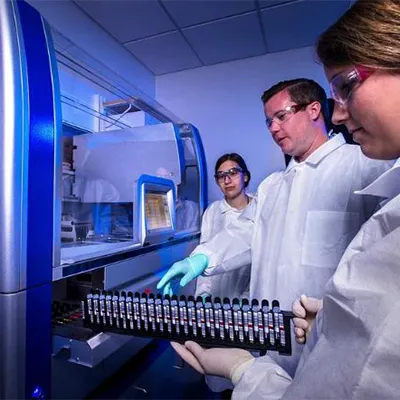
With a focus on the personalized medicine, population genomics and the overall biotechnological innovations breaking fast, the market of genetic testing is experiencing a dramatic scale. Having begun life in a niche area of medicine, global genetic testing is now deeply entrenched in whether it be diagnostics, therapeutics or even wellness as a consumer. It is a new era in the world where information in the field of DNA is no longer purely informational and is also becoming empowering.
What then is the driving force behind the demand of genetic testing, and why is the demand of genetic testing growing so fast all over the world? We should discover what powers this evolution, what the tendencies of genetic testing industry are, and what are the opportunities and challenges that are forming its future.
The Genetic Testing Boom: A Snapshot of Growth
Genetic testing's statistical explosion is more than just a statistical event; it represents a fundamental shift in how healthcare is seen, tailored, and delivered.
According to the genetic testing market forecast, the most significant share of revenue is related to the cancer, rare diseases, and reproductive health diagnostics. But the need of genetic tests in preventive medicine, ancestry testing, pharmacogenomics, and lifestyle control is moving the boundaries of the industry beyond medical walls.
What Is Driving Demand for Genetic Testing?
There are several factors contributing to the rise in demand for genetic testing:
1. Precision Medicine Initiatives across the Globe
Personalized healthcare is being embraced by both governments and the private stakeholders.
The ongoing national genome projects in the UK, China and India will create large DNA databases and lead innovation and accessibility in the world genetic testing industry.
2. Surge in Chronic and Rare Diseases
There are around 300 million individuals with rare diseases across the world where 80 percent of them are of genetic causes. Prenatal screening, based on genetic screening, has very significant clinical implications by drastically changing the outcomes of the clinical care, contributing to the growth of genetic testing in specialty care.
3. Technological Innovations in Genomic Sequencing
Genetic testing is becoming available to larger populations as it increasingly becomes affordable and precise through the next-generation sequencing (NGS).
4. Rising Awareness and Direct-to-Consumer (DTC) Testing
Consumer interest in genetic health is growing rapidly. DTC companies such as 23andMe and AncestryDNA have ushered millions of consumers into the world of genetic testing, changing it into a lifestyle product and a tool of wellness. This democratization has much to do with the demand of genetic testing.
5. Expanding Applications in Reproductive Health
Genetic testing of maternity care is being revolutionized through carrier screening, non-invasive prenatal testing (NIPT) and IVF-related genetic testing. Such services are driving steady genetic testing expansion, particularly in both the developed and fresh economies.
Genetic Testing Industry Trends Shaping the Market
In order to comprehend the beating of genetic testing market better, we have to touch upon existing global trends of genetics testing industry which orients it:
Trend 1: Multi-Omics Integration
The combination of epigenetics, proteomics and metabolomics can give a more absolute biological perspective on genetics and this brings the genetic testing market into systems biology.
Trend 2: AI and Data-Driven Genetic Platforms
Bioinformatics tools are now being developed that AI is powering genetic interpretation and reducing diagnostic mistakes and facilitating real-time updates. Such systems minimize mistakes and build more patient faith, which is essential to genetic testing demands on a long-term basis.
Trend 3: Tele-genetics and Digital Counseling
Genomic medicine is currently entangled with telehealth. Genetic counselors can be provided remotely and can assist in the interpretation of results, limit geographical obstacles, leading to faster genetic testing development in underserved populations.
Trend 4: Population Genomics Projects
Massive sequencing campaigns such as All of Us (USA), Genomics England, Genome India are creating the premises of inclusive and predictive genomic studies, which increases the worldwide scope of genetic testing.
Market Insights: Genetic Testing Market by Segment
| Segment | Market Share (2024 est.) | Key Drivers |
| Diagnostic Testing | 45% | Oncology, rare diseases, infectious diseases |
| Predictive & Presymptomatic Testing | 20% | Family history, carrier testing, personalized health |
| Pharmacogenomics | 15% | Drug response optimization |
| Ancestry & Wellness | 12% | Consumer-driven testing |
| Prenatal & Newborn Testing | 8% | Early risk detection in pregnancies |
The most important segment at present is diagnostics, which owns the most obvious share in revenues, yet predictions based on the genetic testing market show that pharmacogenomics and consumer-testing will prevail over the next ten years, especially, when data ecosystems and AI stand stronger.
Regional Growth: Where Is the Genetic Testing Market Thriving?
India and China due to their population density and the growing healthcare infrastructure are fast gaining market share in the global genetic testing market.
Europe, with its strict regulations and nationalized systems of health care, has experienced modest growth of genetic testing but with investments in precision medicine by countries, such as UK and Germany.
At the same time, Latin America and Middle East are experiencing a trend of accelerating growth with increased prevalence of cancer and expanding healthcare access which is representative of previously untapped potential.
Market Drivers for Genetic Testing: The Foundation for Growth
What are the leading genetic testing market forces that have led to its rocket-like ascent? The causes are as follows:
Healthcare Digitization:
Wearable data combined with electronic medical records (EMRs) and genetic reports offer a faster merging of care, making tests meaningful and based on action.
Aging Population:
An improvement in life expectancy will result in the rise of requests of predictive testing of age-related illnesses such as Alzheimer and cardiovascular diseases.
Corporate Wellness and Insurance:
Companies are putting money in genetic wellness programs to their employees. Other insurance companies are even willing to give you discounts by taking pre-active action through genetic testing.
COVID-19 Aftermath:
The pandemic increased the concern related to immunity as well as health weaknesses, which indirectly raised interest in the demand of genetic tests.
Future Trends in the Genetic Testing Industry
The genetic testing landscape is far-fetched. What lies ahead is as follows:
CRISPR and Gene Editing Synergies
Genetic testing industry will be the focal point of treatment authentication and precise targeting as the gene-editing technology advances.
Ethical and Regulatory Evolution
There are also concerns on the privacy of the data, discrimination, and informed consent as usage increases. Genetic counseling: Genetic counseling attempts to keep up with the ethical implications of the evolving laws such as the Genetic Information Nondiscrimination Act (GINA) in the U.S.
Blockchain for Genomic Security
New companies are creating applications of blockchain to lock digital tandem of the DNA and enable humanity to possess genetic profiles, which will guarantee secure expansion of genetic testing around the world.
Opportunities and Difficulties in the Market for Genetic Testing
As much as the growth path is promising, it does not come without its problems. Among the most significant risks and opportunities in genetic testing business environment:
Challenges
• Data Overload: With the increased process of sequencing, variants of uncertain significance are becoming complicated.
• Access and Cost: Genetic testing is too costly and unavailable in poor-income areas.
• Regulatory Discrepancies: It is a problem of no universal instructions in the world, which means the difference in the quality and confidence of the test results.
Opportunities
• Education and Awareness: More literacy on genomics can help eliminate the stigma and raise adherence.
• Partnerships with Pharma: Companion diagnostics are providing a new means of monetization between biotech companies and testing companies.
• Genetic Counseling Services: There are surging needs of experts in genetic counseling, one of the most essential support
Genetic Testing Market Forecast: What Lies Ahead?
According to analysts, the genetic testing industry is expected to grow at a compound annual growth rate (CAGR) of 10–12% during the next ten years. The need for genetic testing will increase dramatically in the clinical, research, and recreational domains as a result of faster, less expensive, and portable NGS systems.
The genetic testing business is getting packed with investors, pharmaceutical firms, diagnostic laboratories, and even startups competing to get a piece of the cake. This combination of cloud computing, real-time analytics, and interoperable database will optimize value, and not volume.
Conclusion: The DNA Revolution Is Just Beginning
Having developed into a global genetic testing revolution, it is redefining not only diagnostics, but healthcare more generally. That genetic testing market can be used to facilitate the detection of disease early enough, the development of customized treatment regimens and it is not a trend, but its paradigm shift.
Finding out the reason why the demand of genetic testing is rising in the world requires one to not only consider genetic testing as a wallpaper, but as a social-technological trend. With this future in our arms, the hope is in inclusivity and ethical stewardship and innovation benefiting science and society.
As stakeholders continue to unravel the human genome, the real question is not only what is driving the need for genetic testing but also how prepared we are to fully exploit it in a responsible, egalitarian, and universal way.