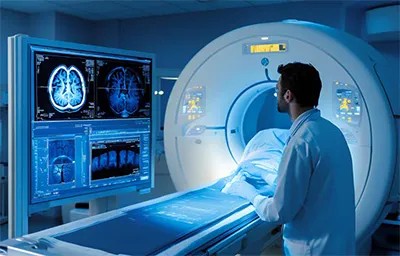
In the ever-evolving landscape of healthcare, technological advancements continue to reshape the way medical services are delivered. One such innovation that has significantly impacted diagnostic imaging is teleradiology. Teleradiology enables transmission of radiological images and patient data between remote locations for interpretation, bringing a multitude of advantages to both healthcare providers and patients alike and revolutionising the field of diagnostic imaging.
Radiology has long been at the forefront of technological innovation. This has led to the increased reliance, especially in rural areas, on telemedicine, specifically teleradiology. With this technology has come the need to better understand state and international medical and legal requirements.
Also, with the healthcare sector across the globe reporting an extreme shortage of radiologists and the trend showing it is only going to get worse, teleradiology can come to the rescue. According to the Association of American Medical Colleges (AAMC), a shortage of 17,000 to 42,000 radiologists, pathologists and psychiatrists, by 2033 is being reported. It further states that while the demand for imaging studies rises by 5 per cent every year on average, the radiology positions are only getting filled by 2 per cent every year. That is a little less than half the demand. This shortage can affect patient care drastically without enough staff to meet imaging and diagnostics demands, particularly when the older population - who need more imaging services - is increasing. However, this acute problem can be addressed by teleradiology to a great extent.
According to a survey published in the journal Springer Open, 65% of 368 radiologist use teleradiology with over 70% used for in-house services and 44% on-call in remote settings. A majority of them predicted a growing importance of teleradiology in future. They said the major advantages of this technology are improved collaboration with other radiologists (46 %) and efficient distribution of workload (38 %).
Now let's delve into the crucial role of teleradiology in modern healthcare, exploring its impact on patient care, efficiency, and accessibility.
Rapid Access to Specialised Expertise:
One of the primary advantages of teleradiology is the ability to access specialised expertise regardless of geographical constraints. It bridges the gap by connecting healthcare providers with experienced radiologists from around the world. In remote or underserved areas, where the availability of radiologists may be limited, teleradiology allows healthcare providers to connect with skilled professionals located elsewhere. This not only accelerates the diagnostic process, but also ensures that patients receive accurate and timely interpretations of their medical images. Radiologists can communicate in real time and help physicians provide further courses of treatment.

24/7 Availability:
Teleradiology transcends traditional working hours and time zones, providing a 24/7 availability of radiological services. This is particularly crucial in emergency situations, where immediate interpretation of medical images can be a matter of life and death.
With teleradiology, healthcare providers can connect with radiologists across the world any time - limiting the challenge of different time zones - and obtain rapid assessments, facilitating quick decision-making and improving patient outcomes. The 24/7 availability of remote radiologists ensures that critical medical images can be promptly interpreted, allowing for swift decision-making in emergency departments, which significantly improves the chances of positive outcomes in cases such as trauma, stroke, or other time-sensitive conditions.
Enhanced Efficiency and Workflow:
Integrating teleradiology into healthcare systems streamlines the imaging workflow, enhancing overall efficiency. Digital transmission of medical images eliminates the need for physical transportation of films, reducing the risk of loss or damage. Furthermore, the electronic format allows for easy storage, retrieval, and sharing of images, contributing to a more seamless and organised workflow for healthcare professionals. Moreover, the seamless integration of teleradiology into existing health information systems ensures that healthcare professionals can quickly access and share images, leading to faster decision-making and improved patient care.
Cost-effectiveness:
Healthcare providers face the perpetual challenge of optimising resources while maintaining high standards of care. Teleradiology can also lead to cost savings for healthcare institutions. By outsourcing radiological interpretations to specialised providers, hospitals can optimise resource allocation and reduce the need for in-house radiologists around the clock. This proves especially beneficial for smaller facilities or those in rural areas that may struggle with recruiting and retaining specialised medical professionals. It also enables them to access high-quality diagnostic services without the need for extensive infrastructure investment.
Improved Patient Care and Outcomes:
The expeditious nature of teleradiology contributes significantly to improved patient care and outcomes. Faster diagnosis allows for prompt initiation of treatment plans, reducing the time between detection and intervention. This is particularly impactful in conditions, where early intervention is critical, such as in cases of stroke or trauma. Teleradiology ensures that patients receive timely and appropriate care, ultimately enhancing their chances of recovery.
Geographical Reach and Telemedicine Integration:
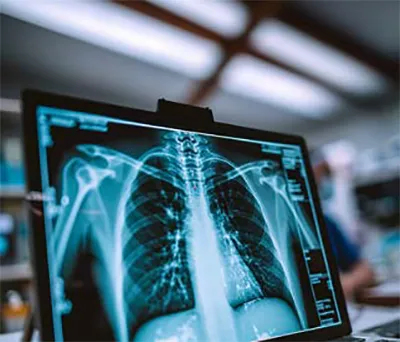
Teleradiology extends the reach of healthcare services to remote and underserved areas. Patients in rural locations can benefit from the expertise of radiologists located in urban centres, bridging the geographical gap in healthcare delivery. Additionally, integration of teleradiology into broader telemedicine initiatives is a significant step towards comprehensive patient care. Through telemedicine, healthcare providers can not only obtain remote radiological interpretations but also engage in virtual consultations with patients. This integrated approach facilitates holistic care delivery, particularly for individuals in remote locations.
Cross-border Collaborations:
Teleradiology facilitates cross-border collaborations between healthcare institutions and professionals. Experts from different parts of the world can collaborate on complex cases, sharing knowledge and insights to ensure accurate diagnoses and treatment plans. This global collaboration not only enhances the quality of healthcare services but also fosters a culture of continuous learning and knowledge exchange among healthcare professionals. This global exchange of insights contributes to ongoing professional development, ensuring that healthcare providers stay abreast of the latest advancements in diagnostic imaging and deliver the highest quality of care to their patients.
Reduced Turnaround Time:
Traditional radiology processes, involving the physical transfer of films, can lead to delays in diagnosis and treatment. Teleradiology eliminates these delays by enabling the rapid transmission of digital images. Reduced turnaround times are especially crucial in scenarios, where quick decisions are imperative, such as in emergency departments or urgent care settings, ultimately improving patient outcomes.
Enhanced Data Security and Compliance:
As technology advances, so does the emphasis on data security and patient privacy. Teleradiology platforms adhere to strict security protocols to protect patient information and comply with healthcare regulations. Encryption and secure transmission ensure that sensitive medical data remains confidential, addressing concerns related to data breaches and unauthorised access.
Facilitating Multidisciplinary Collaboration
Teleradiology enables healthcare providers to seek subspeciality consultations easily. In cases where a general radiologist may require input from a specialist in a particular field, teleradiology allows for the quick transmission of images to the relevant expert.
This collaborative approach ensures that patients receive the most accurate and specialised interpretations, even in niche areas of radiology. This collaborative model is particularly beneficial in complex cases, where input from multiple disciplines is essential for accurate diagnosis and treatment planning, ensuring a comprehensive and well-informed approach to patient care.
Reduced workload
Though the primary beneficiary of teleradiology would be a patient, radiologists too can reap in some advantages. The workload can be sometimes overwhelming for them, causing burnout and decreased job satisfaction. This technology can help reduce their workload by distributing it more evenly, helping them work remotely, and thus, enable a better work-life balance for them. Reduced stress ultimately contributes to better job performance and productivity. With the shortage of radiologists looming across the globe, the boom of teleradiology in the healthcare sector can be taken advantage of.
The advantages of teleradiology are far-reaching, transforming the landscape of diagnostic imaging and improving healthcare delivery on a global scale. From providing rapid access to specialised expertise to enhancing overall efficiency and patient outcomes, teleradiology has become an indispensable tool in the modern healthcare system.
But one also needs to be mindful of few limitations of the teleradiology services. Since it is entirely dependant on technology, if there is a lack of a proper internet connection, teleradiology can become a challenge. But with proper implementation and utilisation of modern technologies, it can go a long way in providing accurate and quality care to many patients on time.
However, as technology continues to advance, it is only likely that teleradiology will play an increasingly pivotal role in shaping the future of diagnostic imaging, also in European markets. For cross-border use, experts say key issues like security, quality assurance, financial flexibility and uniform legislation can help in long way to its adoption.
With its ability to transcend geographical boundaries, optimise resources, and enhance collaboration, teleradiology has the potential to shape the future of healthcare delivery, ensuring that patients receive timely and accurate diagnoses, regardless of where they are located.
As practises and health care organisations become increasingly digitised, physicians must be aware of HIPAA’s Administrative Simplification provisions—and particularly the Privacy, Security and Breach Notification requirements—that protect the confidentiality of their patients’ medical information. Physicians need to understand these rules and participate in a formal compliance plan designed to ensure all the requirements are met, including state requirements that go above and beyond federal mandates.
References:
https://www.springermedizin.de/european-teleradiology-now-and-in-the-future-results-of-an-onlin/9251706
https://www.diagnosticimaging.com/view/are-we-prepared-for-a-looming-radiologist-shortage-
https://www.acr.org/Practice-Management-Quality-Informatics/Legal-Practices/Split-Interpretations
https://www.ama-assn.org/practice-management/hipaa
https://www.acr.org/Practice-Management-Quality-Informatics/Legal-Practices/Teleradiology