

Now-a-days, the care patients receive depends entirely on the reliability of hospital infrastructure and equipment. Healthcare networks that cover various locations find that maintenance planning quickly becomes much more complicated. Facilities differ in their structure, age, offerings and in how important each asset is. So that continuity is preserved, possible disruptions are reduced and the necessary regulations are met, maintenance plans should be planned ahead, carried out the same way everywhere and supported by technology. Here, we look at successful strategies that ensure healthcare networks can grow strong by organizing their maintenance work.
The Importance of Standardized Protocols
Many large healthcare organizations find themselves with fragmented maintenance tasks because every site has its own procedures. Because there are no standard protocols between facilities, the service, uptime of equipment and compliance can vary widely. Using standardized methods for equipment and processes makes it easier for technicians to learn, for audits to be responded to effectively and for services to remain the same wherever the equipment is found. If healthcare organizations create a single set of rules that explains the time between services, how to regularly inspect and what to do in emergencies, their work can be smoother and there will be less chance for mistakes. Keeping things standard makes it easier for new employees to learn and cooperate with people from other sites.
Leveraging Centralized Maintenance Management Systems (CMMS)
It is important to have a strong CMMS computer system that oversees maintenance jobs in many locations. Using a centralized CMMS, all asset operations such as management, preventive maintenance planning, order creation and document storage can be managed in the same place.
Having access to cloud technology, approved individuals can get to data from any place and easily make important decisions in real time. If connected to facility tools, medical device lists and inventory managements, the CMMS becomes a main point of information for maintenance workers. It works by ensuring that everyone is honest and accountable and also provides information on when equipment stops, how the company measures compliance and how effective the technicians are. When technicians work with a CMMS mobile app, they can log details on site, review the history of equipment and confirm their duties are completed, helping responses and work accuracy.
Comprehensive Asset Inventory and Classification
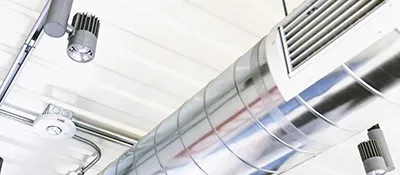
One has to start by knowing what assets the organization owns before they start maintenance planning. Building and managing a correct inventory is very important in a multi-site operation. It is important to identify all medical and infrastructure equipment which covers MRI equipment, autoclaves, elevators and HVAC systems. All assets must bear a unique label and be grouped according to their importance in patient care, how often they are used and how easily they can be replaced. With this sort of classification, planners can sort resources so they can give special attention to assets that influence the best clinical results and keep operations going. Proper maintenance of the database needs both regular checks and joint efforts with the procurement department to provide information on new additions and removals. When this inventory is part of the CMMS, it becomes easier to plan tasks and detect risks using data, rather than just react.
Developing Risk-Based Maintenance Strategies
Approaches that are the same for everyone don’t usually work well in maintenance, especially not in healthcare facilities where conditions constantly change. More effective management involves using a risk-based method of maintenance. The approach measures how vital an asset is, any problems it has had before and how much it is used to know how often it should be serviced and how deeply it will be repaired. Important systems such as ventilators and anesthesia machines, should receive more attention for monitoring and maintenance than the average system.
In this context, maintenance planning shifts from basing activities on set schedules to following indications from the condition of equipment, so fewer unnecessary fixes are performed and there are fewer surprises about equipment breakdowns. Maintaining this balance helps you save resources and run your important equipment longer which improves the way you look after patients and how efficient your team is.
Coordination and Optimization of Maintenance Workforce
Another issue in a multi-site facility is making sure workers have the skills and are deployed effectively. Building maintenance teams should only include staff who know how to fix the necessary systems and they should be available when and where needed. Organizing professionals in different areas means using a center to decide which tasks go to which technician based on availability, where they are and their area of knowledge. Swapping staff between sites can make sure knowledge is shared and increases the capability of the entire group. Training in the workplace must happen regularly to help teams stay informed about updated technology, equipment models and new rules. By using mobile access to their job information, maintenance personnel can finish tasks more quickly and help prevent long downtimes.
Embracing Predictive and Condition-Based Maintenance
Today, thanks to new technology, healthcare networks can go past routine maintenance and adopt a predictive system. Through sensors, IoT items and machine learning models, it helps keep an eye on machine conditions and forecast breakdowns ahead of time. By using vibration analysis, the early signs of failure in mechanical systems can be found and usage-based analytics can suggest the need for recalibrating imaging equipment. Moving from standard check-ups to service when needed lets healthcare networks last longer, require less upkeep and use their resources more wisely. Predictive maintenance helps hospitals plan their budget more wisely and cuts down on sudden costly repairs that might disturb services to patients.
Strengthening Compliance and Documentation
They need to comply with strict rules about their equipment, the environment and document management.
Every facility in a multi-site organization should meet both national and local standards, including those created by The Joint Commission (TJC), OSHA and NFPA. Therefore, maintenance planning should make sure to document every activity, inspection, certification and repair in great detail. Quick access to documentation during inspections becomes possible if the system is integrated with the CMMS and organizes everything centrally. Because of automated logs and alerts, unlikely situations such as non-compliance can be easily avoided. Making sure documentation is supervised by compliance coordinators or teams at each site raises accountability and prepares the company for inspections.
Streamlining Spare Parts and Inventory Management
Speedy response to repairs is only possible with effective spare parts management. If different sites in a company can’t track the inventory, this can result in buying the same things twice, running low on necessary parts or needing longer to fix machines. Instead of each site tracking their own inventory, healthcare networks prefer to have centralized hubs supply their nearby facilities. With this type of CMMS, parts tracking, low stock detection and automatic reordering add more value to the approach. We can use earlier data to help ensure both the right amount of needed parts and little wasted money on rare or infrequently used items. By using centralization, a company can streamline how it obtains goods, push for improved relationship terms with providers and guarantee that all spare parts are of equal quality.
Using Data and KPIs for Continuous Improvement
Data helps make maintenance planning easier. Understanding work order history, asset records and downtime numbers allows healthcare administrators to find inefficiencies, assess how everything is functioning at various sites and explain their need for new capital investments. Mean Time to Repair (MTTR), Mean Time Between Failures (MTBF), the Planned Maintenance Compliance Rate and Cost Per Work Order are good key indicators of the success of your maintenance function. Reviewing these statistics often allows a facility to notice patterns, spot persistent problems and plan improvements.
Ensuring senior management, facility heads and maintenance supervisors can use the same dashboard helps everyone see where issues are and collaborate to find solutions.
Emergency Response and Contingency Planning
Even with careful planning, problems with the equipment, loss of power or breakdowns in the HVAC system can take place. Healthcare systems with many locations need to react fast in order to ensure patient safety during emergencies. There should be a solid contingency plan at every facility with listed backup equipment, contacts for emergency suppliers and instructions for communicating with staff. The plans should be tailored to the local hazards and setup of every location so they are part of the overall strategy for the organization. Simulated emergencies and practice help people know their duties if faced with a real event. This means it is essential to regularly look over contingency plans, mainly after a system upgrade or noticeable changes to clinical operations.
Fostering a Culture of Continuous Improvement
Good maintenance practices are something you keep building on over time. Organizations in healthcare need to ensure their maintenance teams have a mindset of always seeking better ways to work. This step is about designing feedback systems that help both technicians, facility managers and clinical staff offer advice from what they have experienced. Including members of engineering, procurement, IT and clinical teams in cross-functional committees can greatly help find and solve ongoing issues the company might be facing. Seeing and appreciating new ideas in maintenance® inspire teams to look for better ways to operate. When modern technology and increasing patient standards come about, organizations are expected to embrace new strategies and tools to keep services trustworthy and safe.
Conclusion:
It is very important, but also difficult, to maintain regular maintenance at each location in a large healthcare network. Each of these elements is required to maintain supportive infrastructure for delivering good care. If a company uses centralized systems, predictive tools and keeps improving, it can avoid unplanned downtime, control expenses and safeguard its patients.
In an environment where every second counts and every device matters, excellence in maintenance planning becomes not just an operational goal, but a strategic imperative.