
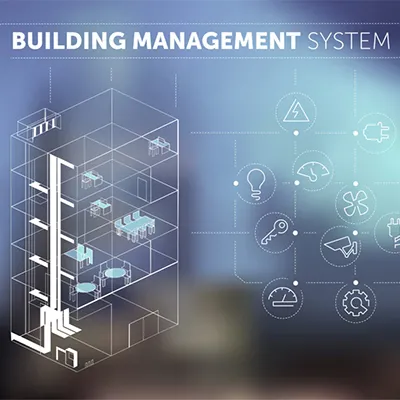
Due to the transformation in healthcare, hospitals and medical facilities have to meet the same level of precision as well-designed machines. With the increase in complexity of care and stricter rules, regular hospital buildings are not able to adapt to modern times. Now, Building Automation Systems (BAS) are used - they act as intelligent control solutions for main systems like HVAC, lighting, access control and environmental monitoring. Vendors in the B2B sector that focus on automation, energy or facility management can take advantage of tightly integrating BAS to provide value during the entire life of a healthcare facility.
Instead of choosing automation for convenience, healthcare facilities are required to use it to make sure their systems and spaces are safe for patients, they improve treatment results and control rising expenses. Early involvement of business activity systems is important in healthcare because unique challenges demand fast integration by contractors, administrators and solution providers.
The Role of BAS in Modern Healthcare Environments
In the medical field, using automation does much more than making things convenient. They make up the foundation for safe environments, running processes well, keeping patients safe and following regulations. BAS platforms exist to handle:
• Installing HVAC systems to stop the risk of infection in intensive care units and theaters
• Systems that manage lighting in the place of surgery, patient recovery areas and meeting energy conservation targets
• Systems that keep areas such as pharmacies and labs accessible only to authorized people
• Having air pressure differences in isolation rooms and laboratories.
• Refrigeration systems are checked to verify if vaccines and samples are being stored properly.
If BAS is present from the start of building a new hospital or diagnostics center, the systems work together, respond in real time and enhance patient safety.
Designing With BAS from the Ground Up
Introducing BAS at the planning phase supports well-planned room layouts and makes system integration go more smoothly in healthcare projects. Thanks to this design, smart automation devices can easily be supported by ventilation shafts, control panels, ductwork and IT cabling, so avoiding extra expenses due to rework.
Being involved early from the vendor standpoint ensures better specification of the system, fitting it to the customer’s needs and matching all important hospital goals. Those vendors that focus on BAS, HVAC controls or IoT monitoring systems for healthcare can adjust their services based on the floor plan, special areas, the number of patients and compliance rules.
Enhancing Infection Control and Air Quality
Diseases caused by airborne pathogens can affect patients and staff in healthcare places. Automated controls for buildings make it easier to control things like air filtration, temperature and pressure which plays a big role in risk management. So, to keep infections away from isolation wards, BAS keeps negative pressure and in the case of operating rooms, positive pressure is maintained with BAS to stop contaminants from getting inside.
Integrating these systems at the beginning allows engineers to arrange the airflow in the best way, set up sensors where they are needed and allow the heating and cooling to react to who is using the space. This means there is a chance for automation companies to supply certified air quality monitors, programmable logic controllers (PLCs) and pressure sensors for medical rooms.
Optimizing Energy Use without Compromising Care
Since hospitals keep operating around the clock, they consume much more energy than an average commercial building. But they have to make sure their rooms are comfortable, hygienic and dependable. BAS helps healthcare facilities reduce electricity consumption and still ensures important functions keep running.
Automating systems for lighting, temperature and ventilation using occupancy, time of day or external conditions allows hospitals to save energy while maintaining good care for patients. Connecting things to the smart building solution via the design process makes it possible to manage patient rooms, labs, common areas and office spaces separately.
From the buyers’ (hospital administrators’) point of view, energy monitoring dashboards, IoT sensors and analytics engines offered by vendors allow them to show real ROI, making them attractive options in purchasing cycles.
Supporting Predictive Maintenance and Asset Health
Halt in operation of medical-grade chillers, ventilation or sterilization units in healthcare can result in major and harmful issues. BAS keeps an eye on machines, notifies users when there’s a problem and helps prevent major failures.
Putting BAS into new design plans means automatic integration of smart meters, motor sensors and vibration monitors into the mechanical work for long-term reliability. Because of this model, routine repairs are rare, equipment serves a longer life and expenses are lower since emergencies are avoided.
B2B suppliers help by providing monitoring tools, AI-assisted diagnostics and maintenance planning software that easily match the software the hospital already uses.
Ensuring Regulatory Compliance and Accreditation
Medical facilities must follow strict national and international rules, for example ASHRAE 170, NABH or Joint Commission standards. BAS helps with automated tracking of compliance by storing temperature records, who accessed the facility, air quality information and audits of the systems’ behavior.
When BAS includes compliance features, hospitals never miss audit requirements. By giving samples, report generators and remote opportunities, automation vendors can offer services in line with healthcare needs. As an example, alerts can automatically go off if the temperature in a refrigerator drifts outside the accepted area or if a fire door is left open too long.
This method of carrying out risk management is attractive to decision-makers in hospital projects, mainly those in roles that involve following regulations.
Improving Patient Comfort and Healing Environments
More and more, hospital reputations and compensation depend on how happy patients are. BAS makes sure that temperatures, lighting and noise in patient rooms and recovery areas are suitable which creates a comfortable environment. Smart automation lets patients change their room settings with a tablet or by using the nurse call system linked to the BAS.
Building these skills into the facility’s structure during design helps personalization and comfort form the basis of care delivery to patients. Providing this need, automation suppliers can install room-level control modules, dimmable lights and use circadian rhythm lighting which is a rising trend in health care.
Securing Hospital Infrastructure with Smart Access Control
It is essential to have security in healthcare facilities because it protects buildings, staff, patients and all the important medical records. The control person sees surveillance, access control, visitor check-in and emergency monitoring all on the same interface.
While designing, automation systems can be set to manage access rights for workers, ensure privacy in important units and monitor who is entering and leaving specific areas in real-time. Vendors with IP cameras, biometric authentication gadgets and security panels can show how healthcare facilities benefit from having all their security needs on a single platform.
Digital Twin Integration for Lifecycle Management
Healthcare construction projects often use Building Information Modeling (BIM). Combining BAS with BIM from the start leads to a digital twin that constantly monitors building progress, helps set up maintenance schedules and test the building’s reactions to emergencies.
Because all data is linked together, hospital administrators and managers can make evidence-based choices for decades to come. It is more and more necessary for B2B vendors to be compatible with BIM and open APIs. Giving easy-to-use BAS pieces for digital twins drives facility value over time and helps position suppliers during tenders.
Collaboration between Stakeholders for Seamless Integration
A healthcare facility project brings together architects, MEP consultants, clinical planners, IT specialists and regulatory advisors.
Smoother integration, less risk of scope expanding and recognition as a value-added partner can be achieved when BAS vendors partner up early with the project team.
This is noticed often in design-build-operate (DBO) projects, where the efficiency of running the project is marked as a major performance criterion. During competing bids, suppliers who explain how their BAS solutions help maintain good clinical functioning, raise patient satisfaction and save energy will be noticed.
Economic and Strategic Value for B2B Vendors
Including BAS in healthcare facilities is an opportunity to improve business operations as well as technology. Automation technologies are considered worthwhile investments by hospitals, diagnostic chains and specialty clinics where they clearly boost returns, make things safer and guarantee compliance with regulations.
So, B2B companies are primed to:
• Non-integrated automation products
• System integration services
• Support contracts that last a long time
• Analytics done using cloud services
• Existing compliance add-ons
Those who become partners to healthcare by supporting automation will have a better chance in this sector.
Conclusion: Enabling the Future of Smart Hospitals
As healthcare is adopting digital technology rapidly, using Building Automation Systems is now fundamental in designing facilities. Integrating BAS helps transform hospitals, so they are safer, more eco-friendly, proactive and more attuned to patients’ needs.
For businesses that provide automation, HVAC, energy monitoring or IoT solutions, the chance is in partnering early, making solutions that fit the sector and delivering value. Taking part in early planning and development lets them shape patient care and also cultivates significant business connections for the future.