
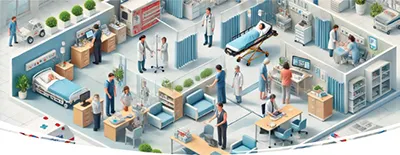
Hospitals worldwide are facing significant challenges in managing patient flow, influenced by numerous factors such as seasonal illness, staffing shortage and evolving healthcare demands.
Managing patient flow efficiently in large hospitals is crucial for delivering high-quality healthcare, reducing patient wait times, and refining resource utilization. Poor patient flow can lead to overcrowding, increased stress for both patients and healthcare staff, and compromised patient safety. In the process of streamlining, many hospitals use technology, including Electronic Health Records, Mobile Apps, and Tele-Health platforms to enhance patient flow. This article explores key strategies to streamline patient flow, improve hospital efficiency, and enhance the patient experience.
Understanding Patient Flow in Large Hospitals
Patient flow refers to movement of patients through various stages of care, from admission to discharge. An effective patient flow system ensures that patients receive timely care, hospital resources are used efficiently, and bottlenecks are minimized
Key Stages of Patient Flow
Admission and Registration: patents enter the hospital and goes through initial paperwork and assessments.
Triage and Diagnosis: patients are evaluated based on urgency and directed to the right department.
Treatment and Procedures: Patients receive necessary medical interventions, surgeries, or therapies.
Recovery and Monitoring: Post-treatment care, including observation and rehabilitation.
Discharge and Follow-Up: Patients are discharged with instructions for post-hospital care or transferred to another facility if needed.
Common Challenges in Patient Flow
Overcrowding in Emergency Departments (Eds): A major bottleneck in large hospitals in ED, where non-urgent cases often compete for resources with critically ill patients.
Delayed Discharges: Patients who are medically fit for discharge may stay longer due to administrative delays, lack of transportation, or insufficient post-hospital care planning.
Bed Shortages: Inefficient bed management can lead to delays in admissions and transfers.
Inefficient Communication: Poor coordination between hospital departments slows down decision-making and prolongs patient stays.
Staffing Constraints: Shortages of healthcare professionals, especially during peak hours, can slow down patient processing.
Consequences of Poor Patient Flow
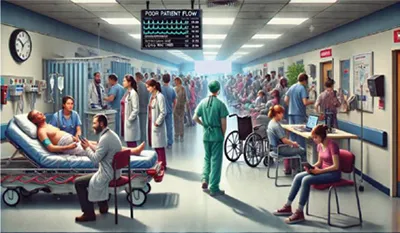
Poor patient flow in hospitals has widespread consequences that affect patients, healthcare workers, and overall hospital efficiency.
Patient Safety: Delayed care because of long wait time in ED and boarding increases risk of complications for critically ill patients. Overcrowding and rushed care can lead to medication errors, misdiagnosis, and lapses in monitoring, this may also increase the risk of hospital-acquired infection.
Increased Mortality and Morbidity: Patients waiting too long for admission or surgery may experience worsened conditions. ED overcrowding correlates with higher mortality rates.
Staff Burnout and Job Dissatisfaction: Overburdened staff experience physical and emotional exhaustion, leading to burnout. Higher turnaround among nurses and doctors further strain patient care.
Financial Strain on Hospital: inefficiencies lead to increased operational costs, including extended hospital stays and resource overuse.
Negative Patient Experience: Long waits, lack of communication and overcrowding leads to frustration and dissatisfaction. Patients may lose trust in the hospital and seek care elsewhere.
Strain on Emergency Medical Services: Ambulances get stuck waiting to transfer patients to full EDs, delaying times for new emergencies. Some hospitals go on “Diversion” status forcing ambulances to take patients to more distant facilities.
Impact on Post-Acute and Community Care: Poor discharge planning leads to delays in transferring patients to rehabilitation, skilled nursing, or home care. Patients may be readmitted due to inadequate follow-up care.
Seven Strategies for Streamlining Patient Flow
Hospitals can consider various strategies to streamline patient flow, increase operational efficiency and enhance patient experience. Primary step is to identify key areas for improvement, such as reducing waiting times, streamlining admissions and discharges, and enhancing communication. A thorough assessment using process mapping and data collection helps pinpoint inefficiencies.
A multidisciplinary team, including physicians, nurses, and administrative staff, should collaborate to implement solutions. These may involve new processes, better communication, and workflow restructuring.
Hospitals across the globe have adopted various strategies to improve patient flow. Some of these are highlighted below:
Efficient Emergency Department Management:
A Fast-Track system: Patients with minor ailments are directed to a resolute fast-track unit, reducing congestion in ED.
Optimised Triage System: Advanced triage protocol and AI aided decision-making tools are helping prioritise patients effectively.
Alternative Care Pathways: Directing non-urgent cases to urgent care centres, telemedicine, or primary care providers reducing unnecessary ED visits.
By introducing separate night clinics/night OPD – a unit for low-acuity patients, some large hospitals have reduced ED wait times by 25-30% during night hours, thereby improving overall efficiency.
Improved Bed Management System:
Real-Time Tracking: Use of digital dashboards that provide real-time updates on bed availability to speed up patient admissions and transfers. Alerts are sent to housekeeping teams as soon as room is vacated to ensure efficient room preparedness for new admissions within defined turnaround time.
Step-Down Units: Intermediate care units have been made for patients who do not need intensive care but are not ready for discharge yet. This takes care of freeing up critical care beds.
Enhanced Interdepartmental Communication:
Electronic Health Records (EHRs): A centralised EHR system that allows doctors, nurses, and administrative staff to access up-to-date patient information instantly.
Hospital Command Centres: Some large hospitals have implemented command centres that monitor patient flow and allocate resources dynamically.
Standardised Communication Protocols: A structured handoff procedure, such as SBAR (Situation, Background, Assessment, Recommendation), implemented to prevent miscommunication and improve patient flow.
Efficient Discharge Process:
Discharge Planning from Day One: Hospitals have assigned case managers or discharge coordinators to prepare patients for discharge early in their stay. Digital screens/ white boards placed in patients’ rooms and nursing counters show estimated date of discharge (EDOD).
Automated Discharge Notifications: Digital systems send alerts to staff about upcoming discharges, ensuring smoother transitions. Stakeholders’ checklist helps all to keep a track of their activities in the discharge process for efficient patient discharge without delays.
Discharge Lounge: To hasten in-patient bed availability hospitals have introduced discharge lounges, allowing discharged patients to move from their inpatient rooms while awaiting completion of discharge process related to insurance, billing, or transportation. This helps in efficient turnaround of beds for patients waiting in ED for admission.
Post-Hospital Care Coordination: Hospitals work closely with rehabilitation centres, nursing homes, and home healthcare services to prevent unnecessary readmissions.
An average of 15% reduction can be seen in patient length of stay with proactive discharge planning.

Leveraging Technology for Better Flow Management:
AI- Based Predictive Analytics: Hospitals are leveraging technology for predictive patient inflows based on historical data to help allocate resources effectively.
Check-In Kiosks: Some hospitals have installed automated kiosks for patient self-registration which reduces wait times and frees up administrative staff for patient care.
Mobile Apps for Patients: Allowing patients to track their appointment status, estimated wait times, and discharge instructions. This has enhanced patient experience.
Optimising Staff Workflow:
Flexible Staffing Models: Hospitals are adjusting workforce allocation based on peak hours and patient demand to prevent understaffing issues.
Cross-Training Staff: Staff is being equipped with multiple skill sets allowing them to assist in different departments when needed.
Burnout Prevention Measures: By ensuring proper breaks, mental health support, and workload balance hospitals can support efficiency. Some large hospitals have worked with healthcare workforce specialist to develop a predictable and balanced shift rotation system, the key elements of which being - balanced rotations, built-in recovery periods, flexible scheduling and staff inputs, cross-training for floating staff and wellness and support programmes.
Implementing Lean Healthcare Principles:
Value Stream Mapping (VSM): Mapping out the entire patient journey from arrival to discharge, highlighting delays and inefficiencies to help improve processes.
Eliminating Waste: Hospitals are identifying inefficiencies/non-value-adding activities such as unnecessary paperwork, redundant tasks, and excessive patient transfers to improve patient flow.
Standardizing Procedures: By creating clear protocols for admissions, treatments, and discharge ensures consistency across departments, hospitals are improvising on patient flow.
Continuous Improvement: Hospitals are encouraging staff to provide feedback on bottlenecks to help refine their processes overtime.
Lean principles have helped hospitals cut patient wait times drastically.
Top Five Trends in 2025 for Improving Patient Flow Challenges
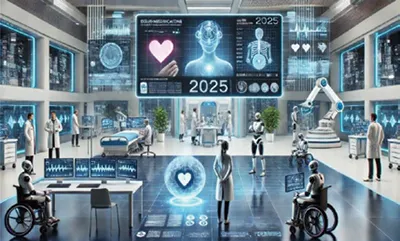
In 2025, healthcare systems are adopting innovative strategies to enhance patient flow and address associated challenges. Key trends include:
Digital Health Applications: Mobile Apps that allow patients to book and manage hospital appointments digitally, aiming to cut waiting times and reduce resource waste from missed appointments.
Artificial Intelligence and Machine Learning: AI and MI are being utilised to predict patient admissions, optimise staffing, and manage hospital resources efficiently. These technologies analyse vast datasets to forecast patient inflows, enabling better preparation and reducing bottlenecks in patient care.
Real-Time Data Sharing and Interoperability: Efforts are underway to enhance data sharing between healthcare facilities. Websites displaying real-time data on waiting lists and bed capacity across major hospitals, aiding in better patient distribution and reducing overcrowding.
Automation and Robotics: Automation and robotics are being integrated into healthcare settings to manage routine tasks, allowing medical staff to focus more on patient care. Robotic systems assist in surgeries, improving precision and reducing recovery times, while automation streamlines administrative processes, enhancing overall efficiency.
Telemedicine and Remote Monitoring: The expansion of telemedicine and remote patient monitoring enables continuous care without the need for physical hospital visits. This approach reduces hospital congestion and allows for timely medical interventions, improving patient outcomes and satisfaction.
By embracing these trends, healthcare systems aim to improve patient flow, reduce throughput times, and enhance the overall quality of care.
The Role of Leadership in Streamlining Patient Flow Management
Hospital administrators and healthcare leaders play a crucial role in guiding organisations thorough change. Whether it is implementing modern technologies, restructuring, or adapting to market shifts, effective leadership ensures that change is smooth, successful, and embraced by employees. Responsibilities of leadership to bring change in streamlining patient flow includes:
Setting Clear Goals: Setting up measurable targets for reducing wait times, improving discharge efficiency, and enhancing patient satisfaction and experience.
Encouraging a Culture of Collaboration: Promoting teamwork across different hospital departments to ensure seamless coordination, providing training, resources and support to help employees transition the process smoothy. Employees efforts recognised and small wins celebrated to encourage innovation to make the streamlining process less overwhelming.
Investing in Innovation: Allocating resources for advanced technology and process improvement initiatives.
Monitoring Progress and Adaptability: Leaders should track progress, gather feedback, and adjust strategies as needed to ensure long-term success.
Leading by Example: Leaders must embody the change they want to see, by demonstrating adaptability, enthusiasm, and commitment. Thet set a positive tone and encourage others to follow.
Conclusion
Efficient patient flow in large hospitals is essential for delivering high-quality care, reducing congestion, and maximising hospital resources. By implementing streamlined ED management, improving bed allocation, enhancing communication, leveraging technology, and optimising staff workflows, hospitals can improve efficiency, patient outcomes, and experience.
A well-coordinated approach that combines innovative solutions, initiative-taking leadership, and continuous improvement will ensure that large hospitals stay capable of meeting the growing demands of modern healthcare.