

The Rise of AI in Middle Eastern Healthcare
Artificial Intelligence (AI) is reshaping the global healthcare landscape, and the Middle East is no exception. Driven by ambitious government visions, a vibrant research community, and increased private sector investments, AI technologies are rapidly moving from theoretical research into practical, commercialized applications. From improving patient outcomes to streamlining hospital operations, AI’s potential is vast, positioning the Middle East as a future leader in digital health innovation.
Research Foundations: Pioneering Innovations
Across the Middle East, research institutions are diligently laying the groundwork for advancements in AI. Prominent universities and hospitals, including King Abdullah University of Science and Technology (KAUST) and Cleveland Clinic Abu Dhabi, have established dedicated AI research centers. These initiatives are concentrating on developing sophisticated machine learning models for earlier disease detection, employing predictive analytics to manage chronic illnesses more effectively, and pioneering AI-driven robotic surgery systems. The synergy created through collaborative research between academic bodies and healthcare providers is proving critical in cultivating innovative solutions that are not only clinically relevant but also scalable for wider applications.
Investments and Strategic Initiatives
Over the past five years, investments in healthcare AI startups and infrastructure have surged. Saudi Arabia’s Vision 2030, the UAE’s National AI Strategy 2031, and Qatar’s National Health Strategy 2018–2022 have earmarked substantial budgets for digital health technologies, including AI. Venture capitalists are increasingly backing AI health startups, recognizing the region’s strong growth potential. According to a report by IQVIA, the Middle East healthcare market could see digital solutions comprising up to 25% of all healthcare spending by 2030 (IQVIA, 2023).
Government Support and Policy Frameworks
Government initiatives have provided a vital impetus to AI innovation within the healthcare sector. Policies designed to encourage public-private partnerships, facilitate fast-tracked approvals for AI solutions, and offer grants for AI research have collectively fostered an environment conducive to development. In the UAE, for example, the Ministry of Health and Prevention (MoHAP) initiated the “Smart Healthcare Project,” which actively integrates AI into telemedicine platforms, diagnostic services, and hospital management systems. Such supportive policy frameworks are essential for effectively translating research breakthroughs into market-ready products and services.
From Labs to Clinics: Translating Research into Solutions
The transition from AI research to clinical application involves rigorous validation, piloting, and scaling. Pilot projects in oncology diagnostics, AI-based triage systems, and remote patient monitoring are increasingly common in the Middle East. Hospitals and startups collaborate to test solutions in controlled environments, ensuring safety, efficacy, and integration with existing workflows before full-scale commercialization. This translational approach reduces time-to-market and improves adoption rates.

Commercialization Pathways and Business Models
Successful commercialization of AI healthcare solutions requires well-defined and clear pathways to ensure effective market entry and adoption. These pathways include various models that are rapidly gaining traction. Popular models such as B2B (Business-to-Business), SaaS (Software as a Service) platforms, and AI-enabled medical devices are becoming increasingly common as companies seek to scale their solutions. Companies must carefully navigate the complexities of licensing agreements, intellectual property protections, and reimbursement frameworks in order to succeed in the highly regulated healthcare sector. According to IQVIA (2024), regional healthcare organizations in the Middle East increasingly prefer subscription-based AI models that offer greater flexibility and scalability. These models enable faster and more seamless integration of AI technologies into healthcare systems, without requiring high upfront costs or significant capital investment. This shift towards “AI as a Service” mirrors broader global trends in the tech sector, while also addressing the unique operational and financial needs of the Middle East, providing solutions that are tailored to the region’s specific healthcare challenges and opportunities.
Navigating Market Deployment & Commercial Adoption Challenges
Despite the momentum, several challenges persist in commercializing AI solutions in the Middle East:
• Talent Gaps: The shortage of AI-trained healthcare professionals, slowing implementation.
• Clinical Validation: Obtaining regulatory approvals demands extensive clinical trials, often prolonging market entry.
• Infrastructure Limitations: Some countries face gaps in digital infrastructure, affecting solution scalability.
• Regulatory Hurdles: The lack of unified regulatory frameworks for AI-driven healthcare solutions in the region creates barriers to commercialization, as companies must navigate varied regulations across countries.
• Data Privacy Concerns: AI in healthcare requires vast amounts of patient data, which raises privacy and security concerns. Ensuring compliance with data protection laws can complicate the adoption of AI technologies.
• Integration with Existing Systems: Many healthcare institutions in the region use legacy systems that are difficult to integrate with AI solutions, requiring significant investment in both technology and training.
• High Costs: The initial investment required for AI technologies, including infrastructure and skilled personnel, can be prohibitive for healthcare providers, delaying commercialization and widespread adoption.
Addressing these challenges will require coordinated efforts across academia, healthcare providers, industry, and regulators (Alami et al., 2023).
Regulatory Landscape and Compliance
Regulatory bodies throughout the Middle East are actively developing frameworks to guide the ethical and safe deployment of AI in healthcare. Authorities like Saudi Arabia’s SDAIA (Saudi Data and Artificial Intelligence Authority) and the UAE’s Artificial Intelligence Office have issued guidelines that emphasize transparency, accountability, and patient safety as core principles. These emerging regulations are beginning to cover specific applications such as AI-based diagnostics, clinical decision support systems, and predictive analytics tools. For instance, a notable collaboration involves Saudi Arabia’s National Center for Artificial Intelligence partnering with the Saudi Food and Drug Authority (SFDA) to establish a clear approval framework specifically for AI-powered medical devices. For developers and investors, adhering closely to these evolving regulations is not just a matter of compliance but is crucial for ensuring long-term success and sustained market access within the region.
Case Studies: Successful AI Deployments in Practice
Several case studies highlight the Middle East’s progress:
• Babylon Health and Dubai Health Authority Collaboration: An AI-driven telehealth platform that delivers 24/7 virtual consultations and symptom checking.
• King Faisal Specialist Hospital’s AI Research Center: Applied AI to predict COVID-19 patient outcomes during the pandemic, dramatically improving resource allocation.
• Seha Virtual Hospital in Saudi Arabia: One of the largest virtual hospitals globally, leveraging AI in remote diagnostics and triage (IQVIA, 2023).
Future Outlook: Accelerating AI Adoption
The future for AI in Middle Eastern healthcare looks exceptionally promising. Continuous government backing, increasing private investments, expanding regional research hubs, and a young, tech-savvy population create fertile ground for growth.
AI is expected to revolutionize not only diagnostics but also personalized medicine, population health management, and operational optimization. However, a focus on ethical AI, continuous clinical validation, and patient-centered design will be vital to ensure sustainable adoption (IQVIA, 2024).
The Middle East stands at the cusp of a digital health revolution, where AI will be instrumental in achieving broader healthcare goals of accessibility, efficiency, and excellence.
Understanding the AI Revolution in Healthcare
The integration of artificial intelligence and associated digital technologies is undeniably driving a revolutionary shift in healthcare, below three of the main insightful resources that delve into this revolution:
• World Economic Forum – How Digital Innovation is Reshaping Middle East Healthcare
This reference explores how digital transformation, including AI, robotics, and genomic medicine, is enhancing patient care and operational efficiency across the Gulf Cooperation Council (GCC) countries. It highlights initiatives like Saudi Arabia’s health information exchange and Bahrain’s advancements in genomic medicine.
• Kearney – The Digital Revolution Could Reshape Healthcare in the Middle East
Kearney discusses the potential of AI and digital tools to overhaul healthcare delivery in the region. The report emphasizes the need for strategic investments and policy frameworks to support AI adoption in healthcare systems.
• CIO – How AI and Big Data Are Changing Healthcare in the Middle East
This examines how AI and big data analytics are enabling faster, more cost-effective diagnostics in Middle Eastern healthcare settings. It features examples from Dubai’s American Hospital, where AI models assist in COVID-19 diagnostics and patient risk assessments.
Economic Impact & Market Growth Dynamics
These statistics underscore the Middle East’s commitment to integrating AI into healthcare, driven by substantial economic investments and a growing digital health sector.
• Economic Impact: AI is projected to contribute US$320 billion to Middle Eastern economies by 2030, with healthcare anticipated to be a significant beneficiary.
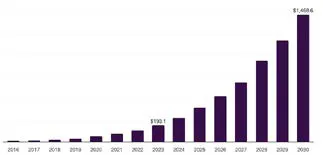
• Market Growth: The AI in patient engagement market in the Middle East and Africa is expected to grow from US$235.6 million in 2023 to US$925.4 million by 2030, reflecting a compound annual growth rate (CAGR) of 21.6%.
• Healthcare Integration: Saudi Arabia aims to integrate AI across its healthcare sector by 2030, enhancing patient care and operational efficiency.
• Startup Activity: The UAE hosts approximately 257 HealthTech startups, indicating a robust entrepreneurial ecosystem in digital health.
(IQVIA’s Digital Health Trends 2024 Report) This report examines trends across segments of the digital health market, including digital diagnostics, digital therapeutics (DTx), and digital care (DCs). It provides insights into the maturation of these segments and their adoption in regions like the Middle East.
(IQVIA’s Healthcare-Grade AI Solutions) IQVIA offers AI solutions tailored for healthcare, emphasizing the integration of data, technology, and expertise to address the unique needs of the healthcare sector. These solutions are designed to support the deployment of AI technologies in healthcare settings.

Global Impact & The Generative AI Transformation
The influence of AI in healthcare extends globally, with significant developments and discussions shaping its trajectory, including the rise of Generative AI. Key industry events reflect the Middle East's engagement in this global conversation. For instance, the HIMSS Executive Summit 2025, held in Dubai on April 23, 2025, convened regional leaders to discuss digital health futures, including AI applications and governance, featuring prominent figures Looking ahead, the HIMSS AI in Healthcare Forum, scheduled for July 10–11, 2025, in New York, plans to showcase real-world AI applications and address the associated challenges, offering guidance on AI leadership, ethics, and governance across clinical and administrative domains. Furthermore, HIMSS is facilitating dedicated engagement for its Middle East participants at the upcoming HIMSS25 global conference, aiming to foster collaboration and knowledge exchange. Insights can also be drawn from past events, such as the HIMSS AI in Healthcare Forum held in Orlando in March 2024. A session there focused on "Accelerating Digital Healthcare Innovations with Generative AI," exploring its potential in diagnostics, treatment planning, and patient engagement, while stressing the need for robust governance and ethical frameworks – lessons valuable for Middle Eastern leaders navigating AI integration.
References
1. IQVIA. (2023). Digital Health Trends in the Middle East. Available at: https://www.iqvia.com/locations/middle-east-and-africa
2. IQVIA. (2024). AI Adoption in Middle Eastern Healthcare Systems. Available at: https://www.iqvia.com/insights/the-iqvia-institute/reports
3. Entrepreneur Middle East. (2025). Seha Virtual Hospital: The AI-Driven Healthcare Revolution in Saudi Arabia. Available at: https://www.entrepreneur.com/en-ae/growth-strategies/seha-virtual-hospital-the-ai-driven-healthcare-revolution/487392
4. Arab News. (2024). How a Cutting-Edge AI Model Developed in Saudi Arabia is Reshaping Medical Diagnostics. Available at: https://www.arabnews.com/node/2568476/saudi-arabia
5. Al Arabiya English. (2023). EHS Announces ‘Care AI’ and ‘Digital Twin’ Projects at Arab Health 2023. Available at: https://english.alarabiya.net/life-style/healthy-living/2023/02/01/EHS-announces-Care-AI-and-Digital-Twin-projects-at-Arab-Health-2023
6. World Economic Forum – How Digital Innovation is Reshaping Middle East Healthcare https://www.weforum.org/stories/2024/10/digital-innovation-reshaping-healthcare-middle-east/
7. Kearney – The Digital Revolution Could Reshape Healthcare in the Middle East https://www.middle-east.kearney.com/industry/health/article/-/insights/the-digital-revolution-could-reshape-healthcare-in-the-middle-east
8. CIO – How AI and Big Data Are Changing Healthcare in the Middle East https://www.cio.com/article/302496/how-ai-and-big-data-are-changing-healthcare-in-the-middle-east.html
9. IQVIA’s Digital Health Trends 2024 Report https://www.iqvia.com/insights/the-iqvia-institute/reports-and-publications/reports/digital-health-trends-2024
10. IQVIA’s Healthcare-Grade AI Solutions https://www.iqvia.com/insights/the-iqvia-institute/reports-and-publications/reports/global-trends-in-r-and-d-2025
11. Grand View Research – AI in Patient Engagement Market in Middle East and Africa https://www.grandviewresearch.com/horizon/outlook/ai-in-patient-engagement-market/mea
12. HealthcareMEA – Saudi Arabia to Integrate AI Across Healthcare by 2030 https://www.healthcaremea.com/saudi-arabia-to-integrate-ai-across-healthcare-by-2030/
13. Mecomed – Healthcare Revolution in MEA https://www.mecomed.com/newsroom/blog/healthcare-revolution-in-mea
14. HIMSS Executive Summit 2025: Digital Health Leadership in the Middle East https://www.himss.org/events-overview/himss-executive-summit-middle-east/
15. AI in Healthcare Forum https://www.himss.org/events-overview/ai-in-healthcare-forum/
16. HIMSS Middle East Delegation to HIMSS25 https://legacy.himss.org/events/middle-east-delegation-himss25