
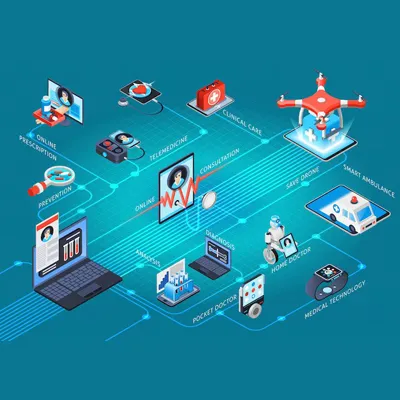
Modern healthcare relies heavily on electronic health records as its central tool. EHR systems have brought substantial changes to both the way care is administered and the way documentation is managed. By 2025, EHR technology will develop rapidly under the influence of regulatory changes, new technologies, and the need for individualized care grounded in value. Here, we consider the primary trends affecting the evolution of EHRs by 2025 and the ways these changes will affect the healthcare industry.
1. Rise of AI-Powered EHRs

A significant move is happening, with AI now truly embedded as a major component within EHR systems. By 2025, EHR systems are being developed to incorporate AI, which supports more informed medical decisions, lowers data entry effort, and enhances patient care.
Key AI applications in EHRs:
• Predictive analytics: Machine learning models review patient data from the past, thereby helping to predict health problems and allow for preventive strategies.
• Clinical decision support (CDS): In real time, AI tools offer clinicians suggested treatments and warn them about possible medication interactions.
• Voice-to-text and NLP tools: By using Natural Language Processing, spoken clinical notes are now translated into digital, organized documentation by the EHR..
• Pattern recognition: Algorithms can spot deviations in electronic records that can alert clinicians to conditions that have not been identified.
AI solutions not only raise the precision of healthcare activities, but also reduce cash on habitual procedures, letting doctors spend more time taking care of patients.
2. Interoperability Becomes a Reality
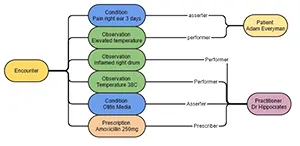
Even after many years of effort from industry stakeholders, seamless exchange of health information between different systems has persistently been a major challenge. Moreover, in 2025, interoperability has advanced greatly as a result of persistent application of the 21st Century Cures Act and the wider adoption of Fast Healthcare Interoperability Resources (FHIR) standards.
Current interoperability developments include:
• National data exchange frameworks: Cross-jurisdiction and platform data exchange is being supported by ongoing efforts such as Trusted Exchange Framework and Common Agreement (TEFCA), the Trusted Exchange Framework and Common Agreement.
• Standardized APIs: Most EHR systems now include FHIR-based APIs that support secure sharing of data with external applications.
• Patient-controlled data sharing: Now, growing numbers of patients can oversee and exchange their medical data through mobile applications that are connected to their provider’s digital health record.
The drive towards interoperability is obstructing data isolation and supporting more cohesive and coordinated healthcare environments.
3. Cloud-Based and SaaS EHR Platforms

As early as 2025, many healthcare organizations will have migrated their EHR systems from local servers to SaaS platforms in the cloud. It provides the ability to scale smoothly, reduce infrastructure costs, and enjoy easier adoption of latest advances.
Advantages of cloud-based EHRs:
• Lower infrastructure costs: The need for locally installed and expensive software infrastructure no longer exists.
• Automatic updates: Improvements in both functionality and security become available as they happen.
• Remote access: No matter where clinical staff are located, data is available to them in a secure environment.
• Disaster recovery: Redundant systems inside the EHR reinforce both data safety and the ability to recover data efficiently.
Major EHR vendors such as Epic, Cerner, and Athenahealth are developing their cloud solutions, at the same time as smaller SaaS providers win over customers in ambulatory care and specialty practices.
4. Enhanced Patient Engagement Tools
Medical care providers are giving patients increasing responsibility in their health care. Modern electronic health records are transforming to reflect this change by supplying improved patient portals and mobile applications for better communication and transparency.
Notable 2025 patient engagement features:
• Mobile health integration: EHR systems now support data transfer from wearables including Apple Watch and Fitbit to instantly record real-time information.
• Personalized health dashboards: Patients have access in the portal to their testing outcomes, medication prompts, and healthcare guidance matched to their needs.
• Secure messaging: Two-way communication is simplified by providing EHR-linked applications.
• Self-scheduling and bill pay: An automation strategy is used to manage administrative duties within patient portal systems.
Interaction with user-friendly tools encourages patients to adhere better, improves their satisfaction, and leads to stronger clinical performance.
5. EHR Usability Gets a Makeover
The widespread issue of poor EHR usability remains one of the main sources of burning out and reducing efficiency in the clinical world. By 2025, the approach to EHR design will center more heavily on the specific needs of healthcare professionals.
Usability enhancements in 2025:
• Customizable dashboards: Displaying different screens based on user permissions provides convenience when using the system and reduces screen clutter.
• Smart templates: Clinicians experience fewer repetitive tasks when adaptive templates reduce redundancy and speed up their documentation process.
• Voice commands and AI scribes: A great number of EHR vendors have incorporated Nuance’s Dragon Medical One for seamless dictation.
• Gesture-based or touch-optimized interfaces: They prove particularly useful for clinicians working on mobile or tablet devices at patient bedside.
Healthcare IT vendors are engaging clinicians during the design phases so that the systems truly meet everyday requirements.
6. Integration with Digital Therapeutics and Remote Monitoring

As healthcare technology develops, electronic health records (EHRs) are incorporating modules aimed at DTx and RPM. These features serve to unify care models that are either episodic or continuously delivered.
Examples of integration:
• Chronic disease monitoring: Readings from blood pressure cuffs, glucose monitors, and pulse oximeters are transferred instantly into the patient’s EHR.
• Behavioral health support: DTx applications targeted at mental health are connected to the patient record, supporting overall health management
• Virtual visits data integration: Telehealth consultation notes and recordings are automatically added to the patient’s EHR record for review.
This integration gives healthcare providers a richer and more flexible way to track patient health over the course of care.
7. Data Security and Privacy Innovation
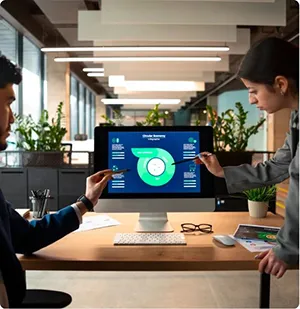
Due to evolving and more advanced cyber risks, EHR vendors are taking extra steps to secure their systems in 2025. HIPAA compliance along with emerging global data privacy standards (such as GDPR and the DPDP Act in India) must be taken more seriously than before.
Key EHR security features in 2025:
• Zero Trust Architecture (ZTA): A unified protocol enforces constant evaluation of user authentication as well as their levels of authorization.
• Multi-factor authentication (MFA): All forms of access are regulated in the same way.
• Blockchain for audit trails: Immutable records of who accessed what data and when.
• Real-time threat detection: These tools use artificial intelligence to spot unusual activity as soon as it happens.
These developments are designed to safeguard patient data and also foster greater trust with patient populations.
8. Personalized Medicine and Genomic Data Integration
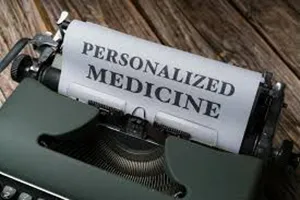
Growing adoption of personalized medicine, especially for oncology and rare diseases, means EHRs are now including genomic information to guide personalized treatment.
How EHRs are adapting:
• Storage of whole genome sequences: The addition of genomic data is tied to patient profiles for analysis down the line.
• Clinical decision support for genetics: Gene-drug interaction or hereditary alert.
• Precision oncology workflows: Integration with lab systems to manage biomarker test and targeted therapy.
This trend is actually helping clinicians go beyond “one size fits all” care and provide precision treatments based on individual profiles of the patients.
9. Automation and Robotic Process Integration

Smartening up of EHRs in the year 2025 through automation of administrative functions especially in billing, coding, and compliance documentation.
Examples of automation use cases:
• Auto-coding and billing: EHRs give the appropriate medical codes’ suggestions based on documentation.
• Insurance eligibility checks: Computerized benefit and coverage verification.
• Regulatory reporting: Easy integration of quality and compliance data to CMS and public health organizations.
These improvements eliminate human errors and allow the staff to concentrate on value-adding activities.
10. EHR Vendor Landscape is consolidating and diversifying

Both consolidation and diversification are observed on the EHR market in 2025. The big hospital system players such as Epic and Cerner are dominant while small vendors are exploding for specialty clinic, behavioral health, and home care.
Market trends:
• Acquisitions and partnerships: The giants in the technology business (such as Microsoft, Amazon, and Google) are entering the sphere through partnerships and acquisitions.
• Modular EHR systems: Providers today can now piece the functionalities of EHR like building blocks based on their requirements.
• Open-source EHRs: There is an increase in adoption in low-resource environments, as well as startups.
That changing vendor environment is an indicator of the need to be flexible, scalable and cost-effective.
Conclusion
By 2025, the EHR technology experiences an inflexion point – it is no longer a digital version of a recordkeeping system, but a dynamic, smart platform at the core of clinical, operational, and patient engagement strategy. From AI and cloud computing to precision medicine and remote monitoring, the modern trends are transforming the interaction between healthcare providers and data and the way they provide care.
Those healthcare organizations that adopt these innovations will be in a better position to achieve better outcomes and better efficiency and respond to the mounting expectations that are thrown their way by patients and regulators. While the EHRs are rapidly developing, the emphasis should be made on usability, interoperability, and patient-centric design to fully open the potential of the EHRs to breakthrough.