
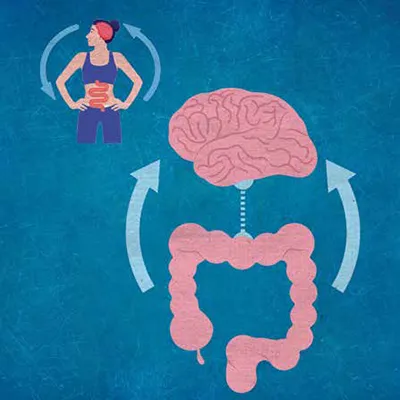
The human body is an intricate network of interconnected systems, each influencing and being influenced by the others. Among these complex interactions, the relationship between the gut and the brain, known as the Gut-Brain Axis (GBA), stands out for its profound impact on overall health. Traditionally, the brain has been considered the command centre for bodily functions and psychological states. However, emerging research reveals that the gut plays a significant role in regulating not only physical health but also mental well-being. This bidirectional communication system between the gut and the brain involves neural, hormonal, and immunological pathways that form a sophisticated network of interaction.
The gut, often referred to as the "second brain," houses an extensive network of neurons known as the enteric nervous system (ENS), which communicates directly with the central nervous system (CNS). This communication is facilitated by the vagus nerve, a major component of the parasympathetic nervous system. Additionally, the gut is home to trillions of microorganisms collectively known as the gut microbiota. These microorganisms perform essential functions, including the synthesis of vitamins, digestion of complex carbohydrates, and modulation of the immune system.
One of the most intriguing aspects of the GBA is the production of neurotransmitters by gut microbiota. Neurotransmitters such as serotonin, dopamine, and gamma-aminobutyric acid (GABA) are crucial for regulating mood, anxiety, and cognitive functions. Remarkably, about 90% of the body's serotonin is produced in the gut, emphasising the gut's significant role in mood regulation. Dysbiosis, or an imbalance in the gut microbiota, has been linked to various psychological disorders, including depression, anxiety, and irritable bowel syndrome (IBS).
The relationship between gut health and mental well-being is not merely a one-way street. Psychological stress can alter gut microbiota composition, leading to increased intestinal permeability, inflammation, and subsequent changes in brain function. This bidirectional communication suggests that maintaining gut health is crucial for mental well-being, and vice versa. The GBA thus represents a paradigm shift in understanding the etiology of mental health disorders and offers new avenues for treatment.
The implications of the GBA for mental health are vast and transformative. Traditional psychological interventions have primarily focused on cognitive and behavioural aspects of mental health, often overlooking the physiological components. However, by integrating knowledge of the GBA into mental health care, psychologists can develop more holistic and effective treatment strategies. For instance, dietary interventions that promote a healthy gut microbiome can complement cognitive-behavioural therapy (CBT) and other psychological treatments, providing a more comprehensive approach to mental health care.
This article delves into the science behind the Gut-Brain Axis, exploring how gut microbiota influence mental health. It examines the implications of this relationship for psychological practise, highlighting the potential for integrated treatment plans that address both physical and psychological aspects of mental well-being. Additionally, the article discusses future directions in GBA research, emphasising the need for continued interdisciplinary collaboration to fully understand and harness the therapeutic potential of the GBA. By embracing this integrative perspective, psychologists and other mental health professionals can enhance the efficacy of their interventions and contribute to a more holistic approach to mental health care.
The Science Behind the Gut-Brain Axis
As mentioned, the GBA consists of multiple pathways through which the gut and brain communicate. These include the nervous system, particularly the vagus nerve, the endocrine system, and the immune system. Central to this communication network are the gut microbiota, a diverse community of microorganisms residing in the gastrointestinal tract. These microbiota produce a variety of substances, including neurotransmitters like serotonin and dopamine, which are crucial for regulating mood and cognitive functions.
Research indicates that an imbalance in gut microbiota, known as dysbiosis, can significantly affect brain function and behaviour. This connection becomes evident in conditions such as irritable bowel syndrome (IBS), where patients often experience heightened levels of anxiety and depression. Studies also suggest that probiotics and prebiotics, which help maintain a healthy gut microbiome, can have positive effects on mental health, further supporting the link between gut health and psychological well-being.
Implications for Mental Health
Understanding the GBA's role in mental health provides a compelling argument for incorporating gut health into psychological interventions. Traditional psychological approaches focus primarily on cognitive and behavioural aspects of mental health. However, recognising the physiological underpinnings of conditions like anxiety, depression, and stress related disorders allows for more comprehensive treatment plans.
For instance, dietary interventions aimed at promoting a healthy gut microbiome can be considered as complementary to cognitive behavioural therapy (CBT) and other psychological treatments. Mindfulness practises and stress-reduction techniques can also benefit from an awareness of the GBA, as stress is known to alter gut microbiota composition negatively.
Mental Well-Being and the Gut-Brain Axis
Mental well-being encompasses a range of positive psychological states, including happiness, resilience, and a sense of purpose. The GBA plays a critical role in maintaining these states by influencing various mental health aspects:
1. Mood Regulation: The gut microbiota produced neurotransmitters like serotonin, often referred to as the happy hormone. About 90% of serotonin is produced in the gut, underscoring the importance of gut health in mood regulation. Dysbiosis can lead to reduced serotonin levels, contributing to mood disorders such as depression and anxiety.
2. Stress response: The GBA influences the body’s stress response by modulating the hypothalamic-pituitary-adrenal (HPA) axis. Chronic stress can disrupt gut microbiota balance, leading to increased inflammation and altered brain function. By maintaining a healthy gut microbiome, individuals may experience a more balanced stress response and reduced symptoms of stress-related disorders.
3. Cognitive Function: Cognitive functions such as memory, learning, and decision-making are also linked to gut health. Emerging research suggests that gut microbiota can influence cognitive processes by producing neuroactive compounds and modulating neuroinflammation. Supporting gut health through diet and lifestyle can thus enhance cognitive well-being.
4. Sleep Quality: Gut health impacts sleep quality, which is crucial for overall mental well-being. Microbiota influence the production of sleep-regulating hormones and neurotransmitters. Dysbiosis can lead to sleep disturbances, which in turn exacerbate mental health issues. Addressing gut health can promote better sleep and improve mental resilience.
Practical Applications in Therapy
In practise, psychologists can adopt several strategies to address the GBA in their therapeutic work:
1. Nutritional Guidance: Collaborate with dietitians to provide clients with nutritional advice that supports gut health, emphasising the consumption of fibre-rich foods, probiotics, and prebiotics.
2. Psychoeducation: Educate clients about the GBA and its impact on mental health, empowering them to make informed choices about their diet and lifestyle.
3. Holistic Assessment: Include questions about digestive health and dietary habits in intake assessments to gain a fuller picture of clients’ overall well-being.
4. Integrated Treatment Plans: Work alongside medical professionals to develop integrated treatment plans that address both psychological and physiological aspects of mental health conditions.
5. Stress Management: Incorporate stress reduction techniques such as mindfulness, meditation, and yoga, which can positively affect both gut health and mental well-being.
Future Directions and Research
The field of GBA research is rapidly evolving, with emerging studies continually shedding light on the complex interactions between gut health and the brain. Future research may reveal more specific mechanisms by which gut microbiota influence mental health and identify novel therapeutic targets. Psychologists should stay abreast of these developments to incorporate the latest findings into their practise effectively.
Several promising areas for future research and application include:
1. Personalised Nutrition Plans: Developing personalised nutrition plans based on individual gut microbiome profiles could enhance mental health outcomes. This approach would consider genetic, environmental, and lifestyle factors to tailor dietary recommendations that optimise gut health and, consequently, mental well-being.
2. Psychobiotics: The exploration of psychobiotics—probiotics and prebiotics that have a positive effect on mental health—holds great potential. Future research can identify specific strains of bacteria that are most beneficial for treating various psychological disorders, leading to targeted probiotic therapies.
3. Microbiome Transplants: While still experimental, fecal microbiota transplants (FMT) offer a novel approach to restoring gut health. Research into the safety, efficacy, and ethical considerations of FMT for mental health conditions could pave the way for new treatments.
4. Neuroimaging Studies: Advanced neuroimaging techniques can provide deeper insights into how changes in the gut microbiome affect brain structure and function. Longitudinal studies using these techniques could elucidate the causal pathways linking gut health and mental health.
5. Behavioural Interventions: Investigating how behavioural interventions, such as exercise and sleep hygiene, impact the gut microbiome and mental health could inform more comprehensive treatment plans. Integrating these interventions with traditional psychological therapies might offer synergistic benefits.
6. Public Health Initiatives: Large-scale public health initiatives aimed at improving gut health through diet and lifestyle changes could have widespread mental health benefits. Education campaigns and community programmes promoting gut-friendly habits could reduce the prevalence of mental health disorders.
7. Cross-Disciplinary Collaboration: Encouraging collaboration between psychologists, neuroscientists, gastroenterologists, and nutritionists can foster a more holistic understanding of the GBA. Interdisciplinary research and clinical practises can lead to more effective and integrative approaches to mental health care.
Conclusion
In conclusion, the Gut-Brain Axis offers a fascinating insight into the interconnectedness of bodily systems and their collective impact on mental health. By acknowledging and integrating this connection into psychological practise, we can enhance the efficacy of mental health interventions and promote a more holistic approach to well-being. This paradigm shift not only broadens our understanding of mental health disorders but also paves the way for innovative and integrative treatment strategies.
The potential for personalised and targeted therapies based on gut microbiome profiles opens up new avenues for treating a variety of mental health conditions. As research progresses, we may discover more specific gut microbiota profiles associated with different psychological disorders, allowing for more precise interventions. The role of diet, lifestyle, and even psychobiotics in maintaining mental well-being highlights the importance of a holistic approach that considers both physical and psychological factors.
Moreover, the integration of GBA knowledge into public health strategies can lead to preventative measures that enhance overall societal well-being. By promoting gut health through education and community programmes, we can potentially reduce the incidence of mental health disorders and improve the quality of life for many individuals.
As we continue to explore the depths of the GBA, psychologists and other mental health professionals have a unique opportunity to expand their therapeutic toolkit, embracing a more comprehensive understanding of mental well-being that incorporates the profound influence of gut health. This integrative perspective promises a future where mental health care is more effective, personalised, and holistic, ultimately leading to better outcomes for those we serve.
References
1. Mayer, E. A., Knight, R., Mazmanian, S. K., Cryan, J. F., & Tillisch, K. (2014). Gut Microbes and the Brain: Paradigm Shift in Neuroscience. The Journal of Neuroscience, 34(46), 15490–15496.
2. Carabotti, M., Scirocco, A., Maselli, M. A., & Severi, C. (2015). The gut-brain axis: interactions between enteric microbiota, central and enteric nervous systems. Annals of Gastroenterology: Quarterly Publication of the Hellenic Society of Gastroenterology, 28(2), 203–209.
3. Foster, J. A., & McVey Neufeld, K. A. (2013). Gut–brain axis: how the microbiome influences anxiety and depression. Trends in Neurosciences, 36(5), 305–312.
4. Mohajeri, M. H., La Fata, G., Steinert, R. E., & Weber, P. (2018). Relationship between the gut microbiome and brain function. Nutrition Reviews, 76(7), 481–496.
5. Poutahidis, T., & Erdman, S. E. (2016). Probiotic Bacteria Modify the Tumor Microenvironment. Cancer Research, 76(1), 8–11.
6. Cryan, J. F., & Dinan, T. G. (2012). Mind-altering microorganisms: the impact of the gut microbiota on brain and behaviour. Nature Reviews Neuroscience, 13(10), 701–712.
7. Dinan, T. G., & Cryan, J. F. (2017). Gut instincts: microbiota as a key regulator of brain development, ageing and neurodegeneration. Journal of Physiology, 595(2), 489–503.