
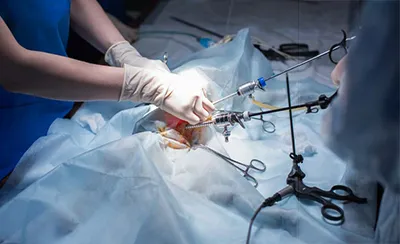
Minimally Invasive Surgery: Revolutionizing Modern Medicine
Minimally invasive surgery (MIS) has emerged as one of the most significant advancements in modern medicine, offering patients a safer and more efficient alternative to traditional open surgeries. By utilizing state-of-the-art technology and innovative techniques, MIS has transformed the surgical landscape, improving patient outcomes and reducing recovery times.
Key Features of MIS
1. Small Incisions: Typically, MIS requires incisions no larger than a few millimeters, reducing scarring and the risk of infection.
2. Advanced Imaging: High-definition cameras and imaging systems allow surgeons to view the surgical site in great detail and in magnification also.
3. Precision Tools: Instruments like robotic arms and energy devices enhance accuracy and minimize damage to surrounding tissues.
Benefits of Minimally Invasive Surgery
The adoption of MIS techniques has brought numerous advantages for both patients and healthcare providers:
• Reduced Pain: Smaller incisions result in less trauma to the body, leading to reduced postoperative pain.
• Faster Recovery: Patients undergoing MIS often return to normal activities sooner than those recovering from open surgery.
Minimally Invasive Surgery: Revolutionizing Modern Medicine
In recent decades, minimally invasive surgery (MIS) has emerged as a transformative approach in modern healthcare, redefining how surgeons treat various conditions. By utilizing smaller incisions, specialized tools, and advanced technology, MIS minimizes the physical and psychological impact of surgery on patients. This evolution in surgical practice offers numerous benefits, including shorter hospital stays, reduced pain, quicker recovery, and improved overall outcomes.
This article dives into the principles of MIS, its techniques, applications, and the profound impact it has had on patients and healthcare systems worldwide.
What is Minimally Invasive Surgery?
Minimally invasive surgery refers to procedures performed through small incisions or natural body openings, with the help of precision instruments and advanced imaging systems. Unlike traditional open surgeries, which often require large incisions for access, MIS prioritizes reducing trauma to the body while achieving the same or superior clinical outcomes.
The key modalities in MIS include:
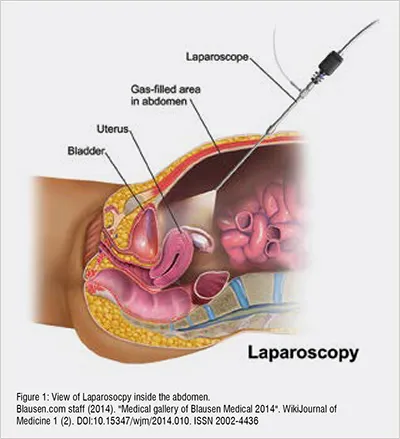
1. Laparoscopy: A surgical technique involving small incisions through which a camera (laparoscope) and specialized instruments are inserted to perform procedures inside the abdomen or pelvis. Fig 1
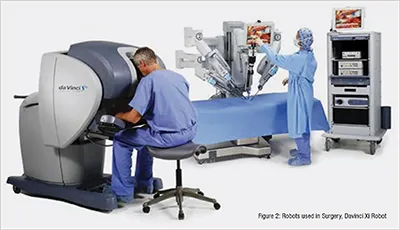
2. Robotic-Assisted Surgery: Using robotic systems, such as the da Vinci Surgical System, surgeons can perform complex operations with enhanced precision, flexibility, and control. Robotic surgery adds the edge of giving 3D visualization as well. Fig 2
3. Endoscopy: This approach involves inserting a thin, flexible tube with a camera into natural openings, such as the gastrointestinal tract, to perform diagnostic and therapeutic procedures.
Principles and Techniques of MIS
The success of MIS relies on its adherence to several principles, including precision, visualization, and minimal disruption of normal tissues. Some of the core techniques include:
1. Small Incisions and Trocar Ports
MIS typically involves incisions as small as 5-12 millimeters, through which trocar ports are inserted. These ports serve as entry points for instruments and cameras, minimizing tissue damage and reducing the risk of infection.
2. High-Definition Visualization
Advanced cameras provide surgeons with high-definition, magnified views of the surgical field, often in 3D, ensuring unparalleled precision and safety during the procedure.
3. Energy Devices
Tools like harmonic scalpels, electrocautery, and advanced sealing devices allow for precise cutting and coagulation, minimizing blood loss and enhancing surgical efficiency.
4. Robotics and Artificial Intelligence
Robotic systems enable surgeons to perform highly complex procedures with fine control and minimal tremor. Artificial intelligence (AI) further enhances decision-making by providing real-time data and predictive analytics.
Benefits of Minimally Invasive Surgery
The adoption of MIS techniques has revolutionized patient care, offering a host of advantages over traditional open surgery:
1. Reduced Pain and Trauma
Smaller incisions and reduced tissue manipulation result in less postoperative pain, minimizing the need for strong analgesics like opioids. This also reduces the risk of complications related to pain management, such as dependency or gastrointestinal distress.
2. Quicker Recovery Times
MIS allows patients to resume daily activities and return to work sooner. This is especially beneficial in procedures like laparoscopic cholecystectomy or hernia repair, where hospital stays are significantly shorter compared to open techniques.
3. Minimized Scarring
Small incisions lead to minimal scarring, offering aesthetic and psychological benefits, particularly for young or self-conscious patients.
4. Lower Risk of Infection
Smaller wounds reduce exposure to environmental contaminants, lowering the risk of surgical site infections, a leading cause of postoperative morbidity.
5. Shorter Hospital Stays and Reduced Costs
Faster recovery and lower complication rates translate to shorter hospital stays. While the initial cost of MIS equipment may be higher, it ultimately reduces overall healthcare expenditures by minimizing complications and readmissions.
Applications of Minimally Invasive Surgery
MIS is now a cornerstone in a wide range of medical specialties. Below are some of its most significant applications:
1. General Surgery
• Gallbladder Removal (Cholecystectomy): Laparoscopic cholecystectomy is the gold standard for treating gallstones and gallbladder disease.
• Hernia Repair: MIS techniques reduce recurrence rates and allow for faster recovery compared to open repair.
2. Bariatric Surgery
Obesity surgery, such as sleeve gastrectomy and Roux-en-Y gastric bypass (RYGB), has been revolutionized by MIS. Patients benefit from reduced pain, faster weight loss, and fewer complications.
3. Gynecology
MIS is widely used in gynecological procedures, including hysterectomy, myomectomy, and endometriosis surgery. These techniques preserve fertility and reduce recovery times for patients.
4. Urology
• Prostate Surgery: Robotic-assisted prostatectomy is a standard of care for prostate cancer, offering better outcomes in terms of continence and sexual function.
• Kidney Surgery: Partial and total nephrectomies are routinely performed using MIS techniques.
5. Orthopedics
Arthroscopic surgery, a form of MIS, is used to treat joint conditions like ligament tears, arthritis, and cartilage injuries.
6. Cardiothoracic Surgery
• Heart Valve Repair: MIS techniques allow surgeons to repair or replace heart valves through small incisions, avoiding the need for open sternotomy.
• Lung Surgery: Video-assisted thoracoscopic surgery (VATS) is used for conditions like lung cancer and pleural diseases.
7. Gastrointestinal Surgery
MIS has revolutionized procedures such as colectomy, appendectomy, and anti-reflux surgery, enhancing patient outcomes and minimizing complications.
Challenges in Minimally Invasive Surgery
Despite its advantages, MIS presents several challenges:
1. Steep Learning Curve
Surgeons require extensive training to master MIS techniques, as the lack of tactile feedback and the reliance on visual cues can be difficult for beginners.
2. High Equipment Costs
Advanced MIS equipment, including robotic systems, is expensive, which can limit access in low-resource settings.
3. Procedure Complexity
Certain conditions, such as advanced-stage cancers or extensive adhesions from prior surgeries, may not be suitable for MIS.
4. Risk of Conversion to Open Surgery
In some cases, unexpected complications or anatomical challenges may necessitate conversion to open surgery, prolonging the procedure and recovery time.
The Role of Robotics in MIS
Robotic-assisted surgery has further pushed the boundaries of MIS by enhancing precision, ergonomics, and versatility. Robotic platforms offer features such as:
• Enhanced Visualization: Surgeons can view the operative field in 3D, with up to 10x magnification.
• Increased Dexterity: Robotic arms mimic human hand movements, allowing for greater flexibility and control.
• Reduced Fatigue: Surgeons operate from a console, reducing physical strain during lengthy procedures.
Despite its high initial cost, robotic-assisted MIS is increasingly being adopted worldwide due to its potential to improve patient outcomes in complex cases.
Future Trends in Minimally Invasive Surgery
The future of MIS is poised for continued innovation, with several exciting developments on the horizon:
1. Artificial Intelligence (AI) Integration
AI-powered tools are being developed to assist surgeons by analyzing real-time data, identifying anatomical structures, and predicting potential complications.
2. Augmented Reality (AR) and Virtual Reality (VR)
AR and VR are being incorporated into surgical training and intraoperative guidance, allowing surgeons to plan and perform procedures with unprecedented accuracy.
3. Nanotechnology
Nanorobots and nanoscale imaging systems are being explored for their potential to revolutionize the diagnosis and treatment of diseases at the cellular level.
4. Tele-surgery and Remote Operations
With advancements in 5G connectivity, remote robotic surgery is becoming a reality, enabling expert surgeons to operate on patients in distant locations.
Conclusion
Minimally invasive surgery represents a paradigm shift in modern healthcare, prioritizing patient comfort, safety, and efficiency without compromising surgical outcomes. Its applications span nearly every medical specialty, improving the lives of millions worldwide. While challenges such as training requirements and high costs persist, ongoing advancements in technology, robotics, and AI promise to further expand the reach and capabilities of MIS.
As we move forward, minimally invasive techniques will continue to set the standard for surgical care, ensuring that patients receive the most effective treatments with the least disruption to their lives.