
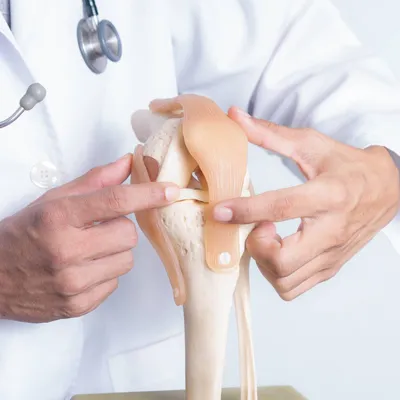
It is recognized that orthopedic surgery has been the foundation of the surgical specialty which deals with a wide range of musculoskeletal diseases including traumatic accidents and degenerative joint diseases. Now-a-days, the specialty is experiencing a radical change. With breakthroughs in innovation, demographic change and changing patient demands, orthopedic surgery is more customized, less invasive, and extremely digitalized.
This article takes an inside perspective on the trends and trends that exist and will develop orthopedic surgery practice in the world today providing a more optimistic outlook on the direction orthopedic surgery can go and how health professionals, sector innovators, and clinical authorities can manage to transition.
Rising Demand and Changing Patient Demographics
One of the major stimulus to the development of orthopedic surgery is the increasing musculoskeletal conditions all over the world. According to the World Health Organization (WHO), more than 1.7 billion individuals experience musculoskeletal diseases and the highly prominent disabling conditions are osteoarthritis, rheumatoid arthritis and spinal diseases.
The demand is driven on two big trends:
1. Aging Population: Due to aging of populations around the world, age related joint degeneration is becoming a major epidemic. Surgeries such as the total knee replacement and hip replacement are no more limited to older citizens only; it is also being done on patients in their 50-s or sometimes, in their late 40s, with better implants lifespan.
2. Active Lifestyles across All Ages: Conversely, younger patients are also after orthopedic interventions in order to be able to be active. The sports associated injuries, overuse syndromes, and minimal invasive repairs to tendons and ligaments are growing in prevalence.
This transition is triggering the reconsideration of the approach towards care of patients. Surgeons are no longer repairing injuries as a way of helping patients get back to high performance and longer-term musculoskeletal health.
Technological Innovations Reshaping Practice
One of the most radical things in orthopedic surgery is the application of an extremely high level of technologies. This is already positioning robotic-oriented surgical procedures, AI-based medical diagnostics, and tailor-made implants, among others, in a new league of accuracy, safety and patient outcomes.
1. Robotics and Navigation Systems
MAKO, ROSA and NAVIO are gaining popularity as robotic-assisted orthopedic systems to support orthopedic procedures including total knee arthroplasty and hip replacements. Through these systems it is possible to:
• Preoperative planning with 3D CT scans
• Intraoperative precision cutting and alignment
• Real-time feedback to minimize errors
Robotic assistance has been demonstrated to increase implant alignment and reduce variability in clinical studies; it is also possible the recovery is faster. Patients are also being attracted by the hospitals marketing such systems because they want technologically advanced treatment systems.
2. Artificial Intelligence and Predictive Analytics
To an increased extent, AI is being utilized in order to:
• Compare MRI/CT scans to detect losses in cartilage or microfractures at an early step.
• Forecast surgical outcomes and post-operative complications based on the data about patients.
• Fill the surgical decision-making feed with algorithm-based information.
To illustrate, machine-based learning tools such as IBM Watson Health are currently being trained to identify commonalities in the tens of thousands of orthopedic cases to allow surgeons to improve their methods of treatment.
3. 3D Printing and Custom Implants
Personalization in orthopedic surgery is not a vision of the future anymore. Additive manufacturing enables the surgeon to make patient-specific implants in complicated reconstruction or bone deficiency. In particular, the 3D-printed implants are transforming outcomes in the fields of oncologic orthopedics and revision arthroplasty.
Anatomical models and custom 3D cutting guides are also 3D printed to pre-plan surgeries, minimizing the time in surgeries, and increasing precision.
Minimally Invasive and Arthroscopic Advances
Orthopedic practices are currently doing minimally invasive procedures. As opposed to traditional open surgeries, these techniques result in:
• Reduced tissue trauma
• Shorter hospital stays
• Less post-operative pain
• Faster recovery and return to activity
The application of arthroscopic surgery is, particularly, evident in repairing injuries of the rotator cuff ACL, and the labral reparation. Arthroscopy is now being proposed by surgeons to other joints other than shoulder and knee such as ankle and elbow up to spine.
An example is endoscopic spine surgery which is a substitute to the regular open spine surgery and features fewer complications and small cuts hence the reason it is a strong growth field.
Biologics and Regenerative Orthopedics
The combination of biologics and regenerative treatments is one of the most appealing areas of orthopedic surgery. These are not only treatment that seek to repair but also heal and regenerate the tissues utilizing the body biological systems.
Key Biologic Therapies Include:
• Platelet-Rich Plasma (PRP): Next, the platelet-rich plasma is injected into the damaged tissues and this speeds the healing process.
• Stem Cell Therapy: Even the damage to tendons and cartilages that occur as a result of other reasons are already being repaired by using the mesenchymal stem cells that are collected either in the adipose tissue or in the bone marrow.
• Bone Morphogenetic Proteins (BMPs): In spinal fusions and fracture healing this can be especially helpful.
The evidence base remains immature but earlier results indicate better healing and a lower rate of revision surgery. The application of such biologics is especially effective in younger or unwilling-to-get-invasive-procedures patients.
Outpatient Orthopedic Surgery and ASC Growth
The trend is the migration of procedure into the ambulatory surgical center (ASC) a trend that is picking up the pace in North America, Europe, and Asia.
Key benefits include:
• Lower costs
• Reduced infection risk
• Greater patient convenience
• Faster turnaround and recovery times
Also, operations like anterior hip replacement, ACL constructions and even spinal decompressions have become common in ASCs.
This is made possible by the increase of enhanced recovery after surgery (ERAS) protocols, multimodal pain management and same-day discharge criteria.
Digital Health, Wearables, and Remote Monitoring
Digital transformation does not confine to the operating room. Wearable sensors, the usage of telemedicine, and remote monitoring platforms are altering patient recovery after a surgical procedure and outcome tracking by the operator of the surgery.
Examples Include:
• Wearable devices such as smart knee braces, shoulder sleeves check the range of motion, strength, and compliance.
• Mobile programs would assist the patients in post-op rehab exercises, pain score tracking, and video consultations.
• Real-time communication of care teams, physical therapists, and patients is possible in cloud-based platforms.
These online tools promote patient experience, minimize re-admissions, and enable surgeons to get involved early in the stage in case of complications.
Value-Based Orthopedic Care and Reimbursement Models
With the change to value-based health care, orthopedic surgery is placed under more pressure to prove cost-effective and long-term result.
Key components of this shift include:
• Bundled Payment Models: Hospitals and surgeons are encouraged to handle the full course of treat - pre-op to 90 days post-op - on a fixed per-head payment.
• Patient-Reported Outcome Measures (PROMs): They are becoming important in terms of success assessment especially in processes such as joint replacements that patients may undergo voluntarily.
• Data-Driven Quality Metrics: Orthopedic registries like the American Joint Replacement Registry (AJRR) offer benchmarking instruments to enable orthopedic programs to enhance the delivery of care.
The surgeons no longer only possess technical expertise but they also have to actively participate in financial and operation decisions so that they can work in line with the larger institutional objectives.
Global Expansion and Access Challenges
Although most of these trends are observed in high-income countries, there has been a rising burden of muscles disorders throughout low- and middle-income countries (LMICs). This is a question that causes one to be puzzled about:
• Access to surgical care in underserved regions
• Training of orthopedic surgeons in LMICs
• Affordable implants and surgical tools
• Tele-mentoring and digital surgical education
Institutions such as the AO foundation and Operation Rainbow are taking crucial roles to enhance global access by conducting capacities, donations, and also by establishing missions by volunteers.
Workforce Evolution and Training Modernization
Last, the orthopedic surgical training itself is evolving. There are new technologies that need new skills:
• The modules of a robot and computer-navigated surgery are being included during residency and fellowship training.
• Simulation and virtual reality (VR) provide a risk-free environment in which a practicing surgeon can work.
• Shared decision-making, outcome communication and other so called soft skills are now included in the curricular updates.
Meanwhile, burnout, work-life balance, and orthopedic surgery diversity are being discussed in practice. As the representation of women and minorities in the field of orthopedics is historically low, the organizations seek the addition of more women and minorities by mentoring them and changing policies.
Conclusion: Orthopedics at a Crossroads of Innovation and Integration
Orthopedic surgical world has reached an inflection point. The industry where hammers, screws and physical fixes used to be commonplace is beginning to become a high-tech, bio-integrated, and results-based expertise.
Orthopedic surgery is changing at the speed of light, between the empowering joints of robots and the realistic output of AI diagnostics, the current trends are coming together fast. As far as medical specialists, hospital systems, providers of medical equipment and health policymakers are concerned; remaining on the cutting edge of these changes is not only desirable - it is needed.
The future of orthopedic surgery does not just lie in the cutting-edge techniques but also on value, accessibility, and customized curing. And in those regards this type of surgery is in the limelight indeed.