
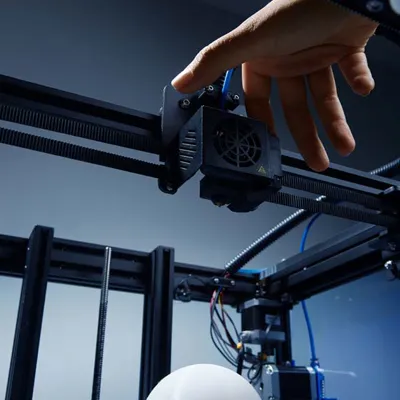
The advent of 3D printing technology has significantly transformed various industries, with healthcare and medical device manufacturing standing out as one of the primary beneficiaries. Traditional methods of producing medical devices often involve long lead times, high costs, and limited customization. 3D printing, however, is breaking these barriers, offering new levels of efficiency, innovation, and patient-specific solutions. By enabling rapid prototyping, personalized implants, and cost-effective production, 3D printing is advancing medical technology. This article explores how this technology is enhancing efficiency in manufacturing and fostering groundbreaking innovations in healthcare.
The Evolution of 3D Printing in Healthcare
3D printing, also known as additive manufacturing, has been around since the 1980s. Initially used for industrial prototyping, its adoption in the medical field gained traction in the early 2000s, with advancements in materials and printing techniques. Over the years, researchers and medical professionals have harnessed its capabilities to develop surgical models, prosthetics, implants, and even bioprinted tissues.
The process involves creating a digital model, which is then printed layer by layer using materials such as plastics, metals, ceramics, and biocompatible substances. This approach allows for intricate designs and highly customized medical solutions tailored to individual patient needs.
Enhancing Efficiency in Medical Device Manufacturing
Efficiency is a crucial factor in medical device production, influencing cost, accessibility, and innovation. 3D printing has introduced several key advantages in this area:
1. Rapid Prototyping and Design Iteration
Traditional prototyping methods require extensive time and resources, often delaying the development of new medical devices. 3D printing allows for rapid prototyping, where multiple iterations of a device can be produced, tested, and refined in a fraction of the time. Engineers and healthcare professionals can quickly evaluate and modify designs, leading to faster approval and market entry.
2. Customization and Patient-Specific Solutions
Medical conditions vary significantly from one patient to another, necessitating customized solutions. 3D printing enables the production of patient-specific implants, prosthetics, and surgical guides tailored to individual anatomical structures. This level of personalization enhances patient outcomes and improves the overall effectiveness of medical treatments.
3. Reduced Costs and Material Waste
Conventional manufacturing processes often result in high material wastage due to subtractive techniques, where excess material is cut away to shape a product. 3D printing is an additive process, minimizing waste by using only the required amount of material. Additionally, on-demand printing reduces the need for large inventories, lowering storage costs and reducing financial risks for manufacturers.
4. Supply Chain Optimization
The ability to produce medical devices locally using 3D printing technology reduces reliance on complex global supply chains. This has proven particularly valuable during crises such as the COVID-19 pandemic when supply chain disruptions affected the availability of essential medical equipment. Hospitals and healthcare providers can print necessary components in-house, ensuring a steady supply of critical devices.
Innovations in Medical Devices Through 3D Printing
3D printing is not only making manufacturing more efficient but also driving groundbreaking innovations in medical technology. Several areas within healthcare are experiencing significant advancements due to this technology:
1. 3D-Printed Implants and Prosthetics
One of the most impactful applications of 3D printing is in the creation of custom implants and prosthetic devices. Unlike mass-produced implants, which may not fit every patient perfectly, 3D-printed implants are tailored to an individual’s unique anatomy, improving comfort and functionality. Examples include:
• Cranial and Orthopedic Implants: Customized titanium implants are used for skull reconstruction and joint replacements, offering better integration with the patient’s bone structure.
• Dental Implants and Aligners: 3D printing is revolutionizing dentistry by enabling the production of custom crowns, bridges, and clear aligners with precise fit and efficiency.
• Limb Prosthetics: Custom prosthetic limbs printed at lower costs provide greater accessibility for patients worldwide, particularly in regions with limited healthcare resources.
2. Bioprinting and Tissue Engineering
Bioprinting is an emerging field that combines 3D printing with biomaterials and living cells to create tissue-like structures. This technology holds immense promise for regenerative medicine. Scientists are exploring the possibility of printing functional tissues and, in the future, entire organs for transplantation. Research into bioprinted skin grafts, cartilage, and blood vessels is already showing encouraging results.
3. Surgical Planning and Training Models
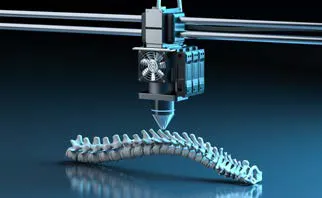
Surgeons use 3D-printed anatomical models to plan complex procedures and practice techniques before operating on patients. These models, created from patient-specific imaging data, provide a realistic representation of anatomical structures, improving surgical precision and reducing the risk of complications. Medical students and professionals also benefit from 3D-printed models for hands-on training, allowing them to practice procedures in a controlled environment.
4. Drug Delivery and Personalized Medicine
3D printing is being explored in pharmaceutical applications to create personalized drug delivery systems. Researchers are developing 3D-printed pills with tailored dosages, enabling more precise treatment regimens based on individual patient needs. This approach has revolutionized how medications are prescribed and administered, leading to better therapeutic outcomes.
Challenges and Future Directions
Despite its numerous advantages, 3D printing in medical devices still faces challenges that need to be addressed. Regulatory compliance remains a key hurdle, as medical devices must meet stringent standards to ensure safety and efficacy, making the approval process for 3D-printed products complex and time-consuming. Material limitations also pose a challenge, as there is a continued need for more biocompatible and durable materials suitable for long-term medical applications. Additionally, scalability remains an issue, with large-scale production of 3D-printed medical devices still in its early stages. Efforts are needed to make the technology more accessible and cost-effective on an industrial scale.
Looking ahead, continuous research and collaboration between healthcare providers, engineers, and regulatory bodies will play a crucial role in advancing 3D printing in the medical field. As material science progresses and regulatory frameworks adapt, an even greater impact of 3D printing in personalized medicine and healthcare innovation is expected.
Conclusion
3D printing is revolutionizing the medical device industry by enabling rapid prototyping, customized patient solutions, and efficient manufacturing processes. Its applications, from personalized implants to bioprinting and surgical models, are transforming healthcare and improving patient outcomes. While challenges remain, ongoing advancements in technology and materials, coupled with regulatory evolution, will pave the way for more widespread adoption. The potential of 3D printing in medicine is vast, and its continued development will lead to even more innovative solutions for patients and healthcare professionals alike.