
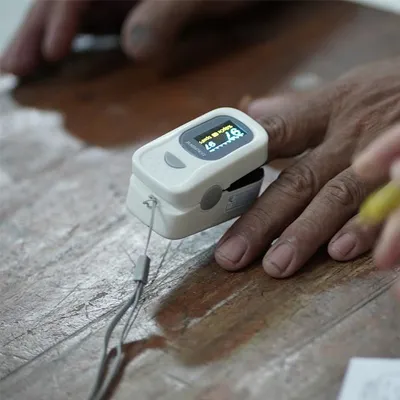
The medical field is changing because of recently developed technologies for medical devices. Advances include items that we can wear or place in the body to monitor health or help with lost functions, changing and expanding medical care. Since people are living longer and more are affected by ongoing diseases, better medical treatments are needed for them. This has prompted the development of new ways to improve the welfare of people and individualize the health care they get.
In the following, we discuss significant changes in therapeutic devices, the factors behind them and the ways they impact healthcare.
The Evolution from Assistive to Intelligent Therapeutic Devices
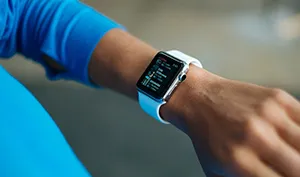
Conventionally, devices for therapy were made to support or take over body functions such as wheelchairs and insulin pumps. Though they were useful, patients had to be involved to use these devices and they could not be customized much. Modern therapeutic devices are now intelligent, automated and networked. Because of developments in sensors, AI and machine learning, these devices can observe a user’s habits, respond immediately and sometimes signal health issues before they take place.
Modern prosthetics have myoelectric sensors and AI to help users move their artificial limbs like real limbs by responding to the muscles they still have. Moving from offering aid passively to acting promptly is considered a major change in the way health care is given.
Devices have evolved past being simply tools for therapy; they act as intelligent partners that can change interventions based on the patient’s condition and feedback.
Wearable Therapeutic Technologies: The Rise of Preventive and Real-Time Care
Innovative therapy now often relies on the use of wearable devices. They have expanded past fitness tracking, today adding functions for treating and managing diseases as well as recovery. With ECG monitoring, blood pressure tracking and oxygen saturation sensors, smartwatches help people with heart and lung conditions monitor their health constantly.
Along with finding problems, wearable devices are now capable of delivering active treatments. Wearables sending electrical pulses to target nerves can aid in migraine treatments, depression and long-term pain. They are meant to be non-invasive, small and straight-forward to use, allowing patients to look after their health with fewer trips to the hospital. Due to wearable exoskeletons, those with spinal cord injuries or stroke can more easily regain their ability to move and become independent again.
Implantable Devices: Precision at the Core of Innovation
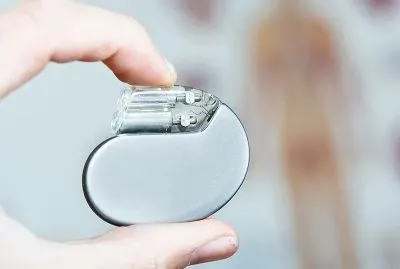
Technologies that can be inserted into the body are still among the biggest innovations in health care. Devices like these give patients continuous, targeted therapy for several conditions which often means they do not have to take daily drugs or see a doctor as often. Although cardiac pacemakers and implantable cardioverter defibrillators (ICDs) are commonly known, advances today are making implants useful for more than just the heart.
Closed-loop spinal cord stimulators were also invented to help people with ongoing pain problems. They always check the brain’s activities and automatically modify the amount of stimulation for constant pain relief. Also, insulin pumps that are placed under the skin are now being upgraded with glucose sensors and AI so they can function as an artificial pancreas by giving insulin automatically whenever it is required.
They are developing DBS devices for Parkinson’s disease, epilepsy and obsessive-compulsive disorder so that they can modify their stimulation patterns according to brain signals which is known as adaptive control.
The Role of Artificial Intelligence and Big Data

Device functionality is being advanced thanks to the help of artificial intelligence and big data analytics. Devices that include AI can review large patient records to identify similarities, predict how diseases develop and advise on suitable treatments for each case. Thus, the outcomes of therapy are better and therapists have more time to handle challenging situations.
Specifically, predictive analytics helps a lot when managing chronic diseases. AI technology is used in insulin delivery systems so that past data on blood sugar, diet and exercise can help foresee any rise in blood sugar and adjust insulin before the level rises. Likewise, in neurostimulation therapies, algorithms are adjusting electrical impulses according to how patients respond which results in fewer side effects and better treatment outcomes.
Furthermore, using cloud platforms helps patients and doctors communicate about health information from different locations. Thus, health teams are able to act quickly if deviations happen and promote teamwork in looking after patients.
Innovations in Material Science and Miniaturization
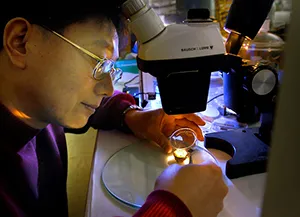
New techniques for getting better information and making things smaller play a big role in creating more devices for therapy.
Because of biocompatible and flexible materials, new devices can easily adapt to the human body and perform efficiently. Because of these materials, there is a lower risk of getting infections or rejecting implanted devices.
Rapid progress in microelectronics and nanotechnology now makes it possible for therapeutic devices to shrink, weigh less and improve how they work. As a result, ingestible devices carrying sensors and drug dispensers can travel through the gastrointestinal tract, gauge patients’ inside health and deliver medication accurately to specific places. In addition, special implants in the eye are being used to manage glaucoma and macular degeneration without having to perform surgery.
It is most important for pediatric and geriatric patients since small differences in size and weight of the equipment can affect both the comfort and the ease of using the devices.
Smaller devices also translate into minimally invasive procedures for implantation, reducing recovery times and healthcare costs.
Teletherapy and Remote Therapeutic Devices
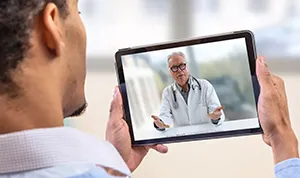
Telehealth and remote patient monitoring are used more now because of the pandemic and therapy machines have responded accordingly.
People are using home ventilators, portable dialysis units and home exercise systems more frequently. Usually, these devices are equipped with video guidance, instant monitoring and artificial intelligence to guarantee they are being used correctly and working well.
Online therapy platforms have added therapy devices that allow users to do guided sessions for their mental health, recovery from injuries and speech therapy. Therapy can take place remotely so that people receive care wherever they are, with healthcare experts overseeing it step by step. In addition to reaching people who live far from facilities, telehealth also raises the chances of patients keeping up with their care because it removes some access issues.
Use of telehealth systems together with therapeutic devices is expected to play a key role in caring for people with ongoing diseases and ensuring home health for senior citizens.
Regulatory Advancements and Reimbursement Landscape

Whenever innovation happens, regulations need to develop as well. The FDA and EMA have taken actions to make it quicker for software and AI-based devices used in medicine to receive approval. One example of this is the FDA’s Breakthrough Devices Program which seeks to move quickly in adopting devices that are more effective at diagnosing or treating major medical concerns.
Reimbursement policies are also adapting to accommodate the value proposition of these devices. As benefits of remote monitoring and customized therapy are noticed, payors are expanding their insurance for advanced treatments. But it is still difficult to set common evidence standards and make sure everyone has access to treatment, especially in countries where resources are very limited.
Ethical Considerations and Patient Empowerment
As technology improves, adding personal data to therapeutic devices, issues of privacy, consent and autonomy start to matter more. People who handle patient data should explain its use to the patient and make sure it is properly protected. Being honest about information and creating a platform for everyone helps to build trust and brings additional users on board.
Looking Ahead: The Future of Therapeutic Devices
There is a bright and active future ahead for therapeutic devices. As 5G, augmented reality and regenerative medicine are developed further, they will probably join current therapies to develop stronger solutions. In this manner, augmented reality in rehabilitation equipment may help patients with recovery by showing them their actions in real time and encouraging them to work steadily.
CRISPR might be included in devices that can change genetic code inside the body to fight diseases. With the progress in BCIs, neurological disorders can be handled much well as the brain no longer needs to function through the body.
Engaging in partnerships between engineering, biology, data science and behavioral psychology is something that therapeutic device industries are expected to do much more.
Such collaborations will support ideas that are based on technology and also sensitive to what patients require.
Conclusion
New developments in healthcare gadgets are helping create personalized, foreseeing and involved healthcare. Thanks to AI and small-scale, wearable or implantable and remote-controlled devices such devices can now greatly transform healthcare. When the industry’s technology advances, it’s important to keep up with accessibility, price and ethics.
This way, the development of innovative medical gadgets can truly improve health and the healthcare of people around the world.