
Cardiovascular diseases (CVDs) have emerged as a leading cause of morbidity and mortality in West Africa, exerting a heavy toll on healthcare systems that are already stretched thin. Despite the rapid evolution of cardiovascular interventions globally, many regions in West Africa, including Liberia, remain underserved, with limited access to diagnostic and interventional cardiology services. The lack of specialized heart care facilities means that conditions such as myocardial infarction (MI), heart failure, and arrhythmias often go undiagnosed and untreated, leading to preventable deaths.
In response to this urgent need, Dr. Aravind, an esteemed interventional cardiologist and recipient of the European Society of Cardiology ESC-EAPCI 2023 Grant for Interventional Cardiology Fellowship, is spearheading an innovative initiative to transform cardiovascular healthcare in the region. His project aims to introduce a mobile catheterization laboratory (Cath-lab) that will bring advanced heart care directly to patients in remote and underserved communities. Additionally, a state-of-the-art permanent Cath-lab facility is planned for Monrovia, Liberia’s capital, to further strengthen the country’s cardiovascular healthcare infrastructure.
The Mobile Cath-Lab: Bridging the Healthcare Gap
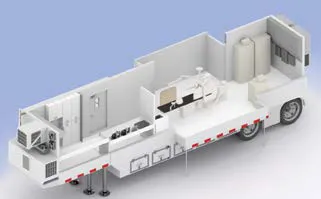
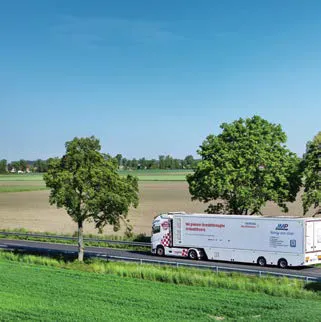
A core component of this initiative is the development of a fully equipped mobile Cath-lab, designed to deliver life-saving cardiac interventions to regions where access to such care is non-existent. Mounted on a specially designed truck, the mobile unit will travel across West Africa, providing critical diagnostic and treatment services, including:
• Electrocardiography (ECG) and echocardiography for early detection of cardiovascular abnormalities.
• Coronary angiography to assess blocked or narrowed arteries.
• Percutaneous coronary interventions (PCI), such as angioplasty and stent placement, to restore blood flow in cases of acute coronary syndromes.
• Pacemaker implantation for patients with severe arrhythmias.
Given that many hospitals in West Africa lack these facilities, the mobile Cath-lab will serve as a beacon of hope, ensuring that patients receive timely medical attention without the need to travel long distances to major cities.
Why Liberia? Understanding the Need
Liberia, like many West African nations, has a fragile healthcare system, with only a handful of hospitals capable of handling complex cardiac cases. The burden of CVDs in the country is rising due to factors such as:
• Changing lifestyles – Increased consumption of processed foods, sedentary habits, and tobacco use are contributing to higher rates of hypertension and diabetes.
• Limited awareness and preventive care – Many individuals are unaware of their heart disease risk factors until they experience severe complications.
• Shortage of specialized cardiologists – With only a few trained cardiologists in the country, patients often face delays in receiving specialized care.
By introducing a mobile Cath-lab and a permanent facility, this initiative aims to bridge these critical gaps and provide high-quality, immediate care to those in need.
Establishing a Permanent Cath-Lab in Monrovia
While the mobile Cath-lab will extend its reach across various communities, the establishment of a permanent Cath-lab in Monrovia will provide a stable, long-term solution for Liberia’s cardiac care needs. This facility will act as a referral center for complex cases, offering:
• Round-the-clock interventional cardiology services to handle emergency cases such as heart attacks.
• Training programs for local physicians and healthcare workers, ensuring sustainability and local expertise development.
• Collaborations with global health organizations to enhance cardiovascular research and patient outcomes.
The facility will not only treat existing patients but also serve as a hub for preventive cardiology, educating the population about lifestyle modifications and risk factor management.
Impact on Healthcare and Society
The introduction of these cutting-edge facilities will have a transformative impact on cardiovascular care in Liberia and beyond:
• Reduced mortality and morbidity – Early diagnosis and timely intervention will help prevent unnecessary deaths from heart disease.
• Decreased financial burden on patients – Many West Africans are forced to travel abroad for cardiac treatment, incurring high medical costs. This initiative will provide affordable care locally.
• Empowerment of local healthcare professionals – By training doctors and nurses in interventional cardiology, the project will build long-term capacity within the country’s health system.
Moreover, this initiative highlights the disparities in global healthcare priorities. While billions are invested in space exploration and other high-tech industries, basic healthcare services remain out of reach for many in underprivileged regions. The mobile Cath-lab project underscores the importance of addressing these imbalances and ensuring that healthcare is recognized as a fundamental human right.
Challenges and the Road Ahead
Implementing such an ambitious project comes with its own set of challenges:
1. Infrastructure and Logistics – Transporting and maintaining a mobile Cath-lab in regions with poor road conditions and limited electricity supply will require meticulous planning.
2. Funding and Sustainability – While initial funding may come from grants and donors, long-term sustainability will require strategic partnerships with governments and non-profit organizations.
3. Regulatory Approvals – Compliance with local health policies and obtaining necessary approvals for operating a mobile medical unit will be crucial.
Despite these challenges, Dr. Aravind and his team are committed to making this vision a reality. With careful planning, strong partnerships, and community engagement, the project is set to launch in 2025, bringing revolutionary change to cardiovascular healthcare in West Africa.
Conclusion
The mobile Cath-lab and the dedicated facility in Monrovia represent a groundbreaking approach to tackling the cardiovascular disease burden in West Africa. By combining mobility with permanent infrastructure, this initiative will ensure that even the most remote communities have access to life-saving heart care.
As the world progresses towards futuristic advancements, we must not forget the fundamental healthcare needs of underprivileged populations. This project serves as a call to action for policymakers, healthcare professionals, and global health advocates to prioritize equitable access to medical care.
By pioneering this initiative, Dr. Aravind and his team are not only saving lives but also setting a precedent for future innovations in mobile healthcare. Their work will inspire similar efforts across the continent, ultimately transforming the landscape of cardiovascular care in Africa.