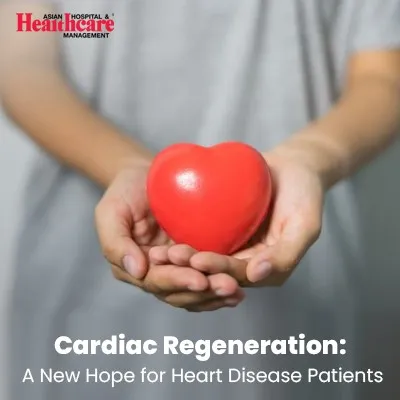
Cardiac Regeneration: A New Hope for Heart Disease Patients

Kate Williamson
Editorial Team, Asian Hospital & Healthcare Management
Cardiac regeneration provides new hope for heart disease patients with the help of stem cells, gene therapy, tissue engineering, and extracellular vesicles. Such strategies are focused on reviving heart circulation, preventing possible adverse effects, and improving the patients’ quality of life, offering millions of people worldwide new opportunities affected by heart conditions.
Introduction:
Cardiovascular diseases continue to be the leading cause of death worldwide, resulting in many deaths each year. The conventional methods of treatment, including drugs, changes in the patient's diet, radiation, chemotherapy, and operations through the years, have parried symptoms and alleviated the comfort of the patients. However, these approaches do not address the root cause of the problem: the extent of the damage to the heart muscle. There is a promising approach to cardiac regeneration, which is the process of restoring the tissue of the heart to its natural functions.
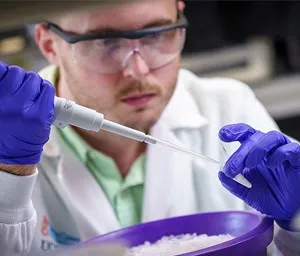
Therefore, heart disease patients have a new chance of hope. This article further explains how this process of cardiac regeneration works, the advantages that it has, and its prospects in the future.
Understanding cardiac regeneration
Cardiac regeneration means the process of replacing or repairing the heart muscles and thereby returning the proper working condition of the heart. The heart actually has a very low capacity to repair itself without the help of professional intervention, which is much more pronounced when dealing with a large-scale trauma such as a heart attack. Scientists and medical professionals are coming up with new procedures to target the heart’s inherent healing mechanisms or bring in new, healthier cells to the affected regions.
Methods of Cardiac Regeneration
1. Stem Cell Therapy: New cells can be produced similarly to stem cells, and as a result, they have the potential to become heart cells. Scientists are trying to develop the step-by-step process of stem cell treatments to restore the muscles in the heart. Several types of stem cells are being studied for this purpose:
- Embryonic stem cells: These type of cells have the ability to make any type of cell, including heart cells. However, ethical issues and the possibility of developing tumors are among the drawbacks.
- Induced Pluripotent Stem Cells (iPSCs): These cells undergo all the behaviors of the embryonic stem cells. They don’t possess any ethical problems but may face technical issues.
- Adult Stem Cells: Found in various tissues, including bone marrow and fats, some of these can turn into heart cells and are considered optimal for most uses.
2. Gene Therapy: This particular approach seeks to inject certain genes that have the capacity to help the heart cells repair and regenerate. Researchers are determining which genes promote the healing of the damaged heart or prevent other damage to it.
3. Tissue Engineering: Currently, there is research in progress by scientists who are creating functional tissues of cardiac nature in a laboratory that can be used as substitutes in the damaged regions of the human heart. This mostly entails growing an artificial structure that has the same structural architecture as that of the heart muscles and then culturing heart cells that possess similar characteristics to the normal ones.
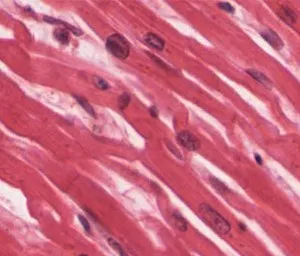
4. Extracellular Vesicles (EVs): EVs are nanovesicles that are derived from cells and move throughout the body as proteins, lipids, and genes. These are vital in cell signaling and can elicit the repair of tissues. Scientists are also working on how to use the EVs to convey stimulating signals to the ailing heart muscles.
Benefits of Cardiac Regeneration
a. Improved Heart Function: Cardiac regeneration therefore impacts tissue renovation in the heart musculature, with subsequent enhancement of the heart pumping properties and reduction of heart failure patients’ manifestations.
b. Reduced Risk of Complications: Most treatments are aimed only at reducing the symptoms of the disease and do not prevent the disease process from worsening. Cardiac regeneration targets the core of the problem, thus reducing or eradicating the chances of the re-emergence of events such as abnormal heartbeats or subsequent heart attacks.
c. Enhanced Quality of Life: Perhaps these patients will be able to gain a large increase in function, exercise capacity, and, hence, the overall condition of life.
d. Potential to Reduce Healthcare Costs: Improvement of the technique and making it available to patients can shift the direct burden associated with the costs of chronic heart diseases over the long term, where the heart can be regenerated.
Challenges and Future Prospects
Cardiac regeneration may be regarded as a very promising approach, yet certain issues should be resolved in order to make it a standard practice.
Safety and Efficacy: The therapies that refer to regenerative medicine should be safe and effective; hence, it is very important to ensure that the therapies are suitable in both ways. This happens in preclinical and clinical trials to determine any advantages or disadvantages that the drug can pose.
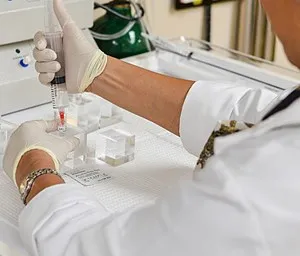
Scalability and Accessibility: The introduction of low-cost technologies for the production and delivery of regenerative medicines at the population level is also important to provide patients’ access to the therapies.
Ethical Considerations: This section will focus on the ethical effects that are mandatory to prevent, especially the use of embryonic stem cells. These issues can be overcome by finding iPSCs, a class of stem cells, apart from embryonic stem cells.
Regulatory Approval: Almost all regenerative therapies have been discovered, and their clinical application presupposes the mandatory passage of the relevant regulatory evaluation before one can apply the therapy to the market.
Nevertheless, the area of cardiac regeneration is quickly developing, and researchers are on their way to find the methods of successful heart regeneration. Clinicians and scientists are always discovering solutions that help ease the progression of the disease and inch us closer to the fulfillment of cell therapy for heart disease patients.
Conclusion
Cardiac regeneration is among the practices that can be mentioned as a rather radical move in the treatment of heart diseases, as this method will be able to open new possibilities for the patients suffering from this illness.
Currently, through stem cell therapy, gene therapy, tissue engineering, and extracellular vesicles, scientists are coming up with workable approaches on how to repair or replace a damaged heart muscle. The possibilities for future development in this area of research are promising, which means that heart disease is not a terminal condition if it is tackled in time and managed to be eliminated.