Enhancing Surgical Specialties in Asian Hospitals: Trends and Innovations

Kate Williamson
Editorial Team, Asian Hospital & Healthcare Management
This article explores the dynamic landscape of surgical specialties in Asian hospitals, highlighting trends and innovations. From robotic-assisted surgery to AI integration and telemedicine, Asian healthcare institutions are at the forefront of leveraging advanced technologies to enhance precision, training, and overall patient outcomes, shaping the future of surgical practices in the region.

Introduction:
Exploring the rapidly evolving realm of healthcare in Asia, this article investigates the latest advancements and progress in surgical specialties. Fueled by state-of-the-art technologies and inventive techniques, surgical practices in Asian hospitals are experiencing a transformative impact on patient outcomes and the overall effectiveness of healthcare delivery.
1. Robotic-Assisted Surgery:
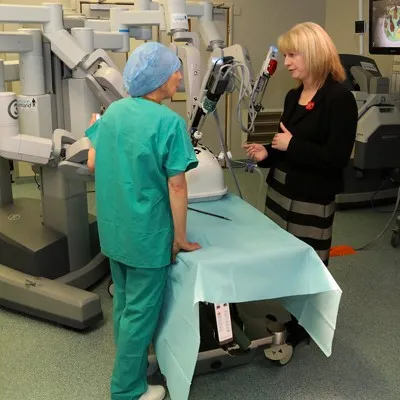
Robotic-assisted surgery has experienced a significant upsurge in Asian hospitals, ushering in a new era of precision and minimally invasive procedures. The integration of robotic systems into various surgical specialties has revolutionized traditional approaches, offering surgeons enhanced precision and control during intricate procedures. Noteworthy is the success of robotic-assisted surgeries in specific cases, ranging from complex cardiac surgeries to delicate neurosurgical interventions. Asian hospitals have reported compelling success stories where these robotic systems have not only improved surgical outcomes but also contributed to reduced postoperative recovery times. Patients benefit from smaller incisions, diminished trauma to surrounding tissues, and quicker rehabilitation, highlighting the effectiveness of robotic-assisted surgery in elevating the overall quality of healthcare in the region. As these advancements continue to unfold, robotic technologies are poised to play an increasingly pivotal role in shaping the landscape of surgical specialties across Asia.
2. Minimally Invasive Techniques:

The adoption of minimally invasive surgical techniques is on the rise in Asian hospitals, reflecting a shift towards procedures that prioritize patient well-being. Advancements in laparoscopic and endoscopic procedures have played a pivotal role in this trend, allowing surgeons to perform surgeries with smaller incisions and specialized instruments. This shift brings about notable benefits, including reduced scarring, quicker recovery times, and heightened patient satisfaction. Patients undergoing minimally invasive surgeries experience less trauma to surrounding tissues, leading to shorter hospital stays and a faster return to normal activities. The preference for these techniques in Asian healthcare not only aligns with global trends but also underscores a commitment to improving the overall surgical experience for patients, emphasizing the importance of both clinical efficacy and patient comfort in the evolving landscape of healthcare practices in the region.
3. Augmented Reality (AR) and Virtual Reality (VR) in Surgical Training:
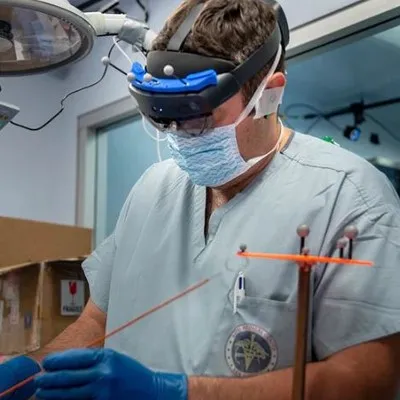
Asian hospitals are at the forefront of incorporating cutting-edge technologies such as Augmented Reality (AR) and Virtual Reality (VR) to revolutionize surgical training for medical professionals. The integration of AR and VR in surgical education has introduced innovative simulation programs and virtual reality platforms, providing surgeons with immersive and risk-free environments to refine their skills. These technologies enable trainees to practice intricate procedures, navigate complex anatomies, and experience realistic surgical scenarios, fostering a more hands-on and comprehensive learning experience. By embracing AR and VR in surgical training, Asian hospitals are not only addressing the challenges of traditional training methods but also ensuring that the next generation of surgeons is equipped with advanced skills and expertise, ultimately enhancing the overall quality of surgical care in the region.
4. 3D Printing in Surgical Planning:
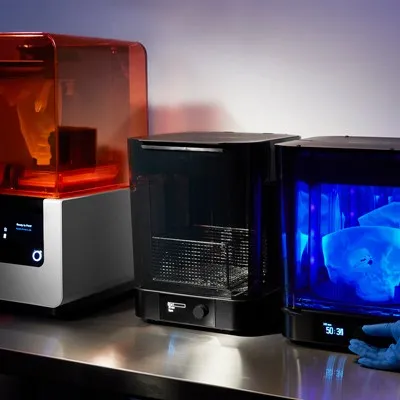
The adoption of 3D printing technology within surgical specialties is bringing about a significant transformation in Asian hospitals, particularly in the domain of preoperative planning. This innovative approach involves generating precise 3D models that replicate a patient's anatomy, providing surgeons with an unparalleled tool for strategizing complex procedures. In fields like reconstructive and orthopedic surgeries, 3D printing enables a meticulous examination of patient-specific anatomical structures, allowing for a more detailed and personalized surgical plan. Surgeons can manipulate these tangible models, gaining insights into the intricacies of a patient's unique anatomy and optimizing the surgical approach accordingly. This advancement not only enhances surgical precision but also contributes to improved patient outcomes by minimizing the margin of error in intricate procedures. Asian hospitals taking the lead in integrating 3D printing into surgical planning demonstrate a commitment to leveraging technology for the benefit of patients, marking a significant stride towards personalized and effective healthcare in the region.
5. Artificial Intelligence (AI) in Surgical Decision-Making:

The infusion of Artificial Intelligence (AI) into surgical specialties marks a significant shift in decision-making processes within Asian hospitals. AI algorithms play a pivotal role in supporting surgeons with real-time decision-making during procedures, leading to heightened precision and decreased errors. Through the analysis of extensive datasets, AI systems offer valuable insights that assist surgeons in identifying optimal pathways, predicting potential complications, and devising personalized treatment plans based on individual patient profiles. This incorporation of AI into surgical decision-making not only enhances overall precision but also contributes to improved patient outcomes and safety. The rapid information processing and adaptability of AI position it as a valuable tool in surgical settings, underscoring the commitment of Asian hospitals to embrace innovative technologies for advancing the quality and efficacy of healthcare delivery.
6. Telemedicine for Surgical Consultations:
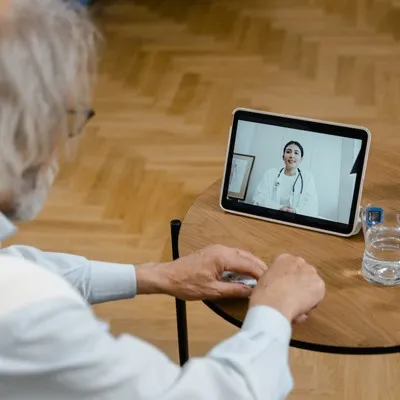
Telemedicine is revolutionizing the landscape of surgical specialties in Asian hospitals, particularly in the realm of remote consultations and seeking second opinions. This technology is eliminating geographical barriers, providing unprecedented access to expert surgical advice, and connecting patients with specialized surgeons, irrespective of their location. Through virtual platforms, surgeons can assess patient conditions remotely, offer consultations, and deliver valuable second opinions, fostering a collaborative and comprehensive decision-making approach. The ability to share medical records, imaging studies, and discuss cases in real-time is leading to more informed and thorough evaluations. Telemedicine not only improves patient access to specialized care but also establishes a network of collaboration among surgeons, contributing to more holistic and well-informed surgical decisions. By adopting telemedicine for surgical consultations, Asian hospitals are leading the way in leveraging technology to enhance healthcare accessibility and collaboration, ensuring that expertise is readily available to patients, regardless of their physical location.
7. Smart Surgical Instruments:
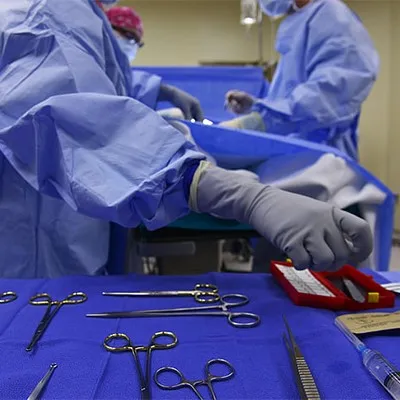
The advent of smart surgical instruments, equipped with advanced sensors and connectivity features, marks a significant leap forward in the landscape of surgical specialties across Asian hospitals. These intelligent instruments are designed to provide real-time feedback to surgeons, enhancing their situational awareness and precision during procedures. The incorporation of sensors enables these instruments to gather data on various parameters, such as tissue responsiveness, temperature, and spatial orientation. Through seamless connectivity, this data is then relayed to surgeons in real-time, allowing for immediate adjustments and informed decision-making. By offering a dynamic and interactive interface between the surgeon and the surgical environment, smart instruments contribute to heightened precision, reduced risks, and improved patient outcomes. Asian hospitals at the forefront of adopting these innovative tools showcase a commitment to leveraging technology for the betterment of surgical practices, highlighting the evolution of healthcare towards a more intelligent and responsive future.
8. Integration of Augmented Intelligence in the Operating Room:
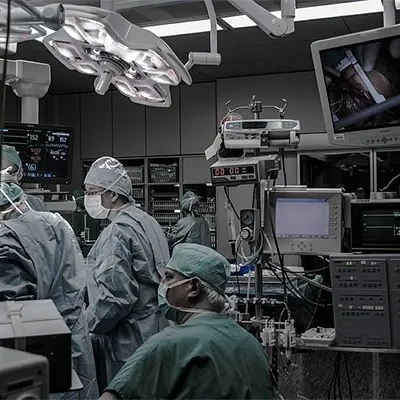
The seamless integration of augmented intelligence (AI) into the operating rooms of Asian hospitals signifies a groundbreaking synergy between cutting-edge technology and human surgical expertise. AI is strategically deployed to collaborate with surgeons, particularly in tasks involving image analysis, thereby significantly improving diagnostics and decision-making during surgery. In real-time, AI algorithms process intricate visual data, aiding surgeons in identifying critical details, anomalies, and potential complications. This collaborative approach not only streamlines the surgical process but also enhances the precision and accuracy of diagnostics, ultimately leading to more informed decision-making. The integration of augmented intelligence stands as a testament to the commitment of Asian hospitals to harness the full potential of advanced technologies, creating a harmonious blend that augments human capabilities and fosters a new frontier of surgical excellence.
Conclusion:
As Asian hospitals continue to embrace technological innovations, the field of surgical specialties is experiencing a remarkable transformation. The adoption of advanced technologies, coupled with innovative techniques, is not only improving patient outcomes but also shaping the future of healthcare in the region. By staying at the forefront of these trends, Asian hospitals can further enhance their surgical capabilities and contribute to the global advancement of medical science.