The Impact of Chronic Cervico-Cranio-Mandibular Pain on Daily Life

Kate Williamson
Editorial Team, Asian Hospital & Healthcare Management
Cephalalgia related to Chronic cervico-cranio-mandibular pain (CCCP) tends to reduce the quality of life of the patients since it impacted on their ability to function effectively and normally, and left them with chronic headache, neck, and jaw pain, tiredness, and depression.
Introduction:
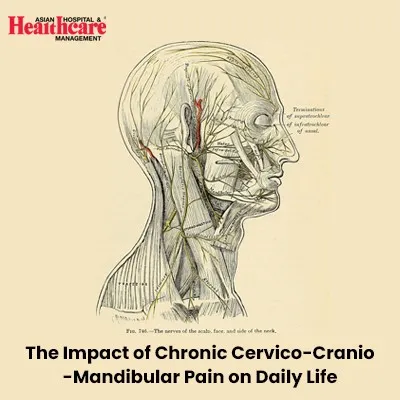
Neck, head and jaw pains is a description of cranio-mandibular pain that, unlike most pains, usually persists for quite some time. This condition can be worst to an extent that it influences total functioning of an individual, hence health both physical and mental. They have not been able to determine the exact factors which cause this condition but the manifestation and effects as well as measures that will help control this condition shall be described in this article.
Understanding Chronic Cervico-Cranio-Mandibular Pain
It is also possible to understand what chronic cervico-cranio-mandibular pain is to determine the effects of cervico-cranio-mandibular pain or dysfunction: this pain may be due to pathological alterations of muscles and their spasms or alterations of joints and irritation of nerve at the gluteal tendon insertion zone or at the sciatic nerve.
People who experience this sort of pain may present with a host of other hurts including head, neck, jaw, and sometimes even the shoulder blades and upper spinal region. These symptoms are vague and can be manifested in various forms and at various degrees as far as the development of other adjacent symptoms which include chewing, speaking as well as sleeping disorders are concerned.
Causes of Chronic Pain
Cervico-cranio-mandibular pain can be of chronic nature and its causes may be multiple. Some common contributors include:
- Muscle Tension: Tension at work, and stress, and anxiety in general, can cause tension in the neck and jaws. If people have stress, they may without noticing it, teeth clenched tightly or shoulders tensed and this causes pain.
- Poor Posture: Sitting for extended periods in front of a computer or while using a smartphone leads to neck and jaw problems. Posture deficiencies cause unequal muscle development and contribute to the chronic pains.
- Injury: People who have had prior neck or jaw injuries like whiplash or any other form of injury, may continuously experience pain down the ailment.
- Jaw Disorders: Chronic illnesses such as temporomandibular joint (TMJ) disorder may specifically impact the jaw leading to a headache that spreads to the neck.
- Dental Issues: If the teeth or jaws are not properly aligned, they will move the jaw and neck in a way that will result in chronic headache or neck pain.
- Underlying Health Conditions: Injury related pathologies, and habitual activities or postures are considered to initiate cervico-cranio-mandibular pain; however, medical conditions like arthritis, fibromyalgia, or migraines can also cause chronic pain in the region.
Symptoms and Their Impact on Daily Life
The symptoms of chronic cervico-cranio-mandibular pain can vary widely among individuals, but common symptoms include:
- Persistent Headaches: Headaches are very common to most individuals and can at times be severe or chronic. These headaches worsen cognition and impair activities of daily living, vocational, and social functioning.
- Neck Pain: Neck pain can be crippling in the long-term, and can make functions as simple as turning the head or looking upwards uncomfortable. This can impact working, driving and recreations.
- Jaw Pain: It limits easy chewing and can even lead to speech complications making it hard to speak fluently. This creates uncomfortable sensations that some people may try to avoid particular eaten meals or definite situations.
- Fatigue: Chronic pain can be tiring, so much so that the sufferer becomes both mentally and physically tired. This fatigue produces, therefore, certain effects which include; poor productivity, lack of motivation needed in getting through the day.
- Sleep Disturbances: Hyperalgesia can aim to be devastating for sleep quality and interrupt the sleep-wake cycle by causing insomnia. Sleep deprivation will also make a person feel more sensitive about the pain he or she may be enduring and emotional upset.
Altogether the mentioned symptoms can be life-disrupting to the point that an affected person cannot live a regular life. Those tasks, which used to produce pleasure or were just simple and easy, may turn into a chore or an act that cannot be done at all.
Emotional and Psychological Effects
Although chronic pain is conceptualized as a physical experience, the pain endured has major emotion and psychological ramifications. Many individuals with chronic cervico-cranio-mandibular pain experience:
- Depression: The usual chronic pain makes people feel useless and depressed since the pain is permanent. This cycle can get ugly to deal with where pain makes things worse, and this results in more depression and vice versa.
- Anxiety: Chronic pain again raises questions about what might happen next, and this sort of uncertainty increases anxiety. Individuals may thus have concerns with regards to their capacity in performing work related duties or even interacting with people; or even performing basic tasks in the course of the day.
- Social Isolation: As you can assume, chronic pain may result in social isolation or isolation from social activities. People may give up hang out with friends or attend functions, events hence feel deserted and all alone.
- Decreased Quality of Life: It has shown that the interactions between physical and psychological signs exacerbate the contributed quality of life. Summertimes that were once enjoyable become those which are stressful or painful.
Coping Strategies and Management
People who are experiencing this type of pain may have many other reports of various types of pain such as head ache, neck pain, jaw discomfort, may also complaint at times of discomfort in the shoulder blades and upper spine. Here are some effective strategies:
- Physical Therapy: They may work with a physical therapist to find ways to build muscle, stand taller and move more freely. They also can offer the special exercises for the given patient.
- Pain Management Techniques: Heating pad, cold pack, and transcutaneous electrical nerve stimulation (TENS) can go a long way in overcoming this issue of pains.
- Stress Management: You will find that some of the ways of combating stress are helpful for muscle to tension and mental unease and these are; mindfulness, meditation and yoga.
- Medication: Parenteral medications may require prescription and administering of over-the-counter pain relievers may be necessary. Many things still need to be changed, and it is advisable to seek the advice of a healthcare provider.
- Dental Treatments: If jaw disorders are the cause of pain, then one should see a dentist that deals with TMJ disorders. They may then prescribe dental appliances or other interventions.
- Lifestyle Modifications: The patient can also do a number of things to help with the symptoms such as breaking from the screen often, having better posture, and getting exercise regularly.
- Support Groups: Through peer support individuals with chronic pain can find emotional support, as well as learn ways through which to manage their conditions.
- Cognitive Behavioral Therapy (CBT): This therapy can assist those in changing the unfavorable ways of thinking on the component of pain and functioning.
Conclusion
This article aims to determine sources of chronic cervico-cranio-mandibular pain, and their impact on quality of life, emotional and social functioning. To effectively manage this condition it is important to know the causes as well as manifestations of the illness. It is now established that through an integrated treatment plan, people can manage pain so that their functioning is enhanced. There is help out there and reaching out to healthcare workers, other therapists, and support groups helps. Finally, thus, human beings can successfully manage and recover the lives they desire from the tumultuous sea of chronic pain.

.webp "From AI Tools to Workflow Transformation in Healthcare")