When the Mind Plays Tricks: Exploring Alice in Wonderland Syndrome

Kate Williamson
Editorial Team, Asian Hospital & Healthcare Management
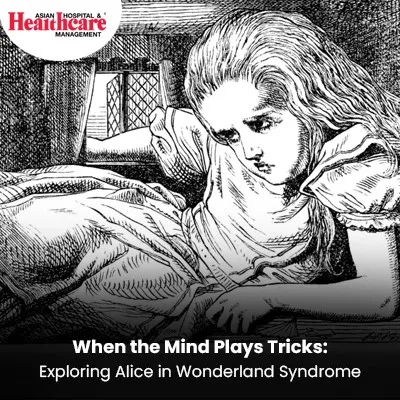
Alice in Wonderland Syndrome (AIWS) is a neurological disorder characterized by size illusion, time-space dissociation mainly associated with migraine, infection, or stress. Although episodes are transient, they can be quite confusing at times. Analyzing the concept of AIWS provides a view on human perception and how the brain defines reality.
Introduction:
Picture that you are in a room one moment and everything around you makes you feel gigantic while your hands shrink to the size of peanuts the next. Or being on foot in a street that has buildings that are bent in ways human structures should not. It is not a movie or a dream: a rather strange and very rare nervous disorder, known as Alice in Wonderland Syndrome (AIWS).
This strange condition, which derives its name from Lewis Carroll’s wonderland, gives us an unprecedented look into how and why human thought misconceives reality. To know more about AIWS let’s take a closer look at its definition, signs, causes and cure.
A Curious Name: The Origin of Alice in Wonderland Syndrome
In the context of AIWS, it is named after Alice in Wonderland; Carroll’s character experiences hallucinations of distortion of size, time, and space. The term was first used in 1955 by a British psychiatrist Dr John Todd. At this, it is a known fact that Lewis Carroll likely suffered from migraines - which is a well-known symptom of AIWS - for this reason, we may infer that might be because AIWS that Carroll himself had attacked him that he could vivid imagination and strange description in the book.
That Carroll has woven his engaging narrative is not a question; his story is more than a literary delight; it is a gateway to explaining how much the human cortex distorts our interpretation of reality.
What exactly is Alice in Wonderland Syndrome?
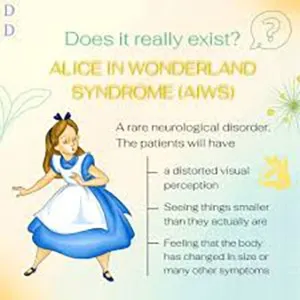
AIWS is a neurological pathophysiology that is, largely, related to reception alone. Patients with AIWS experience brief episodes in which objects or limbs appear to have different size and distance from the individual as they actually are. For example, their hand will appear big while the opposite sex’s hand will appear small or a passage will look very long. They are most frequently of moderate duration and rarely serious but can be confusing and, occasionally, at least somewhat shocking.
The Symptoms: Down the Rabbit Hole of Perception
All the phenomena of AIWS are rooted in sensory distortions which sub-group belongs to altered perception. Here’s what someone with AIWS might experience:
Micropsia and Macropsia: Perceived size of an object may be reduced (micropsia) or, conversely, enlarged (macropsia). For example, the coffee cup may look as small as a thimble, or the chair – as if it was designed for a giant.
Pelopsia and Teleopsia: There is a condition whereby objects can appear closer (pelopsia) than they really are or objects can appear farther (teleopsia) than they really are.
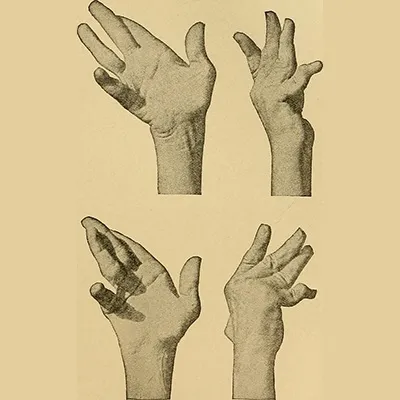
Somatopsychic Distortions: Individual body parts may be of a different size of may seem much smaller or much bigger compared to what is expected. A hand might have the appearance of a giant one while a leg appears to be very small.
Time Perception Alterations: Sensual experiences may be distorted in terms of ‘time’; time may go faster or slower and thus give one a dream like feeling.
Auditory and Tactile Hallucinations: Certain people experience hallucinations of sounds which might be distorted in nature or even feel certain strange sensations on their skin during the episode.
Vertigo or Loss of Balance: A person may have a feeling as if they are sliding or the ground is slanting or segregating beneath their feet.
These episodes may be brief, lasting from a few seconds to several minutes and are common during migraine, viral infection or right before sleep or upon waking up.
What Causes Alice in Wonderland Syndrome?
Despite its mysterious nature, researchers have identified several potential triggers for AIWS:
- Migraines: Those who are afflicted with AIWS frequently have migraines, so it can be assumed that the two ailments are related.
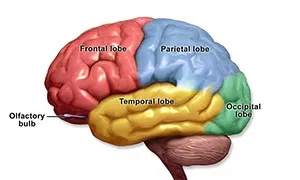
- Epilepsy: Both generalized and focal seizures particularly those of temporal lobe origin cause episodes of AIWS.
- Infections: These are a frequent cause of the disease; viral infections: These originate most frequently from the Epstein Barr virus; in children in particular.
- Head Trauma: It is important to know that AIWS-like symptoms can be induced by brain injuries.
- Psychological Stress or Sleep Deprivation: Stress and physical exhaustion may trigger episodes for a person diagnosed with bipolar disorder.
- Neurological Conditions: AIWS has also been attributed more serious illnesses including tumors in the brain, stroke and encephalitis.
Who is at Risk?
AIWS may occur to anyone but requires particular attention in children and teenagers. The condition slowly fades as children advance in age but can still recur in adults sometimes throughout their life span.
Diagnosing the Illusion
Let’s face it; diagnosing Alice in Wonderland Syndrome is easier said than done. As AIWS does not lead to changes within the structure of a patient’s brain, many MRIs come back negative for patients diagnosed with the illness. However, as in many other diseases, the data that doctors use are minute patient histories and neurological tests.
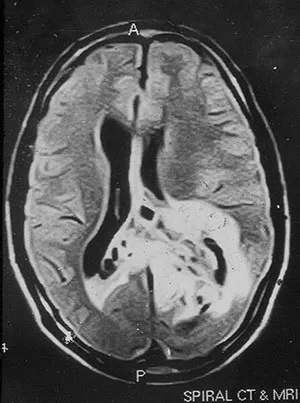
As well as learning about the frequency, duration and character of the episodes it is necessary to exclude other potential causes such as epilepsy or tumors. Even the presence of any primary disorders that might be related with migraines, infections and other inflammations can be useful.
Treatment: Navigating the Labyrinth
As you would expect, there is no one cure for AIWS. However, dealing with the causes mostly brings episodes under control or eradicates them completely. Here are some common approaches:
- Migraine Management: Beta-blockers, anti-epileptic drugs or simple analgesics used to treat migraines may also help to reduce the frequency of an AIWS.
- Infection Treatment: Influenza, or viral illnesses, are treated mostly by increased bed rest either at home or in the hospital, increase fluids intake and use of anti-viral agents when possible.
- Stress Reduction: Simple measures such as practicing yoga, meditating or having proper sleep also go a long way in preventing stress one of the factors that trigger AIWS.
- Counseling and Support: People or children in particular should seek the services of a therapist to help deal with the psychological trauma that results from an episode of AIWS.
- Lifestyle Modifications: Cues can be easily controlled by having a proper diet, exercising, and finally having a proper sleep.
Living with AIWS: A Surreal Experience
To many, AIWS is a transient disorder that resolves spontaneously or upon treatment of the cause of the problem. But the syndrome can be disruptive when a person experiences recurrent episodes and a loss of awareness of the environment. Awareness along with seeking help from a doctor should be given a lot of emphasis when seeking to overcome the condition.
The Mystery Continues: Questions Left Unanswered
Alice in Wonderland Syndrome will continue to be among the hot topics though neurologists still solve the puzzle. What is it that makes certain people have such intense perceptual alterations while the rest do not? What goes on in the mind and regulative systems of the human brain during an episode? Can AIWS potentially unlock the door to the nature of the brain in constructing reality?
Such questions remain unanswered to date and prompt even more research into this still unknown condition.
Conclusion
Alice in Wonderland Syndrome is an intriguing phenomenon that gives sneak peek into how our brains bend reality from time to time. Even though they are able to cause disorientation, studying the condition provides a great insight of the workings of the human perception.
Whether you’re someone experiencing these surreal distortions or simply curious about the quirks of the human brain, one thing is certain: the mind is a place of mystery - and sometimes the mind itself craves to create a story of its own.








.webp)