How Digital Transformation is Modernising Healthcare Management

Lesley Barton
National Clinical and Training Manager, Bunzl & AMHC
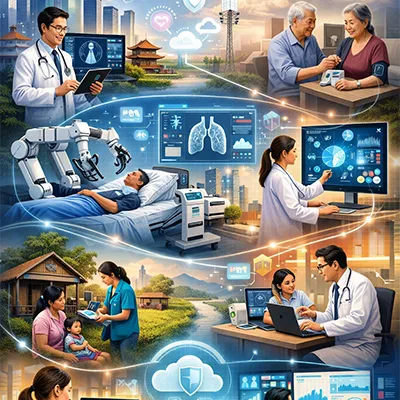
Around the world, a digital transformation is rapidly redefining the operational landscape of healthcare institutions. For hospital C-suite executives, clinical leaders, and IT and supply-chain professionals, understanding this evolution is essential. This transformation is reshaping everything from patient flow and care delivery models to administrative efficiency and financial sustainability, creating a smarter, more responsive healthcare ecosystem.
Understanding Digital Transformation in Healthcare
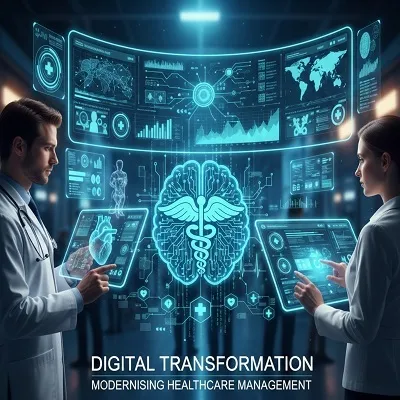
Digital transformation in healthcare involves the integration of digital technology into all areas of a health institution, fundamentally changing how it operates and delivers value to patients. A holistic approach moves beyond the simple digitisation of paper records to genuinely connecting clinical, operational and financial workflows.
At its core, it is about shifting from siloed, reactive systems to an integrated, proactive model. This includes adopting modern systems like comprehensive Electronic Health Records (EHRs), leveraging cloud computing for secure and scalable data storage, and implementing sophisticated automation tools. The goal is to create a seamless flow of information that supports every touchpoint, from a patient’s first interaction to complex surgical procedures and post-discharge recovery.
For example, a core tenet of this modernisation is ensuring that all parts of the healthcare community can share and access necessary patient information securely and efficiently. Connected systems allow for more accurate provisioning to make sure everyone, from major hospitals to home care providers has access to essential medical supplies.
Digital Tools Elevating Patient Care and Operational Efficiency
The impact of the digital transformation in healthcare is most pronounced in two key areas: improved patient experience and operational efficiency.
Enhancing Patient-Centric Care
The digital age enables a shift towards truly personalised and preventative care. Digital patient portals and telehealth platforms, for instance, are revolutionising access, reducing the geographical barriers that often lead to delayed or substandard care.
What’s more, digital tools allow for the continuous collection of patient data, moving from episodic snapshots to a complete, long-term view of a patient’s health journey. This level of insight supports clinicians in developing more effective, individualised care plans.
Streamlining Hospital Operations
Digital tools can be used to tackle the inefficiencies that have long plagued healthcare management through three key areas:
- Optimised Resource Allocation: Digital scheduling and workflow management systems reduce patient wait times and improve bed utilisation by leveraging real-time data on staffing and equipment location.
- Data-Driven Decision Making: The shift to fully digitised records and interconnected platforms allows leadership to move beyond guesswork. This focus on data can translate into substantial financial benefits. Experts believe that productivity improvements achieved by applying digital and analytical tools across the health system could result in net savings of up to $360 billion in healthcare spending.
- Modernising the Supply Chain: For supply-chain management, digital technologies can provide real-time visibility into the movement and consumption of medical supplies. Smart tracking systems can reduce waste from expired stock and prevent costly shortages. One study suggested that hospitals could save an average of 17.7%, or $11 million per hospital, annually by automating and standardising supply chain procedures.
Overcoming Barriers to Digital Adoption in Healthcare Institutions
Despite the clear benefits, the path to a fully modernised digital health system is not without significant hurdles. Leadership must strategically address these challenges to ensure successful transformation and a positive return on investment.
Compatibility and Legacy Systems
The issue of compatibility remains one of the most critical technical challenges. Many older, proprietary systems were not designed to share data, creating deep information silos that limit a clinician's comprehensive view of the patient and slow administrative processes.
Overcoming this requires committed investment in modern, open standard technologies. For executives, this means prioritising vendor-agnostic systems and enforcing a culture of data standardisation across all departments to facilitate seamless data exchange.
Financial Constraints and Demonstrating ROI
Health system executives globally acknowledge that digital transformation is a top priority, yet up to 75% report a lack of sufficient resources or planning to deliver on that priority. To overcome this, leaders must shift the conversation from cost to strategic investment, focusing on long-term ROI derived from efficiency gains, reduced medical errors, and improved patient experience.
Managing Cultural Resistance and Digital Literacy
Resistance to change among clinical and administrative staff, often due to a preference for established, comfortable workflows or a lack of confidence in new systems, can significantly slow down implementation and uptake. Studies across the sector highlight the deficit in digital literacy and training as a major bottleneck. To mitigate this, leadership must:
- Prioritise Targeted Training: Ensure continuous professional development focuses on digital proficiency, tailored specifically to clinical and administrative roles.
- Foster Clinician Buy-in: Involve end-users by co-designing new digital workflows with frontline staff. This ensures the solutions are practical, user-friendly, and integrate smoothly into clinical routines.
- Establish a Culture of Digital Champions: Identify and empower key staff members to advocate for new systems and provide peer-to-peer support, accelerating widespread acceptance.
Data Security and Regulatory Governance
In a world of increasing cyber threats, data privacy and security are paramount. Healthcare organisations handle some of the most sensitive personal data, making them prime targets. Compliance with stringent regulations requires continuous investment in cyber security infrastructure, staff training, and robust governance frameworks.
Digital transformation is far more than the installation of new software, it’s a strategic effort to fundamentally improve the delivery of care. By addressing compatibility, investing in staff upskilling, and leveraging data to make informed decisions, healthcare institutions can realise the full potential of this modernisation. The ultimate measure of success for this transformation will be its ability to deliver higher quality, safer, and more sustainable care across our entire health system.