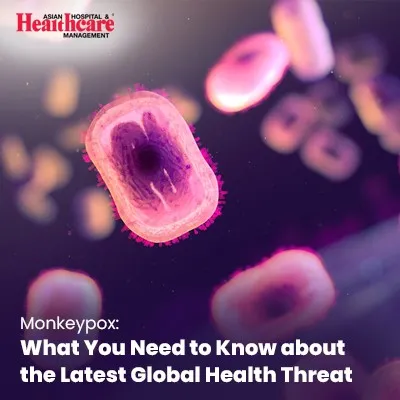
Monkeypox: What You Need to Know about the Latest Global Health Threat

Kate Williamson
Editorial Team, Asian Hospital & Healthcare Management
Monkeypox is a viral disease that is similar to smallpox and the disease is allegedly making a new appearance globally. This disease was first found in Africa but lately has been realized in several continents which is a worry. In this article we will explore the symptoms, mode of spread, prevention and control and treatment of monkey pox with much emphasis on awareness creation – nationally and internationally.
Introduction:
This monkeypox virus disease that has recently been in headlines is not strange as it introduces new infection to the world. First observed in monkeys in 1958, the first case of human was detected in 1970 in Democratic Republic of Congo. Monkeypox since then occasionally transmits to humans where it was for a long time entrenched in Central and West African nations but lately global worries arouse especially in view of the new cases in non-endemic nations.
Understanding Monkeypox and Its Symptoms
Monkeypox is a viral disease which is associated with monkeypox virus of the Orthopoxvirus genus to which smallpox belongs. Note that, while monkeypox shares some resemblance with smallpox the latter is commonly reported to be less severe. This is so because the illness begin with symptoms that resemble other flu, which are; fever, headache, muscle aches, and fatigue. Swollen lymph nodes that are notable in monkeypox can develop with or after the development of such signs.
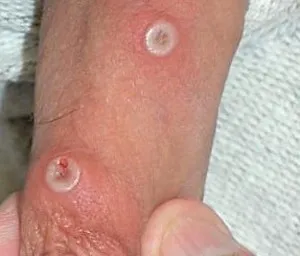
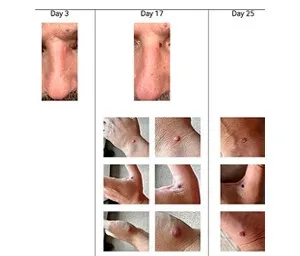
After two to seven days, the onset of the rash, which always begins on the face and then progresses to the rest of the body. New lesions are flat, then become popular, and lastly, become vesicular, become pustular and rupture, form a scab and then ultimately slough off.
The length of the disease is 2-4 weeks and for severe forms – is longer; the period from the moment of infection to the onset of symptoms is 6-13 or 5-21 days for monkeypox.
The disease is in most cases mild and people totally recover after 2 to 4 weeks; however the illness is somewhat severe; this is especially so in children, pregnant women, and in anyone with a weakened immune system.
How Does Monkeypox Spread?
Monkeypox is transmitted by direct contact with an infected person or through contact with animals harboring the virus, or materials contaminated with the virus. Transmission of the virus from one human being to another can be in form respiratory droplets; skin lesions; or fluids. It can also be transmitted through contact with clothes, beddings or other object, which have been contaminated with the germs.
Zoophytic transmission is contacted when a man comes across an infected animal like the rodents, monkey(s), or their secretions. Ingestion of raw or rare meat prepared from infected animals is also another mode of transmission of the disease.
However, monkeypox is not transmitted through respiratory means, especially through droplets, as is the case with COVID-19 that needs face-to-face contact for most of its transmission. This reduces the likelihood of dissemination rates being exceptionally high which, however, remains a major threat in hospitals and other areas that the infected people frequently visit.
Global Spread and Public Health Response
Monkeypox disease has been recorded to have occurred in some part of the world outside Africa particularly in the Europe, America as well as some parts of Asia in the recent past. The one that happened in 2022 was characterized by sharp transmission across different continents within a short span of time, which alarmed the health care professionals. The global spread is partly attributed to such factors as; travelling and more so in the current world that is connected in terms of travel. Authorities in public health have resorted to utilize response procedures like isolation of cases, contact tracing, and mass vaccination of persons in risk categories.
Smallpox vaccine that is effective in about 85% in preventing monkeypox cases is currently being employed in some regions to curb the infection. It is still difficult to get and is only advised for frontline health care personnel and anyone exposed to such individuals.
Prevention and Treatment
In monkeypox, preventive measures therefore aim at minimizing chances of spreading the virus. This include; refraining from contact with any animal that may be carrying the virus, washing regularly, and wearing a PPE while handling infected people. In monkeypox-endemic areas, community sensitisation educates people on how to handle animals safely and where to report suspected cases of the outbreak.
Monkeypox like other diseases does not have a specific cure; however, antiviral drugs that work for smallpox maybe effective. This is one of the areas that are deemed to be very critical in the enhancement of the outcome and these include; the symptom control and infection prevention. Patients tend to take medicines that can overcome the symptoms, for instance, the use of pain and fever controlling drugs besides frequent checks for signs of the disease’s advancement.
Impact on Public Health Systems
Monkeypox outbreak in areas that are not endemic has added more pressure to health systems than the current COVID19 outbreak results. Health officers are now faced with the challenge of responding to these or rather endless concerns about pandemics and at the same time addressing the current Monkeypox outbreak. This calls for prudent resource management, personnel, equipment, and particularly vaccines. This is even true in such areas where health care is still wanting; such systems may be overwhelmed without adequate support.
Another emerging issue with respect to monkeypox is economic impact. Measures such as quarantine, limitations on travel and higher demand for healthcare are putting stress on the economies now, especially low- and middle-income countries. This underlines the need to have cooperation and support from other countries together with financial support to make sure that all nations are in a position to curb monkeypox outbreaks.
Global Surveillance and Future Preparedness
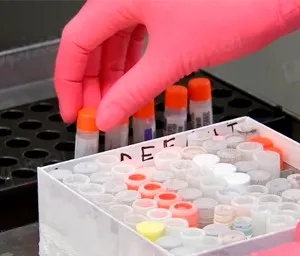
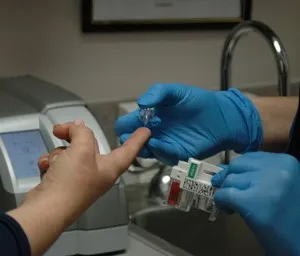
Monitoring the monkeypox cases is important on the global scene to be able to notice early the possibility of future epidemics. Health organizations are striving to enhance tools to alert early enough and report the disease incidences thus facilitate swift actions. This include the capacity in the laboratories in the endangered areas and better methods to detect the virus in a shorter time.
Measures of preparedness should be improved and developed to be effective not only in monkeypox but also in any other new emerging infectious diseases. It entails channeling more resources on the research, innovation of new vaccines and treatment methods, and encouraging partnerships between the governments and the health sectors, and global organizations. Other measures are also needed to popularize knowledge on zoonotic diseases such as monkeypox that may spread from animals to humans.
Why Collective Action is Necessary?
Monkeypox is not one of the diseases that is endemic in the country but is one of those that is of global concern. Today’s world is so connected that diseases can affect one country and transverse to other countries; this is why the countries should come together and fight the diseases.
Global cooperation is essential for preventing monkeypox and providing all the necessary tools and equipment to all the countries in the world, including those with relatively low economic indicators. This entails dissemination of research information, planning and implementing of vaccine delivery and offering assistance to the nations that are affected.
Conclusion: Staying Vigilant in a Changing World
Monkeypox is a good example that there are always emerging pathogen threats of which the world is always alert. It may not be as transferable as other easy to spread viruses around the world and yet it has the capacity to cause sickness on a massive scale in societies and can transform them and its thirst cannot be quenched.
Through active watch, compliance to prevention measures, and enhanced global collaboration, the world shall contain monkeypox, and be ready to handle any other future human health crises. Knowledge derived from the present and previous epidemics will be handy in understanding the challenges in the domain of global health in the future.