Neurological Disorders Uncovered: The Strange Case of Alien Hand Syndrome
.webp)
Kate Williamson
Editorial Team, Asian Hospital & Healthcare Management
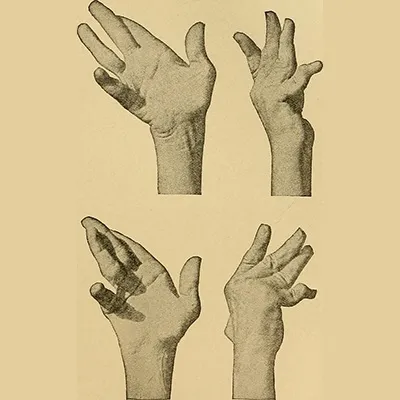
Neurology contains very few neurological disorders which simultaneously create scientific interest and public curiosity like Alien Hand Syndrome (AHS). The popular media along with movies portray Alien Hand Syndrome as a peculiar yet humorous brain dysfunction although this medical disorder remains both rare and deeply disturbing. Among individuals with AHS, the patients experience involuntary movements from their own hand that seems to perform autonomously from their intentional commands.
The article investigates Alien Hand Syndrome neurobiology along with its presentation modes and tracing leads and obstacles for validating its identification and treatment programs. The analysis of this complex disorder enables both enhanced brain complexities understanding and demonstrates the necessity for better methods to detect and treat unusual neurological disorders.
What is Alien Hand Syndrome?
Alien Hand Syndrome represents a distinct neurological disorder that produces spontaneous controlled limb movements from one hand with an effect of purposeful behavior that the patient does not initiate. Patients who experience this syndrome describe their out-of-control limb as demonstrating individual goals through processes such as object handling and facial contact and clothing unbuttoning and interference with hand activities.
Medical experts only started to seriously study Alien Hand Syndrome in clinical neurology practice during the time period between 1970 and 1980 even though the condition first appeared in medical archives during the early 20th century. Neurologists established the term “alien hand” to define the abnormal uncontrolled movements which stem from defined brain damage areas.
The Clinical Presentation
The defining symptom of AHS involves purposeful coordinated actions that occur automatically without motor weakness in patients. The defining characteristic of this condition stands apart from tremor-related movement disorders together with chorea. Curiously random motions from alien hands include basic contact behaviors but can escalate into dangerous phenomena which lead to self-harm activities or attacks on others.
The hand treatment experience for patients includes feeling detachment from this body part because it seems foreign to them. Some severe instances of the alien hand syndrome present an opposite response to patient movements through the medical term intermanual conflict. It becomes disturbing and confusing to attempt holding a cup of water with your right hand while your left hand actively pushes against it.
Neurological Basis of AHS
The brain’s motor and sensory pathways alongside corpus callosum and frontal lobes and parietal lobes show direct correlation with Alien Hand Syndrome. The unique symptoms presented in patients depend on where the brain lesion exists:
1. Corpus Callosum Lesions (Callosal Variant)
The human brain depends on the corpus callosum to transmit nerve signals which jam together the right and left cerebral hemispheres to share information back and forth. Areas of brain damage in the specified region lead to independent manual control of the left hand when right-handed people experience this condition. Intermanual conflict represents the traditional alien hand presentation because it leads the subordinate hand to produce behaviors that oppose the actions of the dominant hand.
2. Frontal Lobe Lesions (Frontal Variant)
The supplementary motor area within the medial frontal cortex combined with damage leads to compulsive and grasping hand behaviors that mainly affect the stronger hand. The affected patients will continuously extend their hands toward objects although they do not wish to grab anything.
3. Parietal Lobe Lesions (Posterior Variant)
Brain injuries primarily affecting the parietal lobe of the non-dominant side tend to produce alien hand manifestations without visible behavioral disturbances while causing severe detachment symptoms between patients and their hands that they experience as coming from an external presence. Some medical professionals mistakenly interpret cases of alien hand syndrome as somatoparaphrenia or neglect syndrome syndromes.
Causes and Triggers
AHS can be caused by a wide range of underlying conditions or neurological events, including:
- Stroke: Particularly those affecting the corpus callosum or anterior cerebral artery territory.
- Neurosurgical Procedures: Especially corpus callosotomy, performed to treat severe epilepsy.
- Neurodegenerative Diseases: Such as Corticobasal Degeneration (CBD) or Creutzfeldt-Jakob Disease.
- Brain Tumors or Aneurysms
- Traumatic Brain Injury (TBI)
Patients develop AHS following these events instantaneously after brain incidents especially in stroke cases or surgical procedures even though progressive neurodegeneration causes its slow development.
Diagnostic Challenges
Alien Hand Syndrome diagnosis primarily depends on medical observations together with comprehensive patient reports.
Medical professionals commonly mistake the diagnostic picture of AHS because of its unusual occurrences making psychiatrists suspect schizophrenia or conversion disorder symptoms when patients talk about feeling under tormenting spirits or claim their limbs operate independently.
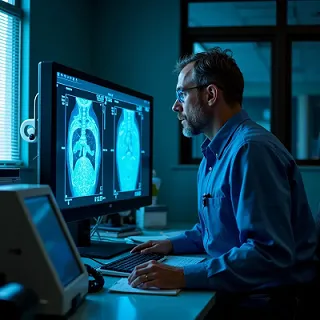
A neurological evaluation with MRI and CT scan imaging remains essential to detect brain structural problems for AHS diagnosis. Electromyography (EMG) and electroencephalography (EEG) tests serve to distinguish AHS from both seizure activities and other motor disorder cases.
The differential diagnosis must rule out:
- Epileptic automatisms
- Dystonia
- Hemineglect
- Anarchic hand syndrome (a related but distinct entity)
Alien Hand Syndrome vs. Anarchic Hand Syndrome
The term Alien Hand Syndrome and its close relation Anarchic Hand Syndrome function as separate conditions even though many medical professionals use them interchangeably.
- Alien Hand Syndrome refers to the sense of foreignness or estrangement from the limb.
- Anarchic Hand Syndrome implies the hand acts independently but the patient may still recognize it as their own, even if they cannot control it.
The simple variation represents more than terminology only because it shows distinctions regarding cortical participation and it determines therapeutic options.
The Neuroscience behind Volition and Agency
AHS enables scientists to observe brain processes that generate the sense of being in control over our performed movements. The prefrontal cortex together with the motor cortex and parietal lobes work in unison to create deliberate actions that healthy people can correctly link to themselves.
The disturbance of this network during AHS leads to a pronounced separation between what a patient wants to do and what they actually do. Motor actions get improperly tagged by the brain since they lack self-generation which in turn generates the experience of having a split will between body parts.
Treatment and Management
Medical science has not yet established any permanent solution for treating Alien Hand Syndrome. Every treatment approach is customized to the individual patient and tends to combine the following elements:
1. Behavioral Therapies
Behavioral strategies with occupational therapy represent the primary approach for management systems. Techniques include:
- Task modification: Avoiding situations that trigger alien movements.
- Hand distractions: Keeping the alien hand occupied by giving it an object to hold.
- Cognitive-behavioral therapy (CBT): Addressing distress and teaching coping strategies.
2. Physical Restraints
Some severe cases require using mitts or slings to physically constrain the alien hand when necessary for avoiding risks to physical activities. Such solutions provide short-term benefits for rehabilitation stages although they do not establish permanent treatment.
3. Pharmacological Approaches
Medications including benzodiazepines and antipsychotics and muscle relaxants may provide benefits to patients with AHS for anxiety management or muscle relaxation needs when these issues accompany the condition.
4. Mirror Therapy and Sensory Feedback Techniques
The approach demonstrates some effective results in training how the brain acts and senses information. Through visual feedback patients can establish some control over their movements to recover their sense of self-management.
Case Studies: Real-Life Encounters with AHS
Multiple recorded cases present direct insights into the daily life of individuals who have AHS.
- An individual experiencing a stroke on the left side had her left hand empowered to perform shirt unbuttonings after being presented with the buttoned state by her right hand.
- Another patient mentioned her hands unconsciously smacking her face area and unexpectedly withdrawing from contact with objects.
- Medical studies about corpus callosotomy epilepsy surgeries show this condition arises temporarily in patients after the procedure.
This set of cases represents how the syndrome produces disruptive experiences that disrupt personal well-being and demonstrates how brain systems remain susceptible to disturbed self-awareness.
Implications for Neuroscience and Neuroethics
AHS invalidates traditional human beliefs regarding personal free will and self-reliance and bodily independence. The inability of our body to control certain movements erodes the philosophical concept of unified consciousness. The law together with ethical principles ask whether someone should bear legal responsibility for movements controlled by an outside force.
Such hypothetical queries establish conceptual boundaries in neuroethics and advance knowledge about brain-related responsibility evaluation particularly within criminal and consent contexts.
Conclusion
The condition known as Alien Hand Syndrome presents exceptional evidence of both the intricate functioning and vulnerable nature of human brains. Although extraordinary cases of this phenomenon are extremely rare they show the fundamental importance of integrated neural connections for self-control and self-feeling. The advancement of neuroscience research allows AHS-related studies to reveal critical insights about intellectual conduct and mental awareness together with personal identification systems.
Knowledge about such conditions helps those directly impacted while delivering insights about brain activity which applies to all human beings.
In the grand tapestry of neurology, the strange case of Alien Hand Syndrome is a powerful reminder: even the most familiar parts of ourselves can become foreign when the brain's harmony is disrupted.