Sleep and Health: Why Rest is the Cornerstone of Well-being
.webp)
Kate Williamson
Editorial Team, Asian Hospital & Healthcare Management
Sleep is a crucial component in physical and mental health contributing to hard tissue repair, the strengthening of immunity, balancing of emotions and sharpening of cognition. Lack of sleep puts a person on a risk of being trapped with some chronic diseases such as; heart disease, obesity as well as mental health problems. Sleep is necessary for human health and plays a grand role in efficiency, and also in lengthening one’s life span, so should be stressed as being very essential for everyone.

Introduction:
Modern people cannot afford to lose a single day without getting good sleep because the rate of living increases day by day and there is no time to waste. From completing a task at the wee hours of the night to watching that new series that just aired, people have always thought that they can perform well when they have little or no sleep. However, science, time and again, has reaffirmed itself to the fact that sleep forms the corner stone of health and wellness. It is fundamental to the health of our body and the conscientious operations of our brain cells. It’s now high time we looked into simple questions like, what is sleep, why do we require it and how can the right amount and quality of sleep impact positively on your life?
1. The Physical Importance of Sleep
Sleep is considerably deeper than people just resting and pulling through the night. Experts observed that it is during sleep that several reparative activities take place in the body to help maintain physiological health. Muscle mass, tissues, organs, and the immune system are all in a state of repair and rebuilding when you are asleep. It’s a precious time for the physical healing, so that one does not feel drained the next day and is ready to confront the day ahead.
1.1. Tissue Repair and Growth
There are many uses of sleep one of them is to regenerate the cells of the human body. This is because at night when you are asleep the body generates proteins that are fundamental in repairing of cells and tissues that stand damaged by stress, UBV radiation or physical exertion. This process is especially effective in sportspersons and in other people who take part in any kind of rigorous activities often. Sleep enhances muscle tissues synthesis through the secretion of growth hormones, hormones that are important in tissue repair and muscles growth.
1.2. Immune System Support
The immune system plays a crucial role in identifying areas of disease within the body and help the body fight off diseases.
The immune system produces proteins, called cytokines at night that helps to reduce inflammation and infection levels during sleep. This implies that when a person is endowed with a small number of these protective proteins due to inadequate sleep, the body is dumped with more imperilment in relation to viruses and bacteria.
According to the study, individuals who regularly get less sleep than 6 hours a day are more likely to be infected by common cold and other ailments. Therefore, doctors urge people to sleep so that their body can be rebuilt after a sickness has gotten a hold of it. Whenever a person is down with an illness the body requires some form of rest in order to help fight the sickness.
1.3. Weight Management and Metabolism
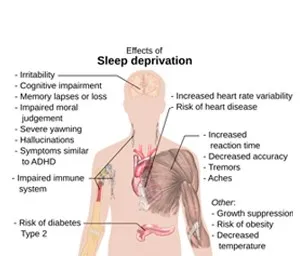
Sleep also has a major influence on hormones that are related with hunger and the metabolic rate. However, two hormones are prized for their effects of sleep patterns, namely leptin and ghrelin. Leptin, on the other hand informs your brain that you have had enough food while ghrelin on the same note tells your brain that you need food. When you lack sleep, the hormone leptin reduces while ghrelin hormone rises, which cause more eating and gaining of weight.
This is why sleep deprivation has frequently been regarded as one of the causes of obesity: due to this imbalance of hunger-regulating hormones. Sleep’s non-restoring also impairs insulin sensitivity and makes it difficult for the body to regulate the amount of sugar in existence. It does in the long run contribute to the contraction of type 2 diabetes. Studies conducted on people with little sleep have realized that such people consume more calories than ordinary people and are more likely to take unhealthy foods that add on the calories.
1.4. Cardiovascular Health
Similarly to any other part of the body, it is always important to ensure that you exercise enough care to ensure that the heart is also getting enough rest. While asleep, the heart and blood vessels are also repaired, and blood pressure tends to reduce offering some reprieve to the cardiovascular system. Lack of sleep means that you’re at a higher risk of developing hypertension, a direct threat to your heart health. Research has it that those individuals who are unable to sleep for not less than six hours in a day are likely to develop hypertension.
Notably, sleep deprivation raises the likelihood not only of high blood pressure but also of coronary artery disease and heart failure. In the long run, you will be safe guarding your heart from these serious conditions whenever and wherever you make sure to get your regular, balanced sleep.
2. Mental Health and Sleep
The discovery that sleep is very important in physical rehabilitation is as vital for mental health. Sleeping is restitution of the brain which allows the body to re-organize the information it has gathered, store memories and even control the emotions it feels. Lack of sleep has negative impacts on the mood, intellect and overall well-being, it even leads to anxiety or depression.
2.1. Emotional Regulation
Often, emotions are experienced throughout the day and then during sleep, the brain sorts it all out, helping to control stress and keep your emotions in check. This is the reason it is said that sleep is the brain’s ‘emotional posit)." If one is not well rested the emotional control center of the brain is compromised making it difficult to control or handle stress, anger or frustration.

Some research also reveals that sleep deprived people have higher tendencies to experience negative affect and poor facial emotional control especially when it comes to anger, frustration and sadness. Sleeping disorders therefore continue to be associated with mental illnesses including depression and anxiety. In fact, sleep deprivation is both a sign of these conditions and exacerbates them. In some cases, insomnia increases the risk of developing depression at some point in life, and conversely, people diagnosed with depression have poor sleep quality.
2.2. Cognitive Function and Memory
The importance of sleep can hardly be overestimated as far as cognitive abilities are worried. Si sleep is the stage where one is able to solidify their memories, analyze data and even enhance a number of neural connections. By this process useful information is acquired and put away for future use this is true since; Lack of quality sleep affects your ability to learn, concentrate and even remember what has been learnt.
To sum up, this work showed that memory consolidation is not the only process that occurs during sleep, it also helps to solve problems and make decisions. When people have their sleep less they are easily fatigue, slow reflexes, under pressure they will not make sound decisions they lack ideas.
Such changes in cognitive abilities can hinder work productivity, academic accomplishment, as well as, decision making. Sleep deprivation also raises the chances of making mistakes, or causing an accident in activities that involve concentration.
2.3. Mental Health Disorders and Sleep
Lack of sleep and mental disorders are co-related. Symptoms of anxiety or depression, for instance, can be easily linked to insomnia; however, this is also an insoluble factor in the development of anxiety and depression. Lack of sleep hampers the brain’s ability central nervous system, causing poor sleep results in unhealthy mental behavior because of inability to properly manage stress.
Several studies indicate that treatment for sleep disorders can considerably reduce the manifestation of mental health disorders’ signs. As an example, CBT-I has been found to lower levels of anxiety and depression by providing guidance on how to manage sleep properly. The positivity of sleep means that people can enhance the wellbeing of the mind and the subsequent mental health.
3. The Link between Sleep and the Immune System
Another essential aspect of a person’s health is their sleeping habits: how they affect the immune system in the long term? As discussed above sleep is the periods when the immune system enhances the creation of cytokines and other immune enhancing proteins. The immune system is also rendered weak and therefore unable to fight off infections and-enable recovery for whoever is sick.
3.1. Fighting Infections
At night, several anti-inflammatory, stress-fighting proteins are released. These proteins and along with antibodies and moulds helps the body to fight against bacteria and viruses. If sleep is interrupted or delayed, the body cannot produce enough of these proteins that form term immune structures.
The investigation has also shown that a person who lacks sleep for some days is likely to catch an infection such as the common cold. According to the study in the Sleep journal, individuals who slept less than 7 hours were almost thrice the possibility of getting a cold than those who slept for 8 hours or more once exposed to the virus.
3.2. Vaccination and Sleep
Some of the functions of sleep include; protection against infections and regulating the effectivity of the body in combating vaccines. A study proved that because of lack of sleep, the vaccine is not produced properly, this makes the body to fail to respond well, to the vaccine administered.
For example, one study compared the antibody responses of flu vaccine recipients who slept less than six hours the night before the vaccination to those who scored more than six hours of sleep; the former produced significantly lower antibodies than the latter. This mean that sleep is as essential as an effective body immune system and also effectiveness of vaccines.
4. How Much Sleep Do You Really Need?
The need for sleep is in this regard influenced by the age, the activity level, and health wise need of the individual. Nonetheless, general guidelines for the sleeping amount are global and adults should sleep 7 — 9 hours per day, teenagers — 8 — 10 hours and children need even more.
4.1. Sleep Quality vs. Sleep Quantity
People get confused between the hours they spend at night and the quality of sleep they have. At times you may get to bed at night and spend eight hours in bed but wake up sleepy the following morning due to wide wakefulness or turnover at night. Healthy sleep is one that does not take effort to be attained, it retains duration without interference and allows one to wake up without any tiredness.

These are recommended on how to improve one’s sleep; one should try to get to bed and wake up at the same time every day, not only on weekdays but also during the weekends. Bring down light, noise, and anything that would interfere with your child’s sleep so as to prepare the bedroom for sleep. Do not consume beverages such as coffee before sleep, and try not to take large meals before going to bed, before sleeping one should only indulge in any activating exercises such as reading books or meditating.
5. Long-Term Benefits of Prioritizing Sleep
Getting proper sleep has many long-term effects that are not only limited to good health. Regular sleep has so many benefits that include but not limited to one’s health increasing chances of having chronic diseases decreasing, mental health improving and an all-round quality of living improving.
5.1. Preventing Chronic Diseases
It has earlier been mentioned that sleep deficiency has negative effects on various chronic diseases and conditions being inclusive of heart diseases, diabetes, obesity and mental diseases among others. As a result of good quality sleep one is in a position to avoid these diseases and have a health check.
5.2. Enhancing Longevity
Scientific research indicates that those who accommodate the target of sleep have longer, healthier lives. In other words, longevity consists of a proper amount of sleep; those who sleep a lot are less vulnerable to early aging, and deterioration of both, mental and physical health.
5.3. Improved Productivity and Performance
In vocations and in other spheres of life, it has been found that it is possible to achieve the pinnacle of performance only when one sleep well. It means that when you are well rested your performance is improved, concentration and intellectual capacity is enhanced. This in turn leads to increased production, stylish thinking and good decision making which are ingredients for success in different aspects of life.
Conclusion: Make Sleep a Priority for Better Health
Sleep is an important biological necessity and cannot be least concerning for it. It influences human physical healing and adaptation, immune system functionality and psychological health, and brain function. When you prioritize sleep, you are actually building a foundation to the optimal quality of life, health, and achievement. Habits related to sleep can be formed at any age – don’t let sleep issues influence your quality of life – get the right habits today and take advantage of having a healthy mind and a healthy body.









-(1)-(1).webp)