From Digital Therapeutics to Wearables to Telemedicine: The Future of Healthcare Innovation
-(1).webp)
Dr. Sonali Kirde
Strategic Investor & Consultant, Healthcare Startups
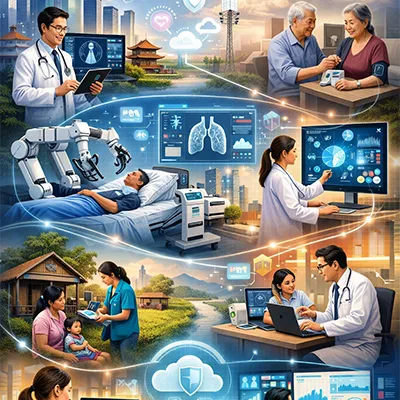
The healthcare industry is rapidly evolving with innovations like AI, telemedicine, wearables, AR/VR, blockchain, and robotics. These technologies enhance patient care by improving diagnostics, optimizing workflows, and enabling personalized treatment. The rise of healthtech startups and government support drive this transformation, ensuring better patient outcomes.
Introduction:
The healthcare industry is rapidly evolving, embracing digital therapeutics, wearables, and telemedicine to enhance patient care through better diagnostics, optimized workflows, and personalized treatments. Emerging technologies like artificial intelligence (AI), blockchain, robotics, and augmented reality (AR/VR) further revolutionize healthcare by making care more precise, accessible, and data-driven. Health tech startups and supportive policies drive this transformation toward more patient-centered, proactive healthcare.
1. Digital Therapeutics: Precision Healthcare for Chronic Conditions
Digital therapeutics (DTx) are software-driven, evidence-based treatments delivered via digital platforms that manage chronic diseases, mental health, and more. Unlike traditional treatments, DTx adapts to individual needs, allowing more personalized care.
Benefits of Digital Therapeutics
- Personalization: Tailors treatments to each patient's unique progress.
- Remote Access: Reduces the need for frequent in-person visits.
- Cost Efficiency: Helps lower healthcare costs by minimizing hospitalizations.
- Data Utilization: Provides clinicians with real-time data for informed decisions.
Example: Omada Health’s DTx program for chronic disease prevention uses behavioral insights to guide patients in lifestyle adjustments, reducing the risk of Type 2 diabetes¹.
2. Wearable Technology: Real-Time Health Monitoring
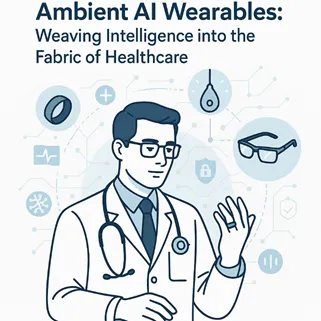
Wearables, from fitness trackers to medical-grade monitors, offer continuous, real-time monitoring that supports proactive healthcare management. They provide patients and doctors with insights into key health metrics, enabling early intervention.
Types of Wearables and Their Impact
- Fitness Trackers: Devices like Fitbit track activity levels and heart rate.
- Medical-Grade Wearables: Continuous glucose monitors (CGMs) and blood pressure devices aid in chronic disease management.
- Smart Clothing: Sensor-embedded garments monitor metrics like respiratory rate, assisting physical rehabilitation.
Benefits of Wearables
- Patient Empowerment: Provides users with accessible, actionable health data.
- Remote Monitoring: Allows physicians to monitor patients without frequent in-person visits.
- Preventive Care: Encourages patients to adopt healthier behaviors proactively.
Example: Abbott’s FreeStyle Libre CGM continuously tracks glucose levels for diabetes patients, offering an alternative to finger-prick testing and improving disease management².
3. Telemedicine: Widening Access to Healthcare
Telemedicine allows for remote consultations, diagnoses, and treatments, improving access for underserved communities. The COVID-19 pandemic accelerated its adoption, highlighting its convenience and cost savings.
Advantages and Challenges
- Increased Access: Expands healthcare access to remote or rural locations.
- Cost Savings: Reduces travel expenses and minimizes lost time for patients.
- Enhanced Workflow: Optimizes resources, allowing providers to reach more patients.
Challenges: Despite its benefits, telemedicine faces hurdles like varying regulatory standards and data privacy concerns.
Example: Teladoc Health offers remote consultations and chronic care management, expanding healthcare access in rural areas³.
4. AI and Machine Learning: Transforming Diagnostics and Decision-Making
AI and machine learning (ML) have transformed healthcare by enhancing diagnostics, predictive analytics, and treatment plans. They analyse large datasets to help healthcare professionals make better decisions.
Applications of AI in Healthcare
- Diagnostics: AI algorithms can detect patterns in X-rays and MRIs, aiding early disease diagnosis.
- Predictive Analytics: Models identify at-risk patients, allowing for pre-emptive interventions.
- Robotic Surgery: AI-guided surgical robots improve precision in minimally invasive procedures.
Example: Zebra Medical Vision developed AI algorithms for analysing medical imaging, helping detect conditions like liver disease early⁴.
5. AR/VR in Healthcare: Enhancing Training and Patient Care
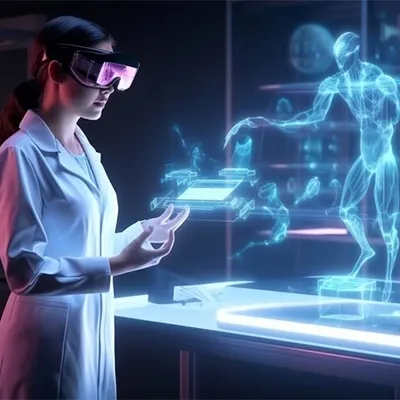
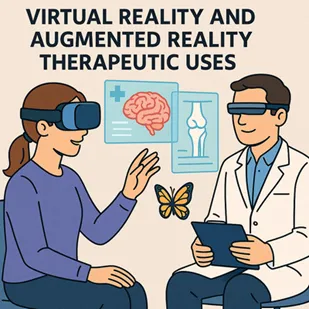
Augmented reality (AR) and virtual reality (VR) provide immersive experiences that support medical training, rehabilitation, and even pain management.
Applications of AR/VR
- Medical Training: VR enables hands-on practice in risk-free environments.
- Pain Management: VR can distract patients during painful procedures.
- Rehabilitation: AR offers real-time feedback for physical therapy exercises.
Example: MindMaze’s VR platform aids stroke patients in regaining motor function through virtual rehabilitation⁵.
6. Blockchain for Healthcare Data Security and Interoperability
Blockchain provides a secure, decentralized solution for managing healthcare data and addressing privacy and interoperability issues. This technology ensures data protection and facilitates information sharing across providers.
Advantages of Blockchain
- Data Security: Blockchain’s encryption protects sensitive patient data.
- Interoperability: A decentralized system supports data sharing, improving patient care.
- Patient Control: Patients maintain control over their health data, authorizing provider access as needed.
Example: Estonia uses Guardtime’s blockchain technology for its national healthcare system, enhancing data privacy and interoperability⁶.
7. Robotics in Healthcare: Enhancing Surgery and Patient Assistance
Robotic technology is boosting precision and efficiency in surgery and patient care. From robotic surgical systems to patient care robots, these advancements support healthcare professionals and improve patient outcomes.
Applications of Robotics
- Surgical Robots: Robotic systems like da Vinci enhance minimally invasive surgeries.
- Elderly Care: Patient care robots aid with daily tasks, providing support and companionship.
- Hospital Logistics: Robots handle logistical tasks, freeing healthcare staff to focus on patient care.
Example: The da Vinci Surgical System assists in minimally invasive surgeries, reducing patient recovery times and improving outcomes⁷.
Conclusion
Digital therapeutics, wearables, telemedicine, AI, AR/VR, blockchain, and robotics are reshaping healthcare to be more data-driven, precise, and patient-centered. These innovations bring enormous potential for improving accessibility, reducing costs, and enhancing the quality of care. However, challenges like data privacy, regulatory standards, and equitable access remain. To maximize these technologies' potential, collaboration among regulators, providers, and tech firms is essential. The future of healthcare lies in embracing digital transformation, ensuring high-quality, personalized care is within everyone’s reach.
References:
- Omada Health. "Chronic Care Management and Digital Health Solutions." Omada Health. Available at: [Omada Health](https://www.omadahealth.com/).
- Abbott Laboratories. "Continuous Glucose Monitoring with FreeStyle Libre." Abbott. Available at: [Abbott](https://www.freestylelibre.us/).
- Teladoc Health. "Virtual Healthcare and Telemedicine Services." Teladoc Health. Available at: [Teladoc Health](https://www.teladoc.com/).
- Zebra Medical Vision. "AI-Powered Medical Imaging Technology." Zebra Medical Vision. Available at: [Zebra Medical Vision](https://www.zebra-med.com/).
- Guardtime. "Blockchain Technology for Secure Healthcare Data." Guardtime. Available at: [Guardtime](https://guardtime.com/).
- MindMaze. "Rehabilitation with VR for Stroke Patients." MindMaze. Available at: [MindMaze](https://www.mindmaze.com/).
- da Vinci Surgical System. "Robotic Surgical Systems." Intuitive. Available at: [Intuitive](https://www.intuitive.com/en-us/about-us/company/da-vinci-system).





-(1)-(1).webp)