Why Robotic-Assisted Surgeries are Setting New Standards in Healthcare?

Kate Williamson
Editorial Team, Asian Hospital & Healthcare Management
The healthcare field has been transformed through robotic-assisted surgeries because these procedures deliver better patient results and shorter recovery times and higher accuracy rates. The combination of AI and 3D imaging gets implemented in robotic system technology to conduct minimally invasive procedures which decreases postoperative complications as well as shortens hospitalization periods. Robotics-based surgical procedures have strong potential for healthcare because they have overcome barriers related to cost and required training.
Introduction:
During the last few years robotic-assisted surgeries rose to prominence in medical practices to deliver better precision together with enhanced care for patients. Medical facilities are rapidly adopting innovative surgical systems through what driving activities and why these systems are becoming standardized in healthcare. The rapid development of technology leads robotic surgery to change medical operations while advancing healthcare standards. The article examines robotic-assisted surgeries deeply to analyze their momentum toward medical transformation through a research of benefits and challenges and effects on future outcomes.
The Rise of Robotic-Assisted Surgeries: A New Paradigm in Medicine
The core advancement of this technical evolution depends on robotic-assisted surgery because surgeons operate using robotic systems to execute remarkable minimally invasive procedures. By contrast to standard operations robotic surgery allows medical practitioners to execute complex procedures through reduced incision sizes. The medical benefits derived from robotic surgery include shorter recovery periods with minimal scarring together with an improved chance of procedure success.
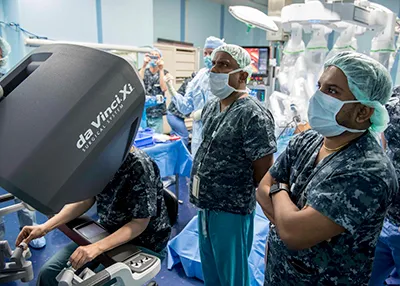
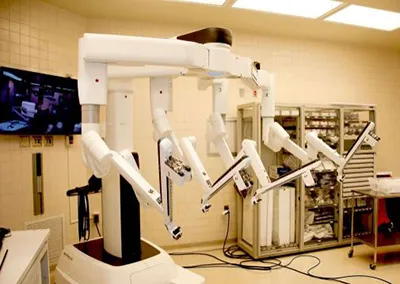
The da Vinci Surgical System represents one of many robotic systems which provides highly specialized robotic arms together with 3D imaging along with precise tools enabling surgeons to conduct complex maneuvers with top-level accuracy. These technological platforms deliver improved percipience and enhanced control and better hand dexterity than human hands operate. Surgeons can achieve better surgical outcomes by using this precise stable instrument management through robotic instruments in procedures such as prostate and gynecological and heart and spinal procedures.
Why Surgeons Are Turning to Robotics: Precision, Efficiency, and Control
Medical adoption of robotic-assisted surgeries continues to increase because of enhanced precision rates. During traditional open surgical procedure, a surgeon faces vision and tissue manipulation limitations due to human physical constraints. Surgeons can achieve highly stable and precise moves through robotic surgery procedures. Robotic arms operate without human hand tremors thus providing exact precision to the level of each millimeter in medical procedures. Precise surgical approaches to neurosurgery and cancer surgery must be performed with exceptional care because any mistake will result in major complications.
The robotic paraphernalia employed in surgical procedures provides patients with surgeries which demand smaller incisions than conventional surgical approaches. The medical team accesses the patient through small surgical entry points, thus minimizing tissue destruction while acceleration occurs during the recovery phase. The minimally invasive approach in these surgical techniques produces fewer blood losses and lower rates of infection and reduced intensity of post-operative pain. The multiple benefits obtained by robotic surgery make it an appealing choice for surgeons as well as their patients.
The Role of Robotics in Reducing Recovery Time
Robotic-assisted surgeries gain popularity because they shorten the duration of patients' recovery period while these procedures are performed. Patients require longer hospital residence after conventional surgical procedures, while recovery times extend to weeks or months. Robotically assisted procedures lead to shorter healing times since they involve minimal invasiveness. The reduced size of incisions enables better preservation of neighboring tissues thus reducing time needed for hospitalization.
People who choose traditional spinal surgery commonly must wait three weeks before beginning physical activities. Spinal patients undergoing robotic surgical procedures recover enough to walk few days after their operation. The reduced hospitalization period after robotic procedures results in both higher patient satisfaction and decreased healthcare expenses because of lower treatment expenses.
Improved Outcomes: Fewer Complications, Better Patient Satisfaction
The exact capabilities and greater surgical control which robotic-assisted procedures deliver serve to optimize patient recovery results. Patients benefit from robotic systems by receiving better surgical outcomes because these systems enhance both procedural accuracy along with minimally-invasive techniques. The probability of human mistakes reaches near zero. Surgeons gain unrestricted mobility through advanced imaging tools which let them view the surgical area clearly for making better operational decisions.
Higher satisfaction among patients results from superior surgical results. The combination of speedy recovery time with minimal postoperative pain and minimal scarring leads patients to view treatment more positively which enhances their healthcare provider trust levels. Quality improvements become crucial when you need precision in fields of oncology and cardiology because they produce better medical results.
The Future of Robotic-Assisted Surgeries: Innovation and Expansion
The medical practice of robotics continues to evolve in its present state. Professional expectations project that robotic surgery technology will improve by becoming more intelligent and capable through future developments in multiple medical specialties. Artificial intelligence (AI) systems will become part of robotic platforms to offer live suggestions from extensive surgical databases to surgeons.
The AI-guided robotic equipment examines patients while conducting surgery therefore it determines and modifies procedures automatically to achieve the best surgical outcomes. Such individualized medical care has the potential to advance patient care beyond all expectations. AR and VR technologies combined with augmentation capabilities enable surgeons to perform simulated procedures that ensure their preparedness for difficult surgeries including the most complex ones.
The potential growth of robotic surgery will enable its availability in remote health service locations which provide limited care to patients.
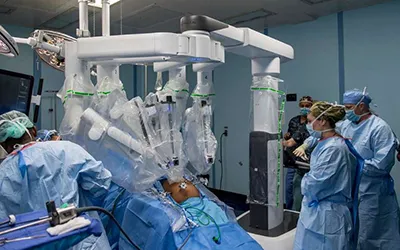
A specialized robotic system under tele-surgery provides remote control from a surgeon which enables lifesaving procedures in places that do not have adequate medical facilities. The spread of advanced healthcare technology because of democratization will lead to improved access of quality treatment in distant areas.
Challenges to Overcome: Cost and Training
Advantages are obvious yet challenges continue to appear that need proper solutions. Robotics equipment proves difficult to afford because of its steep price point. The high cost of these state-of-the-art devices prevents smaller healthcare facilities as well as medical providers from accessing them. Training medical surgeons to operate these systems effectively results in extra financial expenses. The increasing use of the technology together with market competition will drive prices downward which will result in reduced health care costs in the future.
A learning process exists for surgeons seeking robotic surgery proficiency. Complex machine operation demands specific training which surgeons must complete before they can work effectively with these systems. Medical institutions train their personnel in robotic technology but achieving proficiency requires substantial commitment of time and effort. The systems will enhance their effectiveness with expanding surgeon expertise while better training practices will develop to simplify the learning process.
Conclusion: The Unstoppable Surge of Robotic-Assisted Surgeries
Healthcare institutions operate under robotic-assisted surgeries which continue transforming medical practice. These new medical technologies provide better outcomes to patients and shorter recovery periods and greater precision which puts them on course to create more efficient medical procedures. The major potential advantages of robotic surgery outweigh any existing challenges with cost and training. The future of healthcare demonstrates that robotic-assisted surgical procedures will advance medical care through better physician abilities along with superior patient treatment standards worldwide. Society no longer wonders about the benefits of robotic surgery - “What are the speed limitations to introduce this technology throughout all areas of healthcare?"