Respiratory Monitoring in the ICU
Opportunities And Challenges
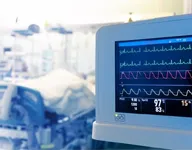
The importance of a smarter respiratory monitoring stems from the need to individualise the increasingly applied respiratory support. Both the respiratory support and monitoring will vary according to the etiology, phenotype, acuteness, settings and severity. A diverse number of solutions are becoming available, and implementing the right strategy can be challenging without proper understanding.
Why respiratory monitoring is increasingly needed?
The COVID-19 pandemic shed a light on the fatality of acute respiratory failure (ARF). The decision when to initiate and how to manage respiratory support for the most critical cases represented a real clinical challenge. As one size cannot fit all, individualisation is advocated and cannot be achieved without effective monitoring solutions.
An effective strategy will guide clinicians and therapists to implement the best ventilatory strategy. The aim of monitoring is to (1) guide the initiation, maintenance and weaning of mechanical ventilation, (2) inform about gas exchange and feedback the response to interventions, (3) reduce the work of breathing (WOB) and patient-ventilator asynchrony, and (4) avoid lung and diaphragmatic injury.
Ongoing research and industry investments led to an array of tools producing a challenging amount of data. In many cases, a complementary approach integrating many tools is warranted. As such, an understanding of the physiological basis, advantages and limits is essential to implement the most effective and appropriate tool(s).
The continuum of respiratory monitoring
It is not rare the provision of intensive care to start in the emergency room or a ward. At that stage, the focus is to detect the cohort of patients who need a higher level of organ support (e.g., intubation and invasive mechanical ventilation). Simple tools compatible with out-of-intensive care settings are available. On the other hand, chronic respiratory failure can pre-exist or occur de novo after critical illness. In cases requiring long term respiratory support whether inpatients or in the community, smaller, smarter, wearable tele-monitoring devices can be a suitable solution.
Basic respiratory monitoring
The most basic of respiratory monitoring is to observe for the respiratory rate and gas exchange (i.e., oxygen saturation and carbon dioxide). Non-invasive monitors usually display the respiratory rate. Pulse oximeters are cheap and widely available. Their accuracy can differ, and can be affected by ethnicity, perfusion and motion. Despite decades in use, the target oxygenation for mechanically ventilated ICU patients remains a matter of debate. Furthermore, new devices measuring remote organ tissue oxygenation are under investigation and may affect the treatment target.
Carbon dioxide is most commonly monitored in the exhaled air (End tidal CO2). It is an essential tool during endotracheal intubation and helps to monitor ventilation. Capnograms are usually attached to an endotracheal tube during invasive mechanical ventilation (IMV).
Mechanical ventilators as monitors
Modern ventilators are equipped with sensors to display the respiratory rate, pressures, volume, flow, compliance and resistance. When displayed against each other (e.g., pressure-volume and flow-volume loops), they can inform about lung mechanics and recruitability.
The motion equation describes the relation between the pressure, volume, flow and elastance (or compliance):
Pvent + Pmus = (V/C) + (R X F) + PEEP
(Pvent is the pressure generated by the ventilator; Pmus is the pressure generated by the respiratory muscles; V is volume; R is airway resistance; F is flow; C is respiratory system compliance; PEEP is the sum of the PEEP set on the ventilator and intrinsic PEEP)
The understanding of the deranged lung mechanics responsible for respiratory failure can guide the operator to adjust the settings accordingly and avoid VILI. The later can arise from barotrauma (high pressure), volutrauma (high tidal volume), biotrauma (inflammatory mediators) and atelectotrauma (repeated alveolar opening and collapse).
A reasonable duration of mechanical ventilation (MV) is spent trying to wean patients. Persistent lung injury, heart failure or muscle weakness are among the main reasons. MV itself can induce diaphragmatic dysfunction. To avoid weaning failure, it is of benefit to assess if the respiratory muscle power can match the demand expressed by the respiratory drive. Airway occlusion pressure (P0.1) measures the pressure generated 100 msec after the initiation of the breath and reflects the respiratory drive. Different methodologies are used by manufacturers to measure P0.1. Other important measurements of the respiratory muscle power include the maximum inspiratory and expiratory pressures (MIP and MEP).
Advanced respiratory monitoring
Oesophageal balloon
Oesophageal pressure is a surrogate of the pleural pressure and can be obtained by the mean of a balloon inserted in the mid-oesophagus. The transpulmonary pressure is the difference between the airway and pleural pressures and reflects the lung stress. Such partition can separate lung from chest wall mechanics. For example, it can also guide PEEP titration to avoid alveolar collapse during expiration. It can also help to detect patient-ventilator asynchrony and to estimate the work of breathing. While instrumental in research, the clinical use of the oesophageal balloon is still not matching its value.
Neurally-adjusted ventilatory assist (NAVA)
NAVA is based on capturing the electrical activity of the diaphragm (Edi). Using this data, MV triggering can match the patient’s neural time and lead to better synchronisation. The operator controls the level of support based on Edi which can be gradually reduced aiming to wean from MV.
Imaging
Apart from chest X-rays and computed tomography (CT), ultrasound may be one of the most promising tools. It is simple, affordable, bedside tool which can be used anywhere from the community to the ICU. Ultrasound lung can be of particular value in resource limited settings due to its low cost.
Many protocols have been proposed to detect pleural pathologies, pulmonary edema, consolidation/atelectasis and diaphragmatic weakness. It may be useful to combine with Echocardiography for an in-depth assessment of the combined cardiopulmonary performance.
Assessment of the diaphragm, the main respiratory muscle, attracted an increased attention recently and was correlated to weaning outcome. Diaphragmatic thickness (change over time and thickening fraction (TF)) and caudal displacement are the most commonly used measurements. TF is calculated as:
(End inspiratory thickening- End expiratory thickening)/End expiratory thickening
One additional promising modality may be the diaphragmatic speckle tracking which measures the muscle deformation (strain). Overall, Ultrasound is getting more popular than most other monitoring tools. However, it remains operator dependent and is not a continuous modality.
Electrical impedance tomography (EIT)
Lung pathologies can be heterogeneous with regional variation of mechanics (e.g., acute respiratory distress syndrome, lung atelectasis). EIT offers a real time bedside regional monitoring based on the difference in electrical conductivity secondary to changes in lung and blood volume. It can guide settings titration as well as to fed back the response to interventions (e.g., recruitment manoeuvres). It is still considered largely a research tool rarely used in clinical settings.
Non-respiratory monitoring
Organ cross-talk and the multi-organ dysfunction nature of critical illness mean that monitoring of other organs cannot be separated from respiratory one. Heart-lung interaction is an obvious example. Left ventricular failure can affect the lungs, but also mechanical ventilation has its repercussion on the right side, to mention few. The ultimate goal of cardio-pulmonary management is to secure organ oxygenation, achieved through balanced management of the respiratory (oxygen content) and cardiovascular systems (cardiac output). Echocardiography is best suited for this role, and some Point-of-Care-Ultrasound (POCUS) protocols combine them in the single study. Sedation and sometimes muscle relaxant are necessary during MV. A careful monitoring is useful to avoid muscle weakness and shorten the duration of MV.
Future
The increasing number of monitoring devices can lead to an enormous data flow raising new questions about devices choice and filtering the data. Alarm fatigue was previously attributed to the intensive ICU monitoring and can lead to staff exhaustion and patients’ harm. Monitoring will probably merge with ventilators into one interconnected platform where artificial intelligence (AI) can play a role in a close loop fashion reducing the need for human decisions. However, AI is still facing many obstacles and will not be available in the few coming years.
Acute non-invasive respiratory support (NIRS) is increasingly applied as a trial, bridge or ceiling of care. NIRS poses a specific challenge arising from its different interface (e.g., leak), patients’ factors (e.g., agitation, movement) and application in less staffed units out of ICU. When successful, it carries the benefit of avoiding IMV, sedation and VILI. However, delayed transition to IMV can be harmful and hence the importance of monitoring of the WOB and gas exchange. To address that, tele-monitoring for patients out of ICU can be an attractive idea to preserve resources and reduce workload.
Conclusions
An individualised approach of respiratory failure can only be achieved through an understanding of the pathophysiology supported by an effective monitoring strategy. This requires a proper knowledge of the available devices along with their advantages and limits.
References:
1. Roshdy A. Respiratory Monitoring During Mechanical Ventilation: The Present and the Future. J Intensive Care Med. 2023 Feb 3:8850666231153371. doi: 10.1177/08850666231153371. Epub ahead of print. PMID: 36734248.
2. Girardis, M., de Man, A.M.E. & Singer, M. Trials on oxygen targets in the critically ill patients: do they change our knowledge and practice?. Intensive Care Med (2023). https://doi.org/10.1007/s00134-023-06999-9
3. Hess DR. Respiratory mechanics in mechanically ventilated patients. Respir Care. 2014 Nov;59(11):1773-94. doi: 10.4187/respcare.03410. Epub 2014 Oct 21. PMID: 25336536.
4. Dexter AM, Clark K. Ventilator Graphics: Scalars, Loops, & Secondary Measures. Respir Care. 2020;65(6):739-759. Doi: 10.4187/respcare.07805.
5. Beloncle F, Piquilloud L, Olivier PY, et al. Accuracy of P0.1 measurements performed by ICU ventilators: a bench study. Ann Intensive Care. 2019;9(1):104.
6. ATS/ERS statement on respiratory muscle testing. Am J Respir Crit Care Med 2002; 166: 518–624.
7. Goligher EC, Dres M, Patel BK, et al. Lung- and Diaphragm-Protective Ventilation. Am J Respir Crit Care Med. 2020;202(7):950-961. doi: 10.1164/rccm.202003-0655CP.
8. Pham T, Telias I, Beitler JR. Esophageal Manometry. Respir Care. 2020;65(6):772-792. Doi: 10.4187/respcare.07425.
9. Baedorf Kassis E, Talmor D. Clinical application of esophageal manometry: how I do it. Crit Care. 2021;25(1):6. Doi: 10.1186/s13054-020-03453-w.
10. Haaksma ME, Smit JM, Boussuges A, et al. EXpert consensus On Diaphragm UltraSonography in the critically ill (EXODUS): a Delphi consensus statement on the measurement of diaphragm ultrasound-derived parameters in a critical care setting. Crit Care. 2022;26(1):99. doi: 10.1186/s13054-022-03975-5.
11. Orde SR, Boon AJ, Firth DG, Villarraga HR, Sekiguchi H. Diaphragm assessment by two dimensional speckle tracking imaging in normal subjects. BMC Anesthesiol. 2016 Jul 25;16(1):43. doi: 10.1186/s12871-016-0201-6. PMID: 27456490; PMCID: PMC4960718.
12. Frerichs I, Amato MB, van Kaam AH, et al. Chest electrical impedance tomography examination, data analysis, terminology, clinical use and recommendations: consensus statement of the TRanslational EIT developmeNt stuDy group. Thorax. 2017;72(1):83-93. doi: 10.1136/thoraxjnl-2016-208357.
13. Walsh BK, Smallwood CD. Electrical Impedance Tomography During Mechanical Ventilation. Respir Care. 2016;61(10):1417-1424. Doi: 10.4187/respcare.04914.
14. Maciejewski D, Putowski Z, Czok M, Krzych ŁJ. Electrical impedance tomography as a tool for monitoring mechanical ventilation. An introduction to the technique. Adv Med Sci. 2021;66(2):388-395. Doi: 10.1016/j.advms.2021.07.010.
15. Roshdy A. Echodynamics: Interpretation, Limitations, and Clinical Integration! Journal of Intensive Care Medicine. 2018;33(8):439-446. DOI: 10.1177/0885066617734151.
16. Roshdy A, Francisco N, Rendon A, Gillon S, Walker D. CRITICAL CARE ECHO ROUNDS: Haemodynamic instability. Echo Res Pract. 2014;1(1):D1-8. doi: 10.1530/ERP-14-0008.
17. Gallifant J, Zhang J, Del Pilar Arias Lopez M, et al. Artificial intelligence for mechanical ventilation: systematic review of design, reporting standards, and bias. Br J Anaesth. 2022;128(2):343-351. doi: 10.1016/j.bja.2021.09.025.
18. Drew BJ, Harris P, Zègre-Hemsey JK, et al. Insights into the problem of alarm fatigue with physiologic monitor devices: a comprehensive observational study of consecutive intensive care unit patients. PLoS One. 2014;9(10):e110274. doi: 10.1371/journal.pone.0110274.
19. Noeman-Ahmed Y, Roshdy A, Bedir A, et al. A propensity score matching analysis for CPAP versus conventional oxygen therapy as a ceiling of care in COVID-19 associated type 1 respiratory failure. Research and Opinion in Anesthesia and Intensive Care. 2022; 9(1): 37-45
20. Demoule A, Girou E, Richard JC, Taille S, Brochard L. Benefits and risks of success or failure of noninvasive ventilation. Intensive Care Med. 2006,32:1756–1765.
21. Noeman-Ahmed Y, Gokaraju S, Powrie DJ, Amran DA, El Sayed I, Roshdy A. Predictors of CPAP outcome in hospitalized COVID-19 patients. Respirology. 2020;25(12):1316-1319. Doi: 10.1111/resp.13964.