The Dreaded Brain-Eating Amoeba: What You Need To Know

Kate Williamson
Editorial Team, Asian Hospital & Healthcare Management
Naegleria fowleri, also referred to as the brain-eating amoeba, is a thermophilic free living amoeba, which inhabits warm freshwater. This enters the human body through the nostrils results in Primary Amebic Meningoencephalitis (PAM); a fatal brain disease. The general populace, prevention, and research are all very important in fighting this dangerous menace.

Introduction
The term "brain-eating amoeba" refers to a real and serious threat: This parasite has been detected as Naegleria fowleri. But which, in fact, may provoke a very severe disease of the brain, for which there are few clinically distinctive symptoms.
There are certain facts about this disease or parasite, the signs that it shows in individuals, the effects of this disease or parasite, and how it can be prevented especially by swimmers or anyone using fresh water or untreated water.
What is Naegleria fowleri?
Naegleria fowleri is a thermophilic free-living amoeba found in clear, fresh water such as lakes, rivers, hot water springs, and so on. It grows best at a temperature of 77- 115⁰ F/25-46⁰C, while the organism is dwelling in the soil or water sediments. However, the same amoeba that is safe for consumption through the mouth will be lethal, should the affected water be drawn into the lungs through the nose.
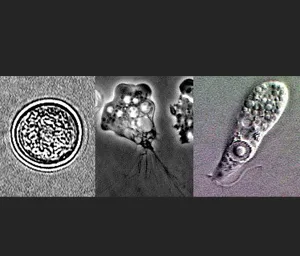
Naegleria fowleri is from the phylum Percolozoa; these organisms have somewhat flexibility in their opposed feeding; in that way, they are mutable. The amoeba has three stages in its life cycle, which will include the cyst stage, the trophozoite stage, and finally the flagellated stage. Trophozoite can be considered to be the most pathogenic stage in the life cycle of the parasite; digestion and absorption also take place at this stage, and bacteria and other tissues of humans are ingested by the amoeba.
In what ways does the organism Naegleria fowleri enter the human organism?
Specifically, the infection is mainly considered to enter through the nasal passages. When contaminated water gets directly to the human’s nasal passage, Naegleria fowleri has the ability to pass through the olfactory nerve to the brain, causing a deadly disease referred to as primary amebic meningoencephalitis (PAM). This infection impacts the brain, and others are unaware that this disease is typically progressive.
Infection ordinarily occurs in warm, fresh water activities such as swimming, diving, or water skiing. It also happens, especially when some people use tap water that has germs for nasal rinses or irrigations. Usually, it enters the brain by passing through the blood-brain barrier through the olfactory mucose in the nose, travels along the olfactory nerves through the openings of the brain, penetrates the brain through the nerves, attaches to the tissue, and begins to multiply and feed on the brain cells.
Symptoms of PAM
The common signs the patient will exhibit when infected with PAM begin to manifest after being exposed for 1–9 days. Early symptoms can resemble those of bacterial meningitis and include:
- Severe headache
- Fever
- Nausea and vomiting
- Stiff neck
As the infection progresses, symptoms become more severe and may include:
- Confusion
- Loss of balance
- Seizures
- Hallucinations
- Altered mental state
PAM is very virulonic and has fatal consequences in almost all cases, and the death of the patient occurs after 5 days of the manifestation of signs. These measures are crucial since there are often signs that indicate the infection’s early stages; special treatment is provided mainly because of its rapid development, which is rather an exception. It has been ascertained that the mortality rate of PAM stands above 97 percent; therefore, PAM can be rightfully regarded as one of the most severe threats to humanity.
Diagnosis and treatment
This type of PAM diagnosis is regarded as the final one; in this respect, it is important to analyze the cerebrospinal fluid (CSF) using a lumbar puncture test. The presence of Naegleria fowleri is sought when the patient is under a microscope with the doctors. MRI and CT scans are also employed in the evaluation of the degree of inflammation in the brain.
The management of PAM is challenging and sometimes futile. It commonly entails the use of antifungal and antimicrobial drugs. Miltefosine has been found to be somewhat effective in the treatment of PAM, especially when used together with other treatments such as hypothermia, which is used to cool the body to minimize brain swelling. Miltefosine, formerly designed to treat leishmaniasis, can be utilized in some PAM treatments, and the results are rather satisfying. However, for one reason or another, the illness progresses very quickly; even if the patient is rushed to the doctor, it is usually too late to save him.
Case Studies
In the past few years, there have been reports on several cases of Naegleria fowleri infections, and the prognosis of the disease is grave with the usual rapid progression. In mid-2013, a twelve-year-old girl from Arkansas got infected with the rare disease PAM after swimming in a lake.
The girl survived and became one of the few cases of treatment with miltefosine and therapeutic hypothermia. One such case of children being poisoned was reported in the year 2020 in Texas, where a young boy ingested contaminated water in a splash pad, leading to his death. These cases focus on the rationale for researching it and taking precautions or avoiding such events.
Prevention Tips
The main measure of prevention for this infection is to avoid those activities that can result in water entering the nasal passages. To lessen the risk here are some useful suggestions.
1. Avoid Warm Freshwater: Does not swim or jump in the water which is warm and from the sources like rivers or any other fresh water source especially when the climate is hot or when there is presence of amoeba in the area.
2. Use Nose Clips: However, in the case you are swimming in warm water and the water is in a fresh water source, ensure that you do not allow any water to enter into the nasal cavity through the nose by pinching it or blocking it.
3. Avoid stirring up Sediment: Do not stir up the lower portion of water bodies because this is where mainly Naegleria fowleri is often found.
4. Use Safe Water for Nasal Rinses: To this end, what one has to avoid is rinsing the nasal cavities with tap water. If one wants to use the neti pots or any other instruments for the nasal rinse, then it must be pointed out that distilled water or water boiled and cooled or filtered is okay.
5. Be Informed: Make a point to be informed with any local health hazard or alerts on any cases of Naegleria fowleri infection.
Public health and awareness
As for the prevention of Naegleria fowleri, public health officers are of great significance when it comes to testing the quality of water and releasing advisories regarding it. Educating the public is also recommended by conducting an awareness campaign to ensure that people change their behavior and avoid activities that lead to the occurrence of the disease.
In addition, water treatment facilities contribute a lot to the reduction of Naegleria fowleri infection. One way of minimizing contact with water-borne germs is to practice proper treatment of water and check for pollutants. It is crucial that communities that drink and engage in recreational activities using such water have heightened awareness of the hazards posed as well as launch a public awareness campaign.
Myths and facts
There are many misconceptions about Naegleria fowleri that need to be addressed:
1. Myth: It is rather important to mention that Naegleria fowleri infection is not as rare as people can think of.
Fact: While it is transmitted through an amoebic parasite often found in warm freshwater, people contract this disease most often. This disease is more or less an uncommon one, and individuals are reported to be contracting it in one or two cases each year in the United States of America.
2. Myth: Naegleria fowleri is acquired by taking water containing the organism.
Fact: The said disease can only be contacted through the nasal system for the parasite to move in and create the disease.
3. Myth: In regard to the activities that people engage in that involve water, it is important to understand that all the activities that take place in freshwater are risky.
Fact: The risk is mostly associated with warm freshwater and activities that involve plunging the head into water and causing water to go up the nostrils. Therefore, exercising in clean water, like swimming pools or sea water, is relatively safe.
The Future of Naegleria Fowleri Research
Other related research is underway with the intention of obtaining sufficient information about Naegleria fowleri and related treatments. Research scholars state that in order to identify the targets of the drug, one must analyze efforts to come up with efficient diagnostic tools to help in the diagnosis of PAM and its differentiation from other related disorders, to prevent delays and enhance the efficiency of its treatment of the molecular pathways of the amoeba.
In this regard, therefore, enhancing increased awareness creation through public health programs is a very critical intervention in preventing Naegleria fowleri infection. Hence, the promotion of education and awareness enables individuals to avoid or at least have an idea of the risks as well as protective measures.
Conclusion
Despite the threat that is associated with a brain-eating amoeba, which sounds very scary, the chances of actually contracting the disease are still very slim. With this organism and such preventive measures, your risk of getting infected by Naegleria fowleri is easily minimized. Informed people are safe people; keep yourself updated and have a rather worry-free time swimming.
Hence, prevention, further investigations, and growing awareness are critical components in the fight against Naegleria fowleri. Together, we can prevent PAM and save ourselves and societies from this very rare but deadly disease.


.webp "From AI Tools to Workflow Transformation in Healthcare")