The Role of Electrical Cardioversion in Treating Heart Arrhythmias

Kate Williamson
Editorial Team, Asian Hospital & Healthcare Management
Electrical cardioversion is a medical related technique, which in the management of selected heart rhythms, which tend to be arrhythmias such as atrial fibrillation and atrial flutter. It helps in helping the heart to beat back to normalcy through administration of an electrical impulse. It is safe, which is less invasive and provides a relatively rapid relief of symptoms with a highly significant impact on the quality of a patient’s life, although certain dangers are involved.
Introduction:
Atrial dysrhythmias therefore refers to all forms of pace that is irregular in which the heart beats otherwise known as heart arrhythmias. These disorder more often than not intensifies and lead to: Tachycardia is an abnormally fast heart rate while bradycardia is an abnormally slow heart rate on the other hand refers to irregular heartbeat.
Abnormal heart rhythm may have many potential origins, primary of which is heart disease, but also including stress or consumption of excessive amounts of caffeine. There are even some arrhythmias that are not fatal but they can cause a patient some discomfort and thus would only need a little intervention while others may be fatal and one has to seek for medical help immediately. Another approach to the management of some of the specific types of arrhythmias is electrical cardioversion, whereby normal flow of blood in the chambers is facilitated by the use of electricity in form of controlled electrical shocks.
Understanding Heart Arrhythmias
And that is why when learning about electrical cardioversion one must take into consideration that there are various forms of arrhythmias that one is able to get in the heart. It also provides electricity throughout the heart so as to regulate the rate of beating in order for the heart to deliver its proper function of pumping blood on the body. This system comprises of sinoatrial node that controls the pulse, atrioventricular node as well as the network of pathways that pass signals to the muscular walls of the heart in order to contract.
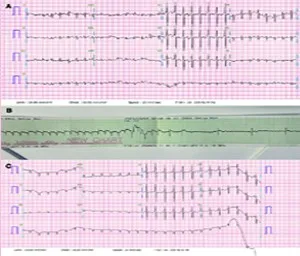
It is only when the electrical signals are abnormal in a way or the other that a person gets sick and develop arrhythmias. Common types of arrhythmias include:
Atrial Fibrillation (AFib): Some of these are atrial fibrillations or AFib, involving the atria, the upper chambers of the heart, which beat irregularly and athletically, that is, out of rhythm and beyond the control of the ventricles, the lower chambers of the heart. This may result in clipped blood flow hence increasing their likelihood of a stroke or heart failure.
Atrial Flutter: Similar to the case with AFib, atrial flutter will also result to a fast and steady rate of the heart but this will happen in a rather more coordinated way.
It can also have consequences which are adverse if not well managed.
Ventricular Tachycardia (VT): This condition is the one observed when ventricles contract at a high rate that may result into ventricular fibrillation, a situation that is lethal as it results into reduced pumping of blood by the heart.
Ventricular Fibrillation (VFib): VFib is one of the dangerous states at which instead of beating, the ventricles of the heart fibrillate; this is lethal if not treated.
What is Electrical Cardioversion?
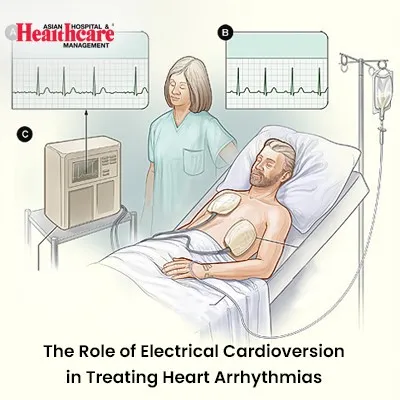
Electrical cardioversion on the other hand is a medical procedure that involves the actual use of electrical energy to back particular types of irregular heartbeats including the AFib and atrial flutter. It is done through passing controlled electric shock through the heart electrodes on the chest. The shock interrupt the normal electrical pathways of the heart briefly for the normal electrical activity in the organ to take over.
Cardioversion can be classified into two types: according to the mode of delivery, there are two major types of cardioversion namely electrical cardioversion and chemical or pharmacological cardioversion. While chemical cardioversion adopts the use of API which is basically antiarrhythmic medications to restore the normal heart rhythm, electrical cardioversion directly employ use electric energy and can be a lot effective at times.
How Electrical Cardioversion Works?
In electrical cardioversion, the patient is normally under the influence of some medication that would qualify him/her for anaesthesia, to reduce on discomfort and anxiety that the patient may experience. Paddles or patches which are electrodes are applied on the chest and occasionally on the back deliver the shock. The procedure takes place in a sterile setting especially when it is in a hospital or clinic so as to check the pulse of the patient and other vital tests.
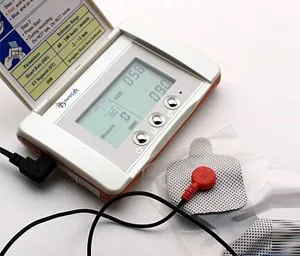
The electrical shock that is given during the cardioversion process causes the cells of the heart to depolarise at the same time effectively rewiring the heart. During this event the sinoatrial (SA) node or the heart’s natural electrical center regains the control and corrects the rhythm. The shock administered in cardioversion is in harmony to the patients pulse since applying shock at the wrong time can lead to a risky condition known as ventricular fibrillation.
When is Electrical Cardioversion Recommended?
Electrical cardioversion is suitable for several situations, including situations where the patient has a lot of symptoms due to the arrhythmia or where the arrhythmia may hitherto bring about serious complications. Some common indications for electrical cardioversion include:
Symptomatic Atrial Fibrillation: This procedure is particularly suitable for those AFib patients with manifestations including palpitations, shortness of breath, dizziness or chest discomforts. These symptoms can in turn be reduced and quality of life of the patient enhanced through returning to normal rhythm.
Atrial Flutter: Like AFib, atrial flutter could produce symptoms and also put one at risk for a stroke. Electrical cardioversion can be used to treat many of the caused when abnormally fast rhythms occur.
Uncontrolled Ventricular Tachycardia: In some cases, VT can be treated with electricity, especially when the condition is chronic and results in low blood pressure, chest pains or fainting spells.
Recent Onset of Arrhythmia: Electrical cardioversion is usually most effective in cases that have been performed shortly after the onset of an arrhythmia, particularly in a case AFib, that has developed within the first 2 days.
Preventive Measures before Procedures: At times, it is done before a planned procedure like catheter ablation because doing so increases the likelihood of success.
Benefits of Electrical Cardioversion
Electrical cardioversion offers several benefits in treating arrhythmias:
Rapid Restoration of Normal Rhythm: Electrical cardioversion is also fast and efficient and only a single electrical shock could bring the heart back to its normal rhythm. This immediate effect is very helpful for patients that endure serious clinical manifestations.
Minimally Invasive: Unlike surgical processes, electrical cardioversion is not invasive and does not involve cuts and the patients need not spend a lot of time in recovery. The vast majority is often able to get back to their normal daily routines within a day or two at the very most.
High Success Rate: Electrical cardioversion is relatively effective and can yield up to 70-80% success rate especially when the condition is relatively new or if the patient has atrial flutter. Most of the patients end up and sustain sinus rhythm in the long run.
Improvement in Quality of Life: Normally, the rhythm returns to normal and the symptoms decrease, which makes different aspects of life improved for people with arrhythmia.
Risks and Considerations
Nonetheless, electrical cardioversion is generally safe; however, like any other medical intervention, it is not without risks that have to be weighed and talked over with a doctor. Potential risks include:
Blood Clots and Stroke: The major concern that goes hand in hand with cardioversion is that blood clots formed in the heart may move to the brain leading to stroke. However, this risk is higher in the patient’s with AFib.
In order to control this risk the patient is given anti-coagulants (blood thinners) before the procedure and sometimes thereafter.
Skin Burns: The electrical shock which is exercised in this experiment may lead to mild burning or erythema at the site of the ‘electrodes’ and this normally lasts for a very short time.
Arrhythmia Recurrence: Perhaps, Cardioversion does have an ability to bring back a normal rhythm, but the probability exists for the appearance or worsening of arrhythmia. Diet and other life style modifications, as well as the use of drugs may be needed to maintain sinus rhythms in the future.
Heart Damage: In general, it is still possible to experience damage to the heart muscle or worsening of heart failure but this is quite uncommon, especially in patients with previous heart diseases.
Sedation Risks: Sedation is not without effects and has side effects such as allergies, respiratory complications or issues in patients with other underlying medical conditions. However, these risks are not very high and patients are always observed by the medical practitioner during the above procedure.
Post-Procedure Care and Long-Term Management
Upon electrical cardioversion, patients are usually closely observed for a short duration so as to ensure the heart does not revert to its abnormal rhythm or their is no signs of other complications. Some patients may experience slightly discomforts including chest pain or fatigue which is however manageable.
Antiarrhythmic medications, along with anticoagulants are prescribed by doctors to manage and minimize the chance of arrhythmia recurrence. Long-term management may also involve lifestyle modifications, such as:
Diet and Exercise: If you try to stick to your diet and keep heart health in mind while also making an effort to exercise regularly, your chances of developing arrhythmia as well as other heart problems will diminish significantly.
Avoiding Triggers: Caffeine stimulating substances, alcohol and tobacco are among the cause of arrhythmias each time they are consumed. Such triggers must be either avoided or limited so that the patients’ condition do not worsen.
Managing Stress: The occurrence of arrhythmias can be caused by stress or anxiety. Some practices that are useful to reduce stress include meditation, yoga and deep breathing for example.
Regular Follow-Up: Any person after receiving the feeling of palpitations should seek the attention of the healthcare provider in order to check his or her heart rate as well as the treatment plan.
Conclusion
Electrical cardioversion is an effective remedy for treatment of various heart arrhythmias mainly atrial fibrillation and atrial flutter.
This is done by applying a carefully measured electric shock to the heart; it enables the doctor for treatment to balance heart rhythm and also reduces symptoms that affect patient’s quality of life. The procedure, in its overall, is very safe and the rate of success is high, however, it should be also noted that there are always certain risks associated with any surgical procedures, and the patient should discuss it with the healthcare provider in details and develop the comprehensive treatment plan and the ways of how to manage it in the long term. When done correctly and followed up, electrical cardioversion remains one of the best weapons in combating heart arrhythmia menace.