The Role of Virtual Reality Therapy in Anxiety and Depression
.webp)
Kate Williamson
Editorial Team, Asian Hospital & Healthcare Management
Virtual Reality Therapy (VRT) is evolving as a ground-breaking tool in mental health care, offering immersive experiences that aid in treating anxiety and depression. By simulating real-life scenarios, VRT enables controlled exposure, enhances patient engagement, and provides accessible, personalized treatment. Despite challenges like cost and limited human interaction, VRT shows significant promise for future mental health interventions.
Introduction:
Mental health has become a critical feature of health care delivery and depressive disorders, anxiety among other are amongst the most prevalent in the current society. Albeit, simple approaches like counseling and prescription drugs have been used in managing these disorders, there has been increased development of other creative approaches. One of these is Virtual Reality Therapy (VRT). These effects are beneficial for anxiety and depression and cannot be replaced by more ordinary types of therapy. This article describes what VRT is, what promising outcomes are derived from it, the problems that researchers encounter, and the ways in which VRT revolutionizes opportunities in mental health care.
Understanding Virtual Reality Therapy
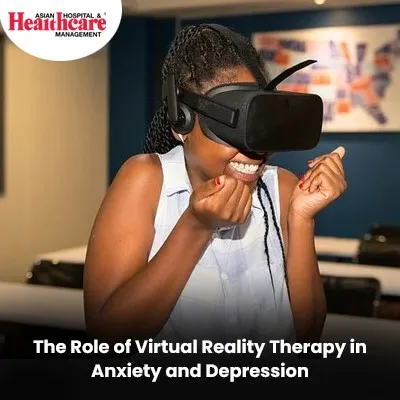
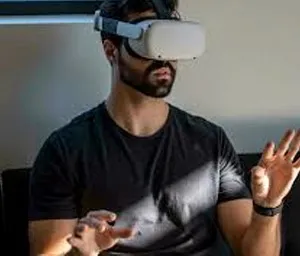
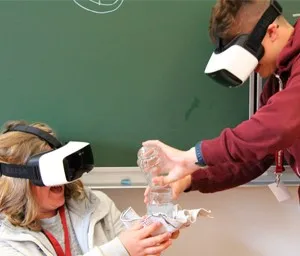
Virtual Reality Therapy (VRT) is an approach that employs headsets, realistic visual displays, sometimes sound and/or movement — all coming through some sort of computer. These environments are realistic involving users perceiving different environments and one can be able to “get into” the environment. Now, when it comes to therapy, applied VR can design scenarios that entail overcoming mental health problems in a patient.
In traditional therapy, as in cognitive behavioral therapy, people express their emotion or share an event, using their fancy to envision stress inducing situations or setting. VR takes this process a step further by immersing the users in a realistic scenario of these situations, though not real, it provides a patient-safe environment in which to rehearse coping strategies or deal with their phobias.
How Virtual Reality Therapy Works
In VRT, patients put on a VR headset that places the patient in a virtual environment. This might mean for a person with anxiety it becomes transitioning into a serene nature environment or to an environment where one needs to encounter anxiety provoking stimuli safely. With depression, it might mean activities that promote positive events or people in the lives of a patient.
One of the possibilities of using virtual reality is that therapists can guide the patient through a certain way of exposure therapy. For instance, in a case of social anxiety disorder the patient experience fear of public speaking. In the case of VRT, the therapist himself can become an artificial crowd where the patient can rehearse his speaking before a large audience without any prospect of getting a real life punishment for a mistake. This way and by gradually increasing the intensity of actions, the patient gradually gains confidence.
Benefits of Virtual Reality Therapy for Anxiety and Depression
1. Controlled Exposure
One of strengths of VR is use of exposure to the situations that are feared, which is part of anxiety therapy. This is made possible by the fact that the environment is virtual hence patients can confront the situations with no risk of harm or criticism. They can perform various coping skills with relative impunity and build confidence in overcoming those fears.
2. Personalized Experiences
There can be no doubt that the greatest strength of VRT, however, is flexibility. In the case of the VR environment, it is possible to adapt to the individual features of each user. For instance, if the patient has a phobia of flying- they can take the feeling of being in a plane- or a patient suffering from agoraphobia- will take the patient to a park via simulation. Personalization helps to make the therapy more suitable and interesting for the patient.
3. Increased Engagement
A large number of people prefer VR than other forms of therapy, they feel it is more interactive. Since VRT is very engaging, it draws a person’s attention fully and engages him or her actively to therapy. Since patients suffering from depression have issues with focus, using the VR environment can greatly affect the amount of therapy they will receive.
4. Improved Emotional Response
Since VR is highly realistic, it elicits strong emotional responses, similar to real-life situations. This makes it easier for therapists to address and guide patients through their emotions in real time. In the context of depression, patients may encounter scenarios that encourage them to identify positive feelings, which can be especially helpful for those who struggle to find motivation.
5. Better Accessibility
VRT can be conducted over the internet which is advantageous because it can be delivered to anyone who cannot attend face to face sessions because of distance, disability or agoraphobia. VR can be also practiced at home allowing patient to perform exercises between clinic/therapeutic sessions which might be helpful for the patient who needs constant reinforcement of the coping skills.
How Virtual Reality Therapy is used for Anxiety
Considering the basic application of VRT in anxiety treatment, it is used for exposure therapy, the way that can prepare people for overcoming their anxieties. This concept means that a therapist can develop several situations that are hard or even impossible to stage in real life using VR.
For example:
- Social Anxiety: patients with social anxiety disorder can rehearse making speeches before an e-audience or speak to a single person in a mock environment. This causes them to be gradually exposed to the environment that will enable them develop skill and confidence set needed for the actual practice.
- Phobias: Freedom from actual real-life dangers is the other aspect where people can be placed in instance to confront specific phobia for example fear of heights, fear of flying and claustrophobia without any real life association. They can take time to do them hence easing their anxiety most of the time.
Virtual Reality Therapy and Depression
When applied to depression, VRT is practiced in manners that promote positive things, and disrupt negativity. This seriously affects the physical and mental wellbeing of a patient by leading them to isolate themselves, and lose interest or enthusiasm in hobbies that used to make them happy.
- Engaging in Positive Environments: Patients are able to relax or become inspired by walking on a beach, sites in a forest or in any virtual environment that they find difficult to be able to get to in real life. The above experienced can lower loneness and enhance positivity, albeit for a timely basis.
- Cognitive Behavioral Therapy (CBT) Simulations: In VRT, the therapists can also take the patients through virtual situations where one can apply certain CBT skills for instance is identifying and responding to negative thoughts. This makes it easier for people to consciously help change their way of thinking.
Case Studies and Success Stories
There has been a number of studies done on the effectiveness of VRT in anxiety and depression. For example, it has been observed that virtual environments give similar outcomes like real-life exposure therapy for practicing specific phobia – acrophobia or arachnophobia. Some of the subject have reported to the researcher that, they preferred VR sessions more than the talk therapy when handling real life situations.
A similar study also revealed that while using VRT in combination to the standard CBT in individuals with social anxiety, the feeling of comfort during virtual social interactions enable subjects of the study to be comfortable in real similar situations. Collectively, this hybrid approach shows that there exists a capacity to integrate the conventional approach with the advanced use of technology.
Limitations and Challenges of Virtual Reality Therapy
While VRT has proven to be helpful, it’s not without limitations:
- Cost and Accessibility: Also, some of the VR headsets and the software needed to perform VRT may prove costly, this makes VRT inaccessible in some cases. Of course, today this technology is not available to all clinics that provide therapy services.
- Motion Sickness and Discomfort: A VR headset may cause some users to feel dizzy or vomit. This side effect is called the VR motion sickness and it negatively influences the outcomes of the therapy.
- Limited Human Interaction: At times, the virtual environment may make the patients feel aloof, in a way that they would lost the touch of getting comforted by a fellow human being. Perhaps, having a combination of VRT with face-to-face sessions would be another way of transition between the two.
- Potential Overreliance: Perhaps some individuals may get too invested in the VR environment, this is because they may stop being ready to face real-life situation without the help of VR. Therapists should atleast observe this dependency and help patients use such skills in real life situations.
The Future of Virtual Reality Therapy
The future of VRT also seems bright and stable because with the advancement in technology the use of virtual reality is likely to experience further growth. When VR headset costs decrease and software is accessible, then VRT can become widespread intervention in mental clinics and even at home. They expect the development of more sophisticated VRTs, with more realistic environments as well as providing therapist with even more ideas in treating certain disorders.
Besides anxiety and depression, latest studies on VR therapy are done on PTSD, substance abuse, and many other disorders. The long term impact of this field is definitely that through further research and development it may change the face of the mental health field as it currently provides flexibility as well as personalized treatments that are effective in its administration.
Conclusion
Virtual Reality Therapy is revolutionizing the way anxiety and depression have been treated through exposure to the patient’s fear and or emotions. These advantages indicate that VRT itself can make therapy more effective, enjoyable, and appropriate for any patient. However, it does have its limitations and drawbacks. Still, the advantages of using social media are clear, and remind professionals of the possibility of it becoming an indispensable instrument in treating patients with mental health disorders.
The integration of VRT to traditional therapy can be immensely benefits patients and empower them towards treatment outcomes. Future development technologies will also truly make virtual reality therapy a valuable resource for treating anxiety, depression, and other mental disorders in millions of people around the world.