What Are the Risks of Arthroplasty and Advanced Orthopedic Surgery?
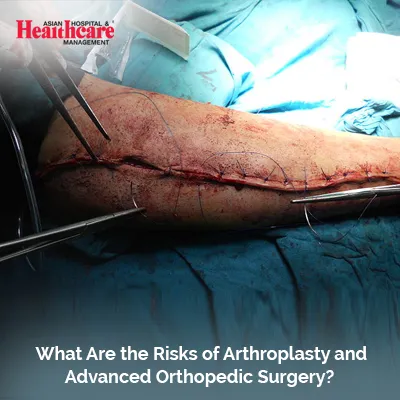
Arthroplasty and orthopedic surgery offer significant benefits but entail risks. Potential complications include infection, anesthesia-related issues, surgery complications, and rehabilitation challenges. Factors like age, obesity, and smoking can increase risks. Proper patient selection and postoperative care are vital. Long-term risks, mental health considerations, and financial implications should be acknowledged. Patient education and shared decision-making ensure informed choices. Overall, these procedures require careful consideration for lasting well-being.
Introduction:
Are you considering arthroplasty or orthopedic surgery? While these procedures can greatly improve your quality of life, it's important to be aware of the potential risks involved. In this article, we will explore the risks associated with arthroplasty and orthopedic surgery, providing you with the information you need to make an informed decision.
Understanding arthroplasty and orthopedic surgery
Arthroplasty, also known as joint replacement surgery, is an increasingly common procedure used to relieve pain and restore function in joints affected by arthritis or injury. It involves removing the damaged joint and replacing it with a prosthetic implant. While the benefits of arthroplasty are undeniable, some risks should be considered.
Orthopedic surgery, on the other hand, encompasses a wide range of procedures to treat musculoskeletal conditions. From repairing fractures to correcting deformities, orthopedic surgery aims to improve the overall function and stability of the musculoskeletal system. However, like any surgical procedure, it carries its own set of risks.
Common risks associated with arthroplasty and orthopedic surgery
Infection risks and prevention measures
One of the primary risks associated with arthroplasty and orthopedic surgery is the potential for infection. Surgical site infections can occur when bacteria enter the incision site, leading to pain, swelling, and potentially serious complications. To minimize the risk of infection, surgeons and healthcare providers follow strict protocols, including the use of sterile techniques, antibiotics, and proper wound care.
Risks related to anesthesia
Anesthesia is a crucial component of arthroplasty and orthopedic surgery, as it ensures that patients are comfortable and pain-free during the procedure. However, like any medication, anesthesia carries its own set of risks. These can include adverse reactions, such as allergic reactions or respiratory complications. Anesthesiologists are highly trained professionals who carefully monitor patients throughout the surgery to minimize these risks.
Potential complications during and after surgery
During arthroplasty and orthopedic surgery, there is always a risk of complications. These can include bleeding, nerve damage, blood vessel damage, and poor wound healing. Surgeons take precautions to minimize these risks, such as using specialized techniques and equipment to protect surrounding tissues and structures. However, it's important to understand that there is always a level of inherent risk involved in any surgical procedure.
Rehabilitation and recovery risks
The rehabilitation and recovery process following arthroplasty and orthopedic surgery also carries its own set of risks. Patients may experience pain, swelling, and limited mobility during the initial stages of recovery. There is also a risk of complications such as blood clots, stiffness, and muscle weakness. However, with the guidance of a skilled healthcare team and adherence to a comprehensive rehabilitation plan, these risks can be minimized.
Factors that can increase the risks of arthroplasty and orthopedic surgery
While arthroplasty and orthopedic surgery can be highly successful in treating musculoskeletal conditions, certain factors can increase the risks involved. These include:
Age: Advanced age can increase the risk of complications during and after surgery. Older adults may have underlying health conditions that can impact their ability to heal and recover.
Obesity: Excess weight puts additional stress on the joints and can increase the risk of complications during surgery. Losing weight before surgery can help minimize these risks.
Smoking: Smoking can impair the body's ability to heal and increase the risk of complications. Quitting smoking before surgery can significantly reduce these risks.
Minimizing risks through proper patient selection and preoperative evaluation
To minimize the risks associated with arthroplasty and orthopedic surgery, proper patient selection and preoperative evaluation are crucial. Healthcare providers carefully assess each patient's medical history, overall health, and individual risk factors. This helps ensure that the benefits of surgery outweigh the potential risks.
Postoperative care and monitoring for complications
After arthroplasty and orthopedic surgery, postoperative care is essential to monitor for complications and promote proper healing. This may include regular follow-up appointments, physical therapy, and ongoing pain management. Patients should also be vigilant for signs of infection or other complications and seek immediate medical attention if necessary.
Postoperative complications and long-term risks
While arthroplasty and orthopedic surgery aim to provide lasting relief and improved function, there are potential postoperative complications and long-term risks that patients should be aware of. Some individuals may experience issues such as implant loosening, wear and tear of the prosthetic joint, or allergic reactions to the materials used in the implants. These complications can lead to the need for revision surgery, which involves replacing or repairing the original implant. In addition to implant-related concerns, patients may face challenges with long-term joint function. While many individuals experience significant improvement in their mobility and quality of life after surgery, some may continue to have limitations or discomfort. Factors such as the patient's overall health, adherence to rehabilitation plans, and lifestyle choices can influence the long-term success of the surgery.
Mental health considerations
The emotional and psychological impact of arthroplasty and orthopedic surgery should not be overlooked. Some patients may experience post-surgical anxiety, depression, or frustration due to the challenges of recovery or adjustments to their daily activities. Healthcare providers need to address these mental health aspects and provide support through counseling or therapy if necessary.
Financial implications
Patients should also consider the financial aspects associated with arthroplasty and orthopedic surgery. These procedures can be costly, and insurance coverage may vary. Understanding the potential financial burden, including preoperative evaluations, surgery costs, postoperative care, and rehabilitation expenses, is crucial for informed decision-making.
Patient education and shared decision-making
To empower patients in the decision-making process, thorough education is essential. Healthcare providers should ensure that individuals considering arthroplasty or orthopedic surgery have a clear understanding of the procedure, potential risks, and expected outcomes. Shared decision-making, involving open communication between the patient and the healthcare team, allows for informed choices aligned with the patient's goals and preferences.
Conclusion
In conclusion, arthroplasty and orthopedic surgery present valuable opportunities for improved mobility, pain relief, and overall enhancement of quality of life. Nevertheless, individuals contemplating these procedures must navigate the intricate landscape of potential risks and considerations. Active engagement in the decision-making process, attention to mental health aspects, comprehension of long-term implications, and mindfulness of financial considerations are pivotal. By fostering open communication with healthcare providers at every stage, patients can contribute to a successful and satisfying outcome. As we move forward, let us prioritize our well-being by making informed choices, understanding the associated risks, and engaging in meaningful dialogue with healthcare professionals. Ultimately, the decision to undergo arthroplasty or orthopedic surgery should reflect a comprehensive understanding of individual health needs and a commitment to lasting well-being.
.webp)