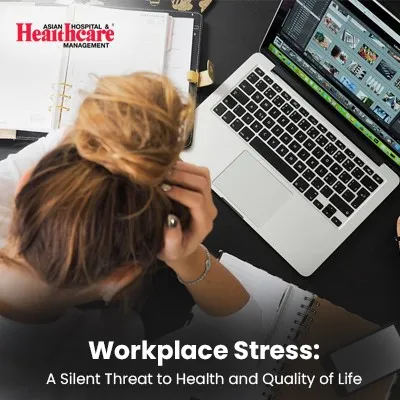
Workplace Stress: A Silent Threat to Health and Quality of Life

Kate Williamson
Editorial Team, Asian Hospital & Healthcare Management
Since stress originates from work overload, job insecurity, and poor working conditions, it undermines or significantly affects the health or well-being of the employees. This can result in medical problems including heart disease and exacerbations of mental illness, for instance, anxiety. Stress management methods are therefore essential for general health and good working conditions.
Introduction:
Bearing pressure at the workplace has become more rampant in today’s advanced working environment and the world over, and many working persons are being impacted. Whichever way it is—the pressure to meet deadlines, cumulative work, or even handling cases of conflict—stress at the workplace gradually and silently becomes a menace to the health of a worker, both physically and mentally. Too many people meet this problem every day without understanding how it affects one’s life and health.
What is workplace stress?
Occupational stress is defined as the physical and psychological demands and pressures associated with the workplace. These pressures can be work-related or can be stress arising from other aspects of life, including work pressure, people pressure, self-imposed pressure, unrealistic pressure, or pressure from an unsupportive and/or abusive environment. If these stressors are constant, then they begin to overload the whole system, and the energy levels of an individual may start to decline as frustration and burnout set in.
Causes of Workplace Stress
The causes of workplace stress vary from person to person, but some common factors include:
- High Workload: Since humans cannot manage a lot of tasks simultaneously within a particular period, it causes pressure on employees. It is exhausting to always be under pressure.
- Job Insecurity: More often than not, economic insecurity is one of the leading sources of anxiety and stress. This is especially true in cases where insecurity arises in the aspect of job loss, especially while practicing one’s trade in competitive organizations. Those who have an unfair notion that their job insecurity will make them anxious.
- Lack of Control: Workers frustrated and helpless could be those who do not have any say in the decisions that are made about them or concern them. Thus, this kind of powerlessness can lead to stress.
- Poor Work-Life Balance: Working hard or carrying work papers home can sometimes create a division between the two. If care is not taken to take breaks and get relaxation, then stress begins to build up.
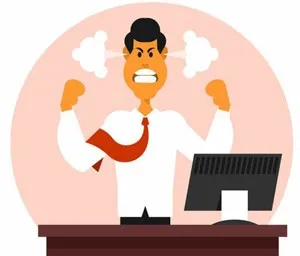
- Workplace Conflicts: It becomes aggravated when there is conflict with other workers or supervisors, as this forces one into having to deal with tension.

Effects on Health
Some of the physical and mental health negative impacts of stress are negative working outcomes that may last for an extended period. Stress activates the so-called stress response in the body, which means that cortisol stress hormones are released. Over time, these hormones can lead to several health problems, including:
- Heart Disease: Stress for an extended period increases blood pressure and can cause heart issues.
- Digestive Issues: Stress may cause stomach aches, nausea, and changes in the amount or desire to eat.
- Mental Health Issues: Job stress results in anxiety, depression, and insomnia. If not well managed, these conditions are likely to be compounded over time.
- Weakened Immune System: Prolonged pressure diminishes the immune system, thereby exposing individuals to diseases contracted.
Impact on Quality of Life
A study has established that workplace-related stress does not only manifest itself in the workplace but also other areas of the lives of the employees. Stressed individuals often have difficulties with rest, getting a good night’s sleep, or simply having a good time with loved ones. This can lead to:
- Poor Relationships: Stress deteriorates personal life, so there are alienations with spouse and children, and it is difficult to dedicate time to them fully.
- Decreased Job Satisfaction: If work becomes too much, workers get bored, and hence, the efficiency and motivation levels in organizations decrease.
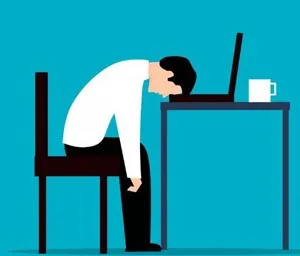
- Burnout: Causal stress normally results in burnout; a person who lacks the energy and willpower to continue facing responsibilities at work or in other areas of life.
Coping with Workplace Stress
While it’s impossible to eliminate all sources of stress, there are ways to manage it effectively:
- Time Management: Value management and work scheduling can go hand in hand, trying to minimize a sense of contingent overload. Most activities should be divided into many sub-activities that are easy to accomplish.
- Healthy Lifestyle: That means it’s important to jog, eat well, and ensure you get enough sleep to be able to handle stress. Exercise helps to release tension-reducing hormones and strengthens the mood and energy of an individual.
- Setting Boundaries: One must put tribulation on the working hours so that the person can have a balance between the personal and the working life. Relaxing and rejuvenation are extremely important for both mind and body.
- Communication: When a person informs his or her seniors or superiors about some problems or pressure sources, such as heavy working loads or conflict with other employees, then it is always easier to control those factors.
- Seek Support: If stress levels become unbearable in the workplace, such recommendations would be advisable to go see a counselor or a mental health professional and talk about how the stress can be dealt with.
Conclusion:
Job stress is one of the areas of worker’s health hazards that have received much attention in modern times. If not well-checked, it often results in physical and mental health disorders. However, by defining stress precursors and using the proper adaptation methods, people are protected from the effects of stress. Employers and employees should strive to create a work culture that allows little exposure to stress and much promotion of employee health.